
Does Perimenopause Cause Itching?

Medically reviewed by Alan Lucks | MD, Alan Lucks MDPC Private Practice - New York on April 16th, 2026.
Published on February 27th, 2026. Updated on September 11th, 2026.
Key takeaways
Up to 55% of women experience itchy skin during perimenopause due to declining estrogen levels
Itching can manifest as general pruritus, crawling sensations (formication), or tingling and numbness (paresthesia)
Stress, poor sleep, and allergen sensitivity can worsen menopausal itching
Simple lifestyle changes like proper hydration and gentle skincare often provide significant relief
Medical treatments, including hormone therapy and prescription topicals, are available for persistent symptoms
Doctronic.ai offers 24/7 access to doctors who can help evaluate and treat skin concerns
When Your Skin Starts Acting Differently
That persistent itch keeping you awake at night might not be dry winter air or a new laundry detergent. For women in their 40s and early 50s, unexplained itching often signals something deeper: perimenopause. Up to 55% of women in perimenopause and menopause experience itchy skin. This isn't a minor inconvenience. It disrupts sleep, affects mood, and can make women feel like strangers in their own bodies. The good news? Understanding why this happens opens the door to real solutions.
Understanding the Link Between Perimenopause and Itchy Skin
The Role of Declining Estrogen Levels
Estrogen does far more than regulate menstrual cycles. This hormone plays a critical role in skin health by stimulating oil production and maintaining the skin's protective barrier. As estrogen levels drop during perimenopause, the skin produces less sebum. Less sebum means drier skin. Drier skin means more itching. The connection is direct and well-documented.
Impact on Collagen and Skin Moisture
Collagen gives skin its plump, hydrated appearance. Estrogen helps the body produce collagen, so declining hormone levels lead to thinner, less elastic skin. Around half of perimenopausal and menopausal women experienced dry skin, with about 40% reporting itching. The skin loses its ability to retain moisture, creating that tight, itchy feeling that no amount of lotion seems to fix.
Commonly Affected Areas: Face, Limbs, and Torso
Itching doesn't strike randomly. The face, arms, legs, and torso are most commonly affected because these areas have thinner skin or more exposure to environmental factors. The scalp can also become itchy and flaky. Some women notice their elbows and knees feel rougher than ever before.
Types of Itching Sensations in Midlife
Pruritus: The General Itch
Pruritus is the medical term for general itching. During perimenopause, this often appears without any visible rash or skin changes. Women describe it as a constant, low-grade irritation that worsens at night. The absence of visible symptoms can make it frustrating to explain to others.
Formication: The Sensation of Crawling Skin
Some women experience formication: a disturbing sensation that insects are crawling on or under the skin. Nothing is actually there, but the feeling is very real. This symptom results from hormonal changes affecting nerve signals. It can be alarming, but knowing the cause often provides relief.
Paresthesia: Tingling and Numbness
Paresthesia involves tingling, pins-and-needles sensations, or numbness. These feelings commonly occur in the hands, feet, and face. The same hormonal shifts affecting skin health also impact nerve function, creating these unusual sensations.
 Secondary Triggers That Exacerbate Menopausal Itch
Stress and the Cortisol Connection
Stress makes everything worse, including itchy skin. When stressed, the body releases cortisol. High cortisol levels break down collagen and impair the skin's barrier function. Perimenopause is already stressful for many women, creating a cycle where stress worsens symptoms, and symptoms increase stress.
Sleep Deprivation and Skin Barrier Repair
The body repairs skin damage during deep sleep. Hot flashes and night sweats often disrupt sleep during perimenopause, reducing the time available for skin repair. Poor sleep also increases inflammation throughout the body, making itching more intense.
Increased Sensitivity to Allergens
Hormonal changes can alter immune function, making some women more reactive to substances they previously tolerated. Fragrances, certain fabrics, or skincare ingredients that never caused problems might suddenly trigger itching or irritation.
Lifestyle Adjustments and Home Remedies
Hydration and Dietary Supports
Drinking enough water supports skin hydration from the inside. While needs vary, aiming for about 2 liters daily supports hydration, especially in dry climates or during physical activity. Foods rich in omega-3 fatty acids, like salmon, walnuts, and flaxseed, help maintain the skin's lipid barrier. Reducing alcohol and caffeine can also help, as both are dehydrating.
Optimizing Your Skincare Routine
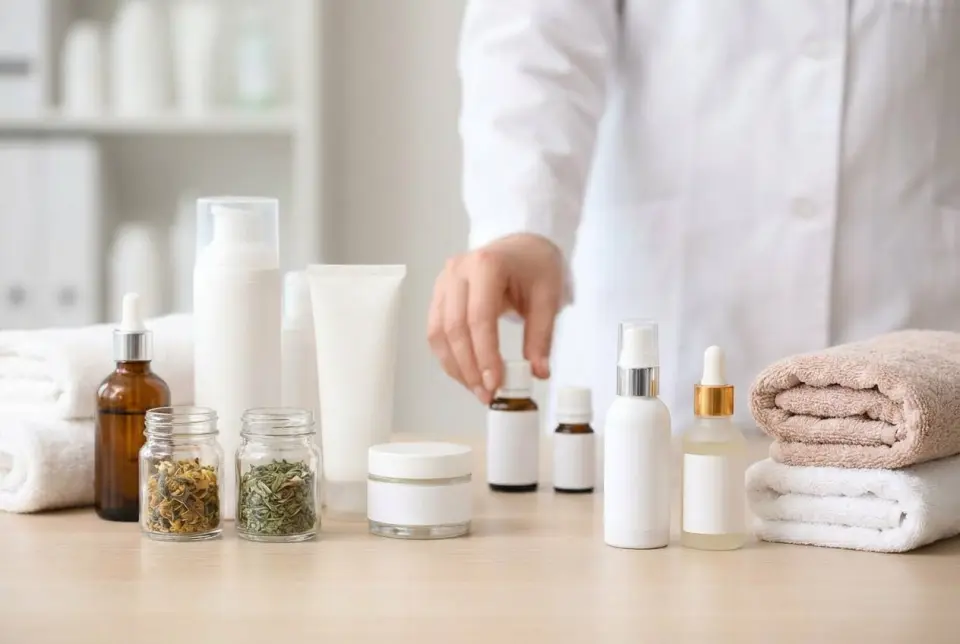
Switch to gentle, fragrance-free cleansers and moisturizers. Apply moisturizer immediately after bathing while skin is still damp. Look for products containing:
Hyaluronic acid for moisture retention
Ceramides to repair the skin barrier
Glycerin draws water into the skin
Colloidal oatmeal to soothe irritation
Avoid hot showers, which strip the skin of its natural oils. Lukewarm water is gentler.
Environmental Changes for Comfort
A humidifier adds moisture to indoor air, especially helpful during the winter months. Choose loose, breathable clothing made from natural fibers like cotton. Wash new clothes before wearing them to remove irritating chemicals. Keep bedroom temperatures cool to reduce nighttime itching.
Medical Treatments and Professional Guidance
Hormone Replacement Therapy (HRT)
HRT addresses the root cause of perimenopausal itching by replacing declining estrogen. Many women see significant improvement in skin symptoms within weeks of starting treatment. HRT suitability depends on individual risk factors such as cardiovascular health and cancer history, so discussing personal health history with a doctor is essential.
Topical Prescription Options
For localized itching, prescription-strength hydrocortisone creams can provide relief. Topical estrogen creams may help specific areas. Non-hormonal treatments such as calcineurin inhibitors can also be considered under medical supervision. Antihistamines can reduce itching, especially when allergic sensitivity is involved. Topical colloidal oatmeal may also decrease itching.
When to Consult a Dermatologist
Seek professional help if itching is severe, doesn't respond to home treatments, or comes with visible skin changes like rashes or sores. These could indicate conditions unrelated to perimenopause that need different treatment. Doctronic.ai provides convenient access to medical professionals who can evaluate symptoms and recommend appropriate next steps.
Frequently Asked Questions
Yes, this is actually common. Hormonal changes affect nerve signaling and skin hydration without necessarily causing visible changes. The itching is real, even when the skin looks normal.
Symptoms can persist throughout perimenopause and into menopause, which may span several years. Treatment and lifestyle changes can significantly reduce discomfort during this time.
Not necessarily. Itching is a normal response to declining estrogen levels. Persistent or severe itching should be evaluated by a doctor to rule out other causes.
Men experience a gradual testosterone decline that can affect skin health, though typically less dramatically than the estrogen changes women experience during perimenopause.
Many women find that symptoms stabilize after menopause, though skin may remain drier than it was before perimenopause. Continued attention to skincare and hydration remains important.
The Bottom Line
Perimenopause can cause itching in a significant portion of women due to declining estrogen levels affecting skin hydration and collagen production. Simple lifestyle changes combined with appropriate medical treatment can provide significant relief, and Doctronic.ai offers 24/7 telehealth visits for under $40 to help women get personalized guidance for managing these symptoms.
Related articles
Get advice about itching
Chat Now