
Heart Health
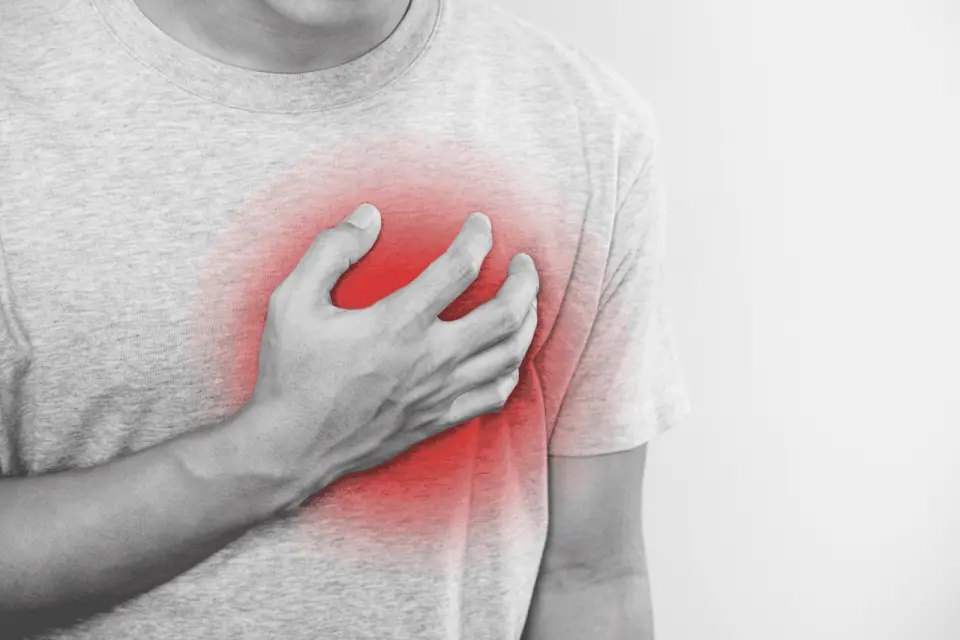
Chest Tightness or Pain? Could Be a Heart Attack, Here’s When to Act
August 18, 2025
9 min read

Medically reviewed by Alan Lucks | MD, Alan Lucks MDPC Private Practice - New York on April 22nd, 2026.
Published on March 17th, 2026. Updated on July 23rd, 2026.
Anxiety-related chest tightness often comes with rapid heartbeat, sweating, and feeling of impending doom
Heart-related chest tightness typically presents as crushing pressure with radiation to arms, jaw, or back
Lung-related chest tightness usually accompanies breathing difficulties, coughing, or wheezing
Location, duration, and accompanying symptoms help differentiate between the three main causes
Chest tightness can stem from multiple systems in your body, making it challenging to identify the root cause. This uncomfortable sensation affects millions of people and can range from benign anxiety-related episodes to life-threatening cardiac events. Understanding the distinct patterns helps you respond appropriately and avoid both unnecessary panic and dangerous delays in care.
The challenge lies in the overlapping symptoms between anxiety, heart, and lung conditions. While anxiety might mimic a heart attack, actual cardiac events require immediate attention. Similarly, respiratory issues can create similar sensations but need different treatment approaches. Doctronic's AI technology can help you navigate these concerns with 24/7 availability and 99.2% treatment plan alignment with board-certified physicians.
Chest tightness describes a sensation of pressure, squeezing, or constriction in the chest area. This symptom results from different physiological mechanisms depending on the underlying cause. The chest contains vital organs including the heart, lungs, and major blood vessels, along with muscles, nerves, and bones that can all contribute to tightness sensations.
Anxiety triggers your body's fight-or-flight response, releasing stress hormones that cause muscle tension and hyperventilation. This physiological reaction can create genuine physical symptoms, including chest muscle constriction and altered breathing patterns. The tightness often feels like a band wrapped around your chest or difficulty taking deep breaths.
Heart conditions reduce blood flow and oxygen delivery to tissues, creating pressure sensations and pain. When your heart muscle doesn't receive adequate oxygen or when blood flow becomes restricted, the resulting ischemia manifests as chest discomfort. Understanding the difference between panic attacks vs heart attack symptoms becomes crucial for appropriate response.
Lung problems affect breathing mechanics and oxygen exchange, leading to tightness and breathing difficulties. Conditions like asthma, pneumonia, or pulmonary embolism create inflammation, fluid accumulation, or blockages that interfere with normal respiratory function, producing chest tightness as a secondary symptom.
Recognizing emergency situations versus manageable conditions can be life-saving. Immediate medical attention is needed for crushing chest pain accompanied by radiation to the arms, jaw, neck, or back, especially when combined with nausea, sweating, or shortness of breath. These symptoms suggest possible Tightness Pain? requiring emergency evaluation.
Anxiety-related episodes often coincide with identifiable stressors or panic triggers. These situations typically develop during periods of high stress, following traumatic events, or in response to specific phobias. The tightness usually peaks within minutes and gradually subsides as anxiety levels decrease, often accompanied by emotional symptoms rather than physical deterioration.
Gradual onset lung-related tightness may indicate chronic conditions requiring medical evaluation but not necessarily emergency care. Conditions like asthma, chronic obstructive pulmonary disease, or respiratory infections develop over time and may worsen progressively. However, sudden severe breathing difficulties always warrant immediate attention.
Family history and personal risk factors influence the likelihood of serious underlying causes. Individuals with family histories of heart disease, personal risk factors like diabetes or high blood pressure, or previous cardiac events should maintain higher vigilance for cardiac-related chest tightness and seek evaluation more promptly.
See a doctor online today
A licensed doctor can review your symptoms online, talk through next steps, and send a prescription to your pharmacy if appropriate.
Anxiety chest tightness presents with rapid onset, often during or immediately following stressful situations. The sensation typically accompanies palpitations, sweating, trembling, and emotional symptoms like fear of losing control or dying. This type often responds to relaxation techniques and decreases as anxiety subsides, distinguishing it from emotional vs physical causes.
Cardiac chest tightness shows as substernal pressure that may worsen with physical exertion and improve with rest. The discomfort often feels like crushing weight or squeezing rather than sharp pain. It may radiate to the left arm, jaw, neck, or back, and can be accompanied by nausea, lightheadedness, and fatigue. This pattern suggests reduced blood flow to heart muscle.
Pulmonary chest tightness accompanies shortness of breath and may include productive cough, wheezing, or position-dependent breathing difficulties. Respiratory-related tightness often worsens when lying flat or with physical activity that increases oxygen demand. The tightness typically correlates directly with breathing patterns and may improve with bronchodilators if asthma-related.
Duration patterns differ significantly between causes. Anxiety episodes typically last minutes to an hour, cardiac symptoms may persist or come and go over hours, while lung symptoms often correlate with breathing patterns and environmental factors. Understanding these patterns helps differentiate between various causes and guide appropriate responses.
Anxiety symptoms include sweating, trembling, derealization, and intense fear of losing control or dying. The tightness often feels like inability to take satisfying deep breaths, accompanied by rapid heartbeat and hyperventilation. Anxiety-related episodes typically occur during stressful situations and respond to calming techniques or anxiety medications.
Heart-related symptoms feature nausea, lightheadedness, unusual fatigue, and specific pain radiation patterns. The discomfort may begin subtly and intensify, particularly with exertion. Unlike anxiety, cardiac symptoms don't typically improve with relaxation and may worsen progressively. Some individuals, especially women and diabetics, may experience atypical presentations without classic chest pain.
Lung symptoms encompass wheezing, chronic cough, sputum production, and position-dependent breathing changes. Chest Pain Isn't always cardiac in origin, as respiratory conditions frequently cause chest discomfort. Pulmonary causes often correlate with environmental triggers, infections, or known respiratory conditions.
Timing and triggers reveal important patterns that aid diagnosis. Anxiety tightness correlates with stressful situations, heart symptoms may worsen with exertion, and lung symptoms often respond to environmental factors like allergens, cold air, or specific positions. Recognizing these patterns helps distinguish between causes and guides appropriate treatment decisions.
Evaluation Method |
Advantages |
Limitations |
Best Used When |
|---|---|---|---|
Medical Evaluation |
Definitive diagnosis, advanced testing (EKG, chest X-ray), professional expertise |
Cost, time, may require multiple visits |
Severe symptoms, unclear patterns, high-risk patients |
Self-Assessment |
Immediate, cost-effective, tracks patterns over time |
Cannot rule out serious conditions, may miss subtle signs |
Mild symptoms, known triggers, symptom monitoring |
Telemedicine |
Professional guidance, convenient access, cost-effective |
Physical examination limitations, may require in-person follow-up |
Non-emergency concerns, symptom clarification, follow-up care |
Yes, anxiety can produce intense physical symptoms including chest tightness, palpitations, and shortness of breath that closely mimic cardiac events. The body's stress response creates real physiological changes, making the symptoms genuinely uncomfortable and frightening, even though they're not life-threatening like actual cardiac events.
Seek immediate emergency care for chest tightness accompanied by arm or jaw pain, severe shortness of breath, nausea, or sweating. For isolated chest tightness without alarming symptoms, evaluation within 24-48 hours is appropriate, especially if symptoms persist or worsen despite rest and anxiety management techniques.
Yes, electrocardiograms (EKGs), blood tests for cardiac enzymes, a CT scan of the coronary arteries, and stress tests can effectively rule out most heart conditions. Additional tests like echocardiograms or cardiac catheterization may be needed based on initial results and risk factors. These tests help distinguish cardiac from non-cardiac chest tightness.
Deep breathing exercises, progressive muscle relaxation, and mindfulness techniques often reduce anxiety-related chest tightness. Regular exercise, adequate sleep, and stress management also help prevent episodes. However, persistent or severe symptoms require professional evaluation to rule out other causes and develop appropriate treatment plans.
Yes, early respiratory conditions or mild lung cancer detection may cause chest tightness before obvious breathing problems develop. Conditions like early pneumonia, mild asthma, or pleural irritation can create chest discomfort as an initial symptom before respiratory distress becomes apparent.
Chest tightness from anxiety, heart, and lung causes each present distinct symptom patterns that help guide appropriate responses. Anxiety-related episodes typically accompany emotional triggers and respond to stress management, while cardiac causes often worsen with exertion and require immediate evaluation when combined with radiation pain or other alarming symptoms. Lung-related tightness usually correlates with breathing difficulties and environmental factors. Professional evaluation remains essential for accurate diagnosis, especially when symptoms are severe, persistent, or accompanied by concerning features. Understanding these differences helps you respond appropriately while avoiding both unnecessary panic and dangerous delays in care. Conditions like heart failure or congenital heart defects may require ongoing management, while anxiety-related episodes often improve with proper stress management techniques.
Ready to take control of your health? Get started with Doctronic today.
Compare your treatment options
Chat Now