
Cancer Screening Tests by Age: Complete Guide

Medically reviewed by Lauren Okafor | MD, The Frank H Netter MD School of Medicine, Loyola University Medical Center on April 23rd, 2026.
Published on March 25th, 2026. Updated on July 23rd, 2026.
Key takeaways
Colorectal cancer screening begins at age 45 for average-risk individuals, down from previous age 50 recommendations
Mammography screening starts at age 40-50 depending on risk factors and guidelines followed
Cervical cancer screening begins at age 21 regardless of sexual activity onset
Lung cancer screening is recommended for high-risk smokers aged 50-80 with 20+ pack-year history
Questions about cancer screening?
Free. Anonymous. Built by doctors.
Talk to our AI doctor for a clear, personalized read on your situation.
Cancer screening saves lives through early detection when treatment is most effective. Understanding which tests you need at different ages helps you stay proactive about your health. The timing of these screenings isn't arbitrary - it's based on decades of research showing when different cancers typically develop and when screening provides the greatest benefit.
As medical research evolves, screening recommendations continue to be refined. What matters most is having a clear roadmap for the screening tests you need throughout your life, from your twenties through your senior years. Doctronic can help you understand and navigate these recommendations, ensuring you stay current with the latest guidelines for your age and risk profile.
Understanding Cancer Screening by Age Groups
Cancer screening detects cancer before symptoms appear, when treatment is most effective and survival rates are highest. Different cancers develop at predictable age ranges, which is why screening schedules are carefully calibrated to each decade of life. For example, while cervical cancer can affect younger women, colorectal cancer risk increases dramatically after age 45.
Screening recommendations balance the benefits of early detection against potential harms like false positives, anxiety, and overdiagnosis. Age-based guidelines represent the sweet spot where benefits clearly outweigh risks for the average person. However, risk factors like family history, genetic mutations, lifestyle choices, and environmental exposures can modify these standard recommendations.
The goal is catching cancer at its earliest, most treatable stage. When breast cancer screening detects tumors before they can be felt, five-year survival rates exceed 90%. This dramatic difference in outcomes explains why following age-appropriate screening schedules is one of the most powerful tools in preventive medicine.
Cancer Screening Tests in Your 20s and 30s
Your twenties and thirties focus primarily on establishing healthy screening habits and addressing cancers that affect younger adults. Cervical cancer screening with Pap smears begins at age 21, continuing every three years through age 29, regardless of when you became sexually active.
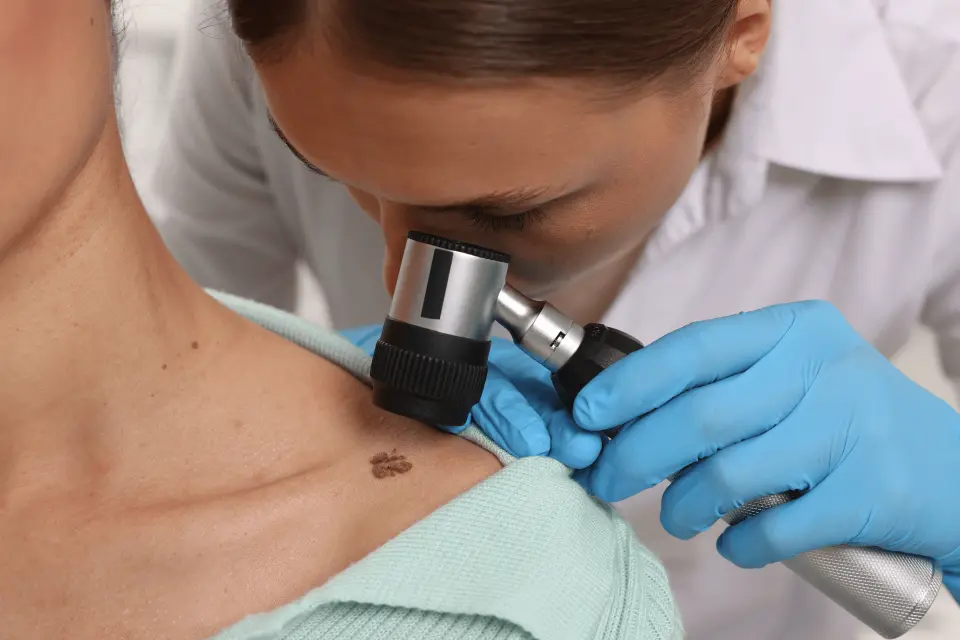
Regular skin cancer self-examinations become important during these decades, especially if you have fair skin, multiple moles, or a history of sunburns. Annual dermatology visits are recommended for high-risk individuals with family history or previous skin cancer diagnoses.
This is also the ideal time for genetic counseling if you have a strong family history of cancer. Genetic testing can identify hereditary cancer syndromes that require earlier or more intensive screening protocols. The lifestyle choices you make during these decades - regarding sun exposure, smoking, diet, and exercise - significantly impact your future cancer risk and screening needs.
Essential Cancer Screening Tests Ages 40-49
The forties represent a critical decade when multiple cancer screenings typically begin. Mammography screening starts between ages 40-50, with some guidelines recommending annual screening beginning at 40, while others suggest starting at 50. Your doctor can help determine the best approach based on your individual risk factors and preferences.
Colorectal cancer screening now begins at age 45 for average-risk individuals, reflecting recent changes in medical recommendations due to rising rates in younger adults. Options include colonoscopy every 10 years, annual fecal immunochemical tests (FIT), or newer alternatives like stool DNA tests every three years.
Starting at age 30, cervical cancer screening transitions to Pap testing combined with HPV testing every five years, which is more effective than Pap smears alone. For current or former heavy smokers, lung cancer screening evaluation begins at age 50, involving low-dose CT scans for those with a 20+ pack-year smoking history.
See a doctor online today
A licensed doctor can review your symptoms online, talk through next steps, and send a prescription to your pharmacy if appropriate.
- $39 video visit
- Insurance accepted
- 4.8 on Trustpilot
Screening Guidelines for Ages 50-65
The fifties through mid-sixties represent peak screening years when most cancer screening tests are actively recommended. Annual mammograms become the standard recommendation across all major medical guidelines, helping detect breast cancer when it's most treatable.
Colorectal cancer screening intensifies during this period, with colonoscopy every 10 years remaining the gold standard. However, annual FIT testing or other approved methods can be equally effective for those who prefer less invasive options. The key is choosing a method you'll actually follow consistently.
Lung cancer screening with low-dose CT scans continues for qualifying high-risk current or former smokers until age 80. This screening has dramatically reduced lung cancer deaths among high-risk individuals. Prostate cancer screening discussions typically begin for average-risk men around age 50, though this decision should always be individualized based on personal preferences and risk factors.
Cancer Screening After Age 65
Cancer screening recommendations after 65 become more individualized, focusing on life expectancy and overall health status rather than age alone. Mammography may continue indefinitely for women in good health, but the decision becomes more personalized based on other health conditions and personal preferences.
Cervical cancer screening often stops at age 65 for women with adequate prior screening and no high-risk factors. This reflects the lower cancer risk and potential harms of continued screening in this age group. However, women who haven't had regular screening may need to continue longer.
Colorectal cancer screening typically continues until age 75, with individualized decisions for those aged 76-85 based on health status, previous screening history, and personal preferences. Lung cancer screening stops at age 80 or when health conditions would limit the ability to undergo treatment if cancer were detected.
Comparing Age-Based and Risk-Based Screening Approaches
Factor |
Age-Based Screening |
Risk-Based Screening |
|---|---|---|
Starting Age |
Fixed ages based on population averages |
Earlier start for high-risk individuals |
Frequency |
Standard intervals for entire population |
More frequent screening for high-risk groups |
Personalization |
Limited individual customization |
Highly personalized based on risk factors |
Implementation |
Simple, clear guidelines for everyone |
Complex but more targeted approach |
Age-based screening uses population averages to set universal starting ages that provide maximum public health benefit. This approach ensures broad population coverage and clear, easy-to-follow guidelines. Risk-based screening considers family history, genetic mutations, and personal risk factors to determine when screening should start and how often it should occur.
High-risk individuals may need screening 5-10 years earlier than standard recommendations. For example, those with BRCA gene mutations might start mammography at age 25-30, while individuals with Lynch syndrome need colonoscopy beginning at age 20-25. Understanding whether you need standard age-based or personalized risk-based screening is crucial for optimal cancer prevention.
Frequently Asked Questions
Most insurance plans, including Medicare, cover recommended cancer screening tests at no cost when performed at guideline-recommended ages and intervals. The Affordable Care Act requires coverage of preventive services with an A or B rating from the U.S. Preventive Services Task Force, which includes most standard cancer screenings.
Accuracy varies by test type, but most screening tests detect 70-90% of cancers when performed regularly. Mammography detects about 87% of breast cancers, while colonoscopy finds over 95% of large polyps and early cancers. No test is perfect, which is why following recommended screening schedules is important.
It's never too late to start cancer screening, even if you've missed the recommended starting age. The benefits of screening don't disappear overnight. Contact your healthcare provider to discuss catching up on missed screenings and establishing a going-forward schedule that's appropriate for your current age and risk factors.
Many screening tests can be scheduled directly, but requirements vary by location and insurance. Mammograms often don't require referrals, while colonoscopies typically do. Check with your insurance provider and preferred screening facility about their specific requirements for scheduling appointments.
Create a personal screening calendar noting when each test is due, and set annual reminders. Many healthcare systems offer patient portals that track due dates automatically. Apps and online tools can also help manage screening schedules. Consider scheduling multiple screenings during annual physical exams when possible.
The Bottom Line
Following age-appropriate cancer screening guidelines dramatically improves your chances of catching cancer early when treatment is most effective. The screening landscape evolves from focused testing in your twenties and thirties to multiple screening modalities in your forties and beyond. While standard age-based recommendations work well for most people, those with elevated risk factors may benefit from earlier or more frequent screening. The key is understanding which tests you need at each stage of life and staying current with evolving guidelines. Regular screening, combined with healthy lifestyle choices, represents your best defense against cancer. Doctronic can help you navigate these complex screening recommendations, ensuring you get the right tests at the right time based on your individual age, risk factors, and health status.
Ready to take control of your health? Get started with Doctronic today.
Related articles
What Is a Dangerously High Platelet Count Level and What Does It Mean?
What Is a Dangerously Low Platelet Count Level and What Does It Mean?
What Is a Dangerously Low White Blood Cell Count Level and What Does It Mean?
New Sickle Cell Treatments 2026: Latest FDA Approvals and Breakthrough Therapies

Intradermal Nevus: When a Raised Mole Is Harmless and When to Monitor
Explore treatment options
Chat Now