
Bone & Joint Health
Plantar Fasciitis Treatment: A Runner's Guide to Getting Back on Your Feet
April 17, 2026
6 min read

Medically reviewed by Alan Lucks | MD, Alan Lucks MDPC Private Practice - New York on May 22nd, 2026.
Published on April 6th, 2026. Updated on July 23rd, 2026.
Complete plantar fasciitis healing typically takes weeks to months, not seven days, because fascia tissue repairs slowly due to limited blood flow.
Pain relief within one week may be achievable through consistent stretching, proper footwear, and anti-inflammatory protocols.
Night splints and therapeutic taping provide significant support during the critical first week of treatment.
Calf tightness directly contributes to plantar fascia strain, making targeted stretches essential for recovery.
Warning signs like persistent numbness or worsening pain after six to eight weeks indicate the need for professional evaluation.
Doctronic.ai offers 24/7 telehealth access for personalized guidance on foot pain management and recovery strategies.
That stabbing heel pain first thing in the morning has millions of people searching for fast solutions. Plantar fasciitis affects approximately 1% of the U.S. population annually, making it one of the most common causes of heel pain.
The question of whether plantar fasciitis can be cured in a week comes up constantly, and the honest answer requires understanding what healing actually means for this condition.
A realistic recovery plan starts with accepting that tissue repair and pain relief are two different things. Most people can achieve meaningful pain reduction within seven days using the right combination of stretches, support, and lifestyle changes. True healing of the plantar fascia, the thick band of tissue connecting the heel bone to the toes, takes considerably longer.
Fascia tissue heals more slowly than muscle because it receives less blood flow. The plantar fascia specifically undergoes repetitive stress with every step, making complete rest nearly impossible for most people.
Most mild cases show significant improvement within two to three weeks with consistent treatment. Moderate cases often require six to eight weeks. Severe or chronic cases can take six months or longer. These timelines assume proper treatment, so skipping steps or returning to high-impact activities too soon resets the clock.
Pain reduction happens faster than structural healing. Anti-inflammatory measures, stretching, and proper support can decrease discomfort within days. The underlying tissue damage, small tears in the fascia, requires cellular repair that cannot be rushed.
Feeling better does not mean the condition is cured. Many people make the mistake of stopping treatment once pain decreases, only to experience flare-ups weeks later.
The PEACE & LOVE protocol (Protect, Elevate, Avoid prolonged anti-inflammatory use, Compress, Educate, then Load, Optimism, Vascularization, Exercise) has largely replaced the traditional RICE method in updated sports medicine guidance. It emphasizes early movement and patient education alongside rest.
For acute plantar fasciitis pain:
Ice the heel for 15 to 20 minutes several times daily, especially after any activity.
Over-the-counter anti-inflammatory medications like ibuprofen may reduce inflammation when used as directed, but prolonged use should be avoided unless advised by a clinician.
Limit time on feet during the first week to give the fascia its best chance to begin healing.
Night splints hold the foot in a flexed position during sleep, preventing the fascia from tightening overnight. This tightening causes that characteristic morning pain.
Compression socks designed for plantar fasciitis provide consistent support and can reduce swelling throughout the day. Both tools work best when used consistently rather than occasionally.
Kinesiology tape applied correctly supports the arch and reduces strain on the plantar fascia during movement. The tape should run from the ball of the foot to the heel, creating a supportive web. Many physical therapists recommend taping for the first few weeks of recovery, particularly before any necessary walking or standing.
The towel stretch remains one of the most effective exercises for plantar fasciitis. Sit with legs extended, loop a towel around the ball of the foot, and gently pull toward the body while keeping the knee straight. Hold for 30 seconds and repeat three times.
Regular calf and plantar fascia stretches, especially first thing in the morning and after sitting, form the foundation of almost every successful treatment plan.
Tight calf muscles increase tension on the plantar fascia with every step. Wall stretches targeting both the gastrocnemius and soleus muscles address this connection:
Stand facing a wall with one foot forward and one back, keeping the back heel on the ground while leaning into the wall.
The Achilles tendon stretch, performed by dropping the heel off a step, provides additional relief.
Hold each stretch for 30 seconds and repeat three times on each side.
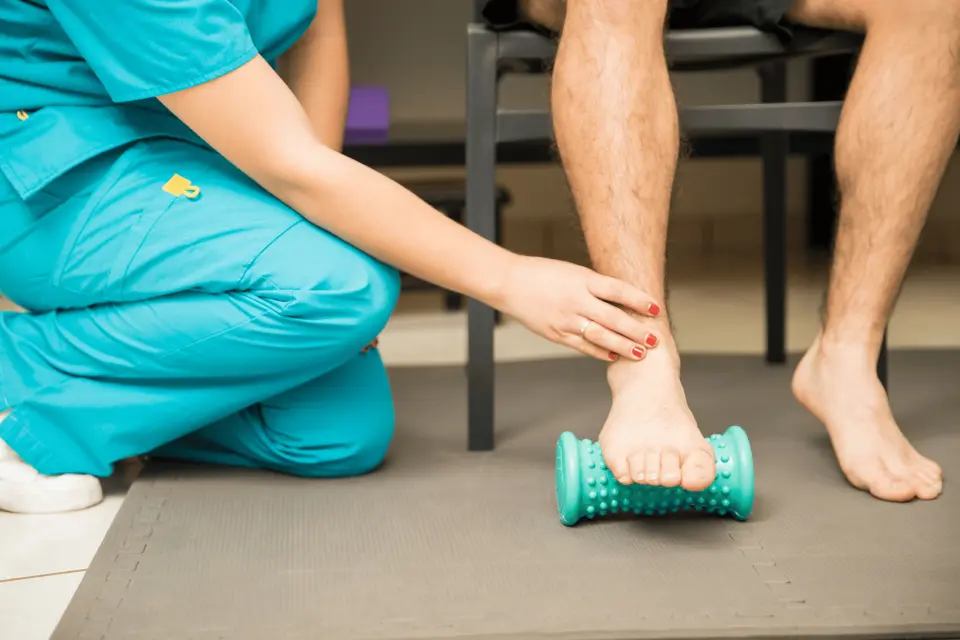
Rolling a frozen water bottle under the foot combines stretching with ice therapy. A tennis ball or a lacrosse ball rolling along the arch helps break up adhesions in the fascia.
These exercises should cause mild discomfort but never sharp pain. Any exercise that increases pain should be stopped immediately.
Get plantar fasciitis treatment online today
A licensed doctor can review your symptoms and send a prescription to your pharmacy, often the same day.
Related medications we prescribe
Shoes with proper arch support and cushioned heels make a significant difference in recovery speed. Flat shoes, flip-flops, and going barefoot on hard surfaces all stress the plantar fascia.
Supportive shoes should be worn from the moment of waking until bedtime during the recovery period. Many people benefit from over-the-counter orthotics or custom insoles that provide heel pain treatment support throughout the day.
Running, jumping, and prolonged standing must be reduced or eliminated during the first week. Swimming and cycling provide cardiovascular exercise without stressing the feet.
Returning to high-impact activities too quickly is the most common cause of prolonged plantar fasciitis. A gradual return over several weeks prevents re-injury.
Pain that persists beyond six to eight weeks of consistent home treatment warrants professional evaluation. Other signs that require medical attention include:
Numbness, tingling, or pain that spreads beyond the heel (suggesting possible nerve involvement)
Swelling, redness, or warmth in the heel area (could indicate infection or other conditions)
Pain that worsens despite following a consistent stretching and support protocol
Patients experiencing unexplained ankle pain alongside heel symptoms should seek evaluation to rule out related conditions. Doctronic.ai provides convenient access to medical professionals who can assess symptoms and recommend next steps.
Extracorporeal shockwave therapy uses sound waves to stimulate healing in chronic cases. Corticosteroid injections can provide significant relief but carry risks with repeated use.
Physical therapy offers personalized treatment plans and hands-on techniques. Patients interested in telehealth physical therapy can access guided exercise programs from home. Platelet-rich plasma and stem-cell-based biologic therapies represent newer options for stubborn cases, though evidence remains mixed and should be discussed with a licensed provider.
Preventing plantar fasciitis recurrence requires ongoing attention to foot health:
Daily stretching: Even after pain resolves, maintaining flexibility in the calf and fascia prevents future flare-ups.
Shoe replacement: Replace worn athletic shoes before they lose cushioning.
Weight management: Maintaining a healthy weight reduces stress on the feet with every step.
Foot strengthening: Toe curls, marble pickups, and towel scrunches target the intrinsic foot muscles that build long-term resilience.
Cross-training: Include low-impact activities to give feet regular breaks from repetitive stress.
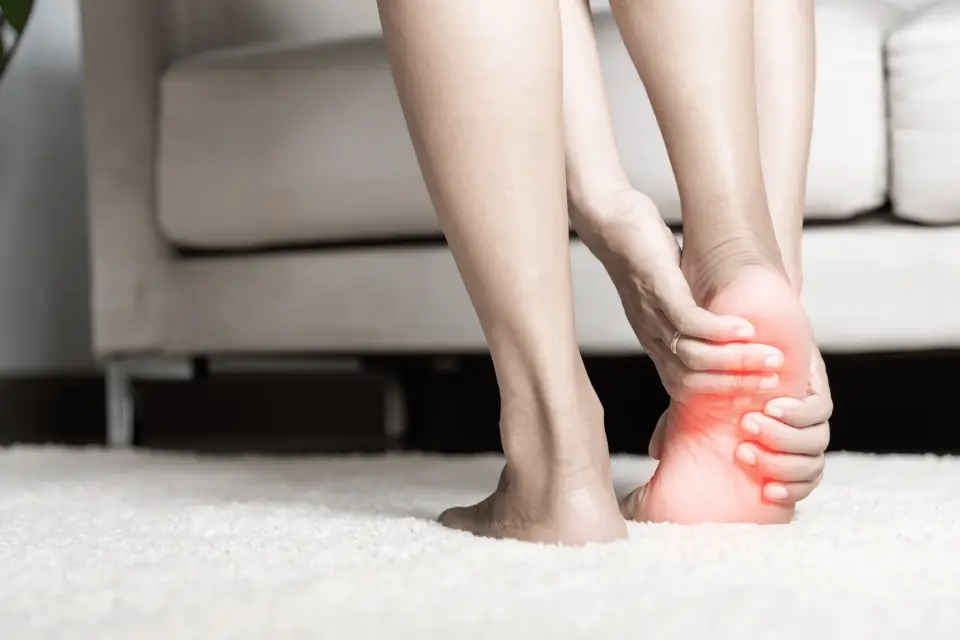
Most cases resolve within six to twelve months with proper treatment. Mild cases may improve in weeks, while severe cases can persist for over a year without appropriate intervention.
Excessive walking, especially in unsupportive shoes, can aggravate the condition. Short walks in supportive footwear are generally acceptable, but prolonged walking should be avoided during acute flare-ups.
Stretching should create a pulling sensation but never sharp pain. Mild discomfort is normal, but pain indicates the stretch is too aggressive and should be modified.
Professional evaluation is recommended if pain persists beyond six to eight weeks of home treatment, if numbness develops, or if the heel shows signs of infection like redness and warmth.
Curing plantar fasciitis in one week is unrealistic, but significant pain relief is achievable with consistent stretching, proper footwear, and anti-inflammatory measures. The key is recognizing that feeling better and being fully healed are not the same thing, and continuing treatment beyond the initial improvement prevents setbacks.
For personalized guidance on foot pain and recovery strategies, visit Doctronic.ai for 24/7 access to AI-powered medical advice and affordable telehealth consultations.
Get personalized health advice
Chat Now