
Bumps on Your Skin: What They Are and How to Get Rid of Them

Medically reviewed by Oghenefejiro Okifo | MD, Harvard Medical School | Henry Ford Hospital - Detroit, MI on April 26th, 2026.
Published on March 30th, 2026. Updated on April 30th, 2026.
Key takeaways
Skin bumps range from harmless conditions like keratosis pilaris to infections requiring medical treatment
Understanding the root cause of bumps helps determine the most effective treatment approach
Over-the-counter options including AHAs, BHAs, and retinoids work well for many common bump types
Professional procedures like cryotherapy and chemical peels address stubborn or recurring bumps
Consistent skincare habits prevent many bumps from forming in the first place
Not sure what those bumps are? Doctronic.ai offers 24/7 AI-powered consultations to help identify skin concerns before scheduling a dermatologist visit
Understanding Bumps on Your Skin
Those mysterious bumps that appear on your skin can cause real frustration. Some show up overnight, while others develop gradually over months. The good news: most skin bumps are completely harmless and treatable at home. Knowing how to get rid of bumps starts with understanding what type you are dealing with.
Skin changes often have simple explanations like friction, infection, or blocked oil glands. This guide covers the most common types of skin bumps, what causes them, and proven methods to eliminate them.
Identifying Common Types of Skin Bumps
Acne and Clogged Pores
Acne remains the most common skin condition affecting people of all ages. Whiteheads form when dead skin cells and oil become trapped beneath the skin's surface. Blackheads occur when this mixture reaches the surface and oxidizes, turning dark. Inflamed pimples and cystic acne develop when bacteria enter clogged pores, triggering an immune response. These bumps typically appear on the face, chest, shoulders, and back where oil glands concentrate.
Keratosis Pilaris (Chicken Skin)
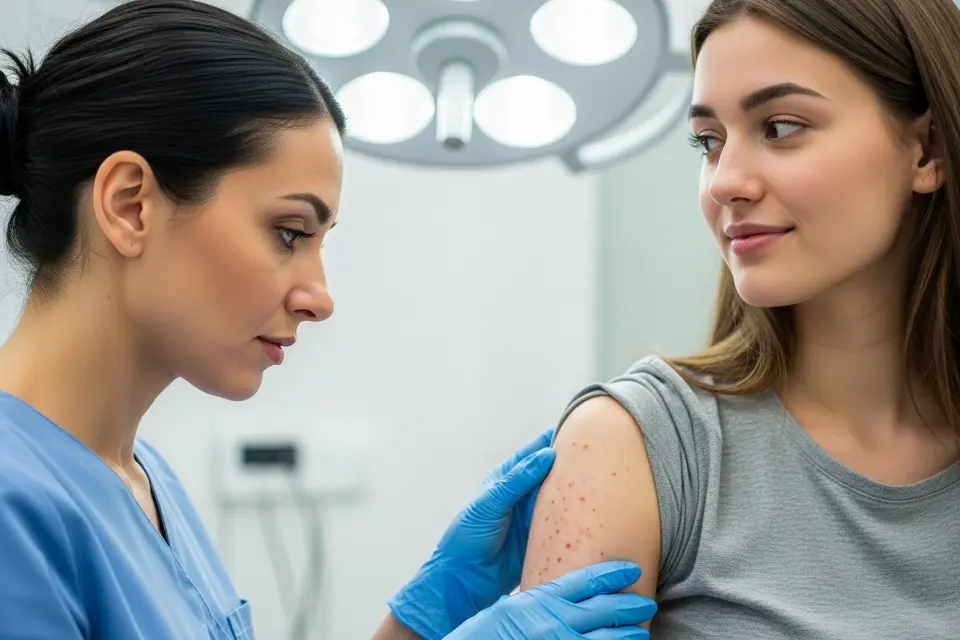
Those rough, sandpaper-like bumps on upper arms and thighs are usually keratosis pilaris. This condition results from keratin protein building up around hair follicles. The bumps feel dry and rough but rarely itch or cause pain. Children and teenagers experience this condition most frequently, though it can persist into adulthood.
Cysts, Lipomas, and Milia
Cysts are fluid-filled sacs that form beneath the skin, often feeling like small marbles. Lipomas are soft, fatty lumps that move slightly when pressed. Both are typically benign but should be monitored for changes. Milia appear as tiny white bumps, usually around the eyes and cheeks, caused by trapped dead skin cells. These small cysts are common in newborns but affect adults, too.
Warts and Skin Tags
Warts develop from human papillomavirus (HPV) infection and can spread through direct contact. They appear as rough, raised bumps with a cauliflower-like texture. If you are considering wart removal, several effective options exist. Skin tags are soft, flesh-colored growths that hang from the skin by a thin stalk. Friction from clothing or skin rubbing together causes most skin tags. Neither condition poses health risks, but many people remove them for cosmetic reasons.
Root Causes and Environmental Triggers
Hormonal Shifts and Genetics
Hormonal fluctuations during puberty, pregnancy, and menstruation trigger excess oil production that leads to clogged pores. Genetics determines skin type, pore size, and susceptibility to certain conditions. If parents experienced keratosis pilaris or cystic acne, their children face higher risks for the same issues.
Bacterial and Fungal Infections
Bacteria naturally living on skin can cause problems when they enter damaged pores or hair follicles. Folliculitis creates small, red bumps that may contain pus. Fungal infections like ringworm produce circular, scaly patches with raised edges. Molluscum contagiosum, a viral infection, typically resolves on its own in 6 to 18 months but can occasionally persist for up to 2 years.
Allergic Reactions and Contact Dermatitis
Contact with allergens or irritants produces bumpy, itchy rashes. Common culprits include nickel jewelry, fragrances, latex, and certain plants like poison ivy. These reactions cause inflammation that results in raised, red bumps. Identifying and avoiding triggers prevents recurring outbreaks.
See a doctor online today
A licensed doctor can review your symptoms online, talk through next steps, and send a prescription to your pharmacy if appropriate.
- $39 video visit
- Insurance accepted
- 4.8 on Trustpilot
Related medications we prescribe
Learn moreEffective Over-the-Counter Treatments
Exfoliating Acids: AHAs and BHAs
Alpha hydroxy acids like glycolic and lactic acid dissolve the bonds between dead skin cells, promoting a smoother texture. Beta hydroxy acids, particularly salicylic acid, penetrate oil-filled pores to clear blockages from within. Start with lower concentrations and gradually increase to prevent irritation. Apply these products at night since they increase sun sensitivity.
Retinoids for Cell Turnover
Over-the-counter retinol accelerates skin cell turnover, preventing dead cells from clogging pores. This ingredient also helps fade dark spots left by healed bumps. Begin with applications every third night, working up to nightly use as skin adjusts. Dryness and flaking are normal during the first few weeks.
Antibacterial Washes and Creams
Benzoyl peroxide kills acne-causing bacteria and reduces inflammation. Concentrations of 2.5% work nearly as well as higher strengths with less irritation. Antibacterial washes containing tea tree oil or sulfur provide gentler alternatives for sensitive skin.
Professional Procedures and Medical Interventions
Chemical Peels and Laser Therapy
Professional chemical peels use stronger acid concentrations than home products, removing damaged outer skin layers. Laser treatments target specific concerns like acne scars, pigmentation, and stubborn bumps. Multiple sessions are typically needed for optimal results.
Cryotherapy and Surgical Removal
Cryotherapy freezes warts and certain other lesions using liquid nitrogen, causing them to fall off within 1 to 2 weeks. Dermatologists surgically excise larger cysts and lipomas that cause discomfort or cosmetic concerns. These procedures require local anesthesia and proper wound care afterward.
Prescription-Strength Medications
Severe acne often requires prescription retinoids like tretinoin or oral antibiotics. Isotretinoin treats severe nodulocystic acne that has not responded to other therapies and requires strict medical supervision due to potential side effects. Topical antifungals and antivirals address infection-based bumps. Doctronic.ai can help assess symptoms and provide guidance on whether prescription treatments might be necessary.
Preventative Skincare Habits for Smooth Skin
Proper Cleansing and Moisturizing Techniques
Wash skin twice daily with a gentle, non-comedogenic cleanser. Avoid scrubbing aggressively, which damages the skin barrier and worsens bumps. Apply lightweight, oil-free moisturizer immediately after cleansing while skin is still damp.
Sun Protection and Barrier Repair
UV exposure worsens many bump-causing conditions and leaves lasting dark marks after bumps heal. Apply broad-spectrum SPF 30 or higher daily, even on cloudy days. Products containing ceramides and niacinamide strengthen the skin barrier, reducing sensitivity and irritation. Avoid picking or squeezing bumps, which spreads bacteria and causes scarring.
When to See a Dermatologist
Schedule an appointment if bumps change color, size, or shape rapidly. Painful bumps that do not heal within two weeks warrant professional evaluation. Any growth that bleeds without injury needs examination to rule out skin cancer.
Frequently Asked Questions
Yes. High-glycemic foods and dairy products trigger acne flares in some people. Reducing sugar intake and processed foods often improves skin clarity within weeks.
Most over-the-counter treatments require 6 to 8 weeks of consistent use before showing significant results. Patience and consistency matter more than switching products frequently.
Warts and molluscum contagiosum spread through direct contact. Acne, keratosis pilaris, and most other bumps are not contagious.
Stress triggers hormonal changes that increase oil production and inflammation, worsening acne and other conditions. Managing stress through exercise and sleep supports clearer skin.
Never squeeze bumps at home. This pushes bacteria deeper, causes scarring, and spreads infection to surrounding areas.
The Bottom Line
Understanding what causes skin bumps makes it easier to choose the right treatment and get results faster. Most bumps respond well to consistent over-the-counter care, while stubborn or unusual growths benefit from professional evaluation. For personalized guidance on identifying and treating skin concerns, visit Doctronic.ai for a 24/7 AI-powered consultation that helps you determine the best next step.
Related articles
Get skin care advice
Chat Now