Pain Management
Bruising Too Easily? Here's What Your Body Might Be Telling You
August 19, 2025
10 min read

Medically reviewed by Alan Lucks | MD, Alan Lucks MDPC Private Practice - New York on May 17th, 2026.
Published on March 21st, 2026. Updated on July 23rd, 2026.
Easy bruising can result from aging, medications, or underlying medical conditions
Bruises appearing without injury or trauma may indicate blood clotting disorders
Certain medications like blood thinners significantly increase bruising susceptibility
Seek immediate medical attention for bruises with severe pain, swelling, or neurological symptoms
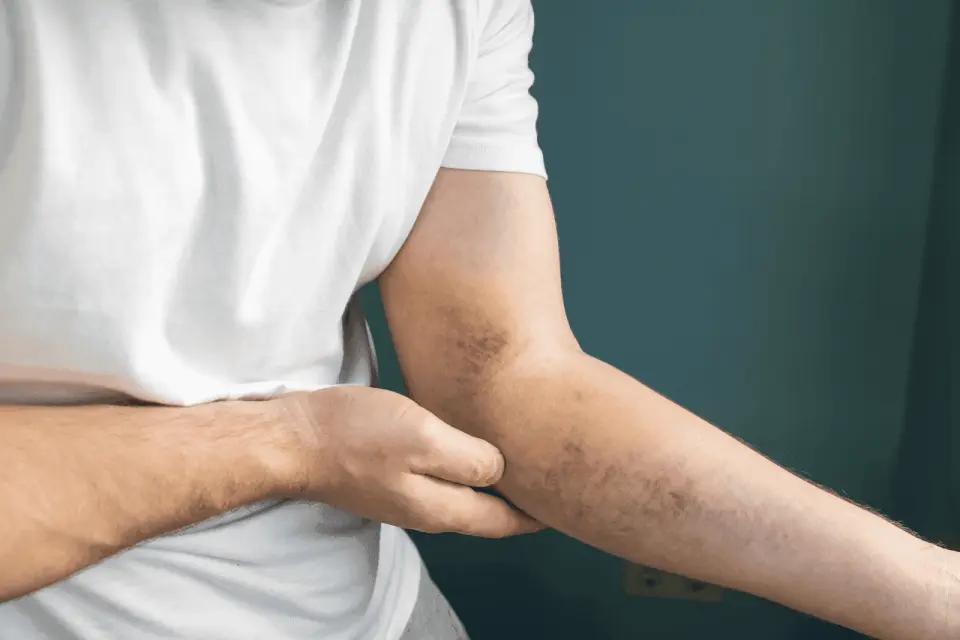
Most people experience the occasional bruise from bumping into furniture or minor accidents. However, some individuals find themselves developing bruises with minimal contact or even without remembering any injury at all. This pattern of bruising too easily affects millions of people worldwide and can range from a harmless inconvenience to a sign of serious underlying health conditions.
While easy bruising is often benign, understanding when it becomes medically concerning can help you make informed decisions about your health. If you're experiencing unexplained or excessive bruising, Doctronic's AI-powered consultations can help you assess your symptoms and determine if you need professional medical evaluation.
Easy bruising occurs when blood vessels beneath the skin break from minimal trauma or pressure that wouldn't typically cause bruising in most people. This condition, medically known as purpura simplex, happens when capillaries rupture and blood pools under the skin, creating the characteristic discoloration we recognize as a bruise.
Women experience easy bruising two to three times more frequently than men due to several factors including hormonal fluctuations, thinner skin, and different fat distribution patterns. Estrogen levels particularly influence blood vessel fragility, which explains why many women notice increased bruising during menstruation, pregnancy, or menopause.
Aging naturally increases bruising susceptibility as skin becomes thinner and blood vessels more fragile over time. The protective fat layer beneath the skin also diminishes with age, leaving blood vessels more vulnerable to damage from everyday activities. Additionally, collagen production decreases as we age, making blood vessel walls less elastic and more prone to rupturing.
Normal bruising typically heals within two to three weeks, progressing through a predictable color change pattern from red to purple, then to yellow-green as the body breaks down and reabsorbs the trapped blood cells.
Several warning signs indicate that easy bruising requires prompt medical evaluation. The most concerning scenario involves bruises appearing spontaneously without any remembered trauma or injury. These unexplained bruises may signal underlying blood disorders or other serious medical conditions that affect normal clotting mechanisms.
Large bruises exceeding the size of a quarter or covering significant body surface area warrant medical attention, especially when they develop from minor contact. Similarly, bruising accompanied by excessive bleeding from minor cuts, dental procedures, or nosebleeds suggests impaired clotting function that needs professional assessment.
The sudden onset of easy bruising in adults over 50 or children under 5 years old requires immediate medical evaluation. In older adults, new bruising patterns may indicate medication interactions, liver problems, or blood disorders. In young children, unexplained bruising could suggest genetic bleeding disorders or other pediatric conditions.
Location also matters significantly when evaluating concerning bruising patterns. Bruises appearing on the torso, back, or face without clear trauma are more worrisome than those on arms and legs, which are more commonly exposed to minor injuries during daily activities.
See a doctor online today
A licensed doctor can review your symptoms online, talk through next steps, and send a prescription to your pharmacy if appropriate.
Blood-thinning medications represent one of the most frequent causes of increased bruising susceptibility. Anticoagulants like warfarin, antiplatelet drugs such as aspirin and clopidogrel, and newer blood thinners like rivaroxaban all reduce the blood's ability to clot normally, making even minor trauma more likely to result in visible bruising.
Nutritional deficiencies play a crucial role in bruising patterns. Vitamin C deficiency weakens blood vessel walls, making them more prone to rupture. Vitamin K deficiency impairs the production of clotting factors, while folate deficiency can lead to decreased platelet production. These nutritional gaps often develop gradually and may not produce obvious symptoms until bruising becomes noticeable.
Liver disease significantly impacts bruising patterns because the liver produces most of the body's clotting factors. When liver function declines due to conditions like cirrhosis, hepatitis, or fatty liver disease, the production of these essential proteins decreases, leading to prolonged bleeding and easy bruising.
Various blood disorders directly affect clotting mechanisms. Thrombocytopenia involves low platelet counts, while conditions like hemophilia involve deficiencies in specific clotting factors. These disorders can be inherited or acquired and often require ongoing medical management.
Blood cancers like leukemia disrupt normal blood cell production in the bone marrow, leading to decreased platelet counts and impaired clotting function. These malignancies often present with easy bruising alongside other symptoms like fatigue, frequent infections, and unexplained weight loss.
Autoimmune disorders such as lupus can attack blood vessels and clotting factors, creating a complex pattern of bleeding and bruising. These conditions involve the immune system mistakenly targeting healthy tissues, including those involved in normal blood clotting processes.
Kidney disease affects platelet function and increases bleeding tendency through multiple mechanisms. As kidney function declines, the body's ability to maintain proper blood chemistry changes, affecting how platelets stick together and form clots.
Genetic bleeding disorders like von Willebrand disease affect lifelong clotting ability and often run in families. These inherited conditions involve deficiencies or dysfunction of specific proteins required for normal blood clotting and may not be diagnosed until adulthood when bruising patterns become concerning.
Understanding the difference between normal and concerning bruising helps determine when medical evaluation is necessary. The following table outlines key distinguishing features:
Characteristic |
Normal Bruising |
Concerning Bruising |
|---|---|---|
Cause |
Clear trauma or injury |
No remembered trauma |
Size |
Proportional to injury |
Large or disproportionate |
Location |
Arms, legs, shins |
Torso, back, face |
Healing |
2-3 weeks, predictable colors |
Slow healing or unusual appearance |
Frequency |
Occasional, explainable |
Frequent, unexplained |
Normal bruising follows a proportional trauma response and heals predictably within two to three weeks. Most people can recall the specific incident that caused their bruise, whether it was bumping into a table or participating in sports activities.
Concerning bruising appears disproportionate to injury severity or occurs without any identifiable trauma. These bruises may be unusually large, appear in unusual locations, or develop alongside other symptoms like prolonged bleeding or fatigue. When you need to easily obtain medical records to share with specialists, having documentation of your bruising patterns can be valuable for diagnosis.
While stress and anxiety don't directly cause bruising, they can contribute through several mechanisms. Chronic stress may affect immune function and healing processes. Additionally, stress-related behaviors like scratching or fidgeting might increase minor trauma that leads to visible bruising.
Yes, increased bruising with age is completely normal. As we age, our skin becomes thinner, blood vessels more fragile, and the protective fat layer beneath the skin diminishes. These natural changes make blood vessels more vulnerable to damage from everyday activities.
Never stop taking prescribed blood thinners without consulting your healthcare provider. Easy bruising is an expected side effect of these medications. Your doctor can evaluate whether the bruising is within acceptable limits or if dosage adjustments are needed.
Seek immediate medical attention for sudden onset of easy bruising, especially if accompanied by other symptoms like excessive bleeding, fatigue, or fever. For gradual changes in bruising patterns, schedule an appointment within a few weeks for proper evaluation.
Vitamin C and vitamin K supplements may help if you have documented deficiencies, but you should consult a healthcare provider before starting supplements. Proper diagnosis is important because some causes of easy bruising require specific medical treatments rather than nutritional interventions.
Easy bruising affects millions of people and while often related to normal aging or medication side effects, it can sometimes indicate serious underlying health conditions requiring prompt medical attention. Key warning signs include spontaneous bruising without trauma, unusually large bruises, bruising in concerning locations like the torso or face, and new onset of easy bruising patterns. Common causes range from blood-thinning medications and nutritional deficiencies to more serious conditions like blood disorders, liver disease, or autoimmune conditions. Understanding the difference between normal and concerning bruising patterns helps you make informed decisions about when to seek medical care. If you're experiencing unexplained or excessive bruising, professional medical evaluation can help identify the underlying cause and determine appropriate treatment options.
Ready to take control of your health? Get started with Doctronic today.
Get advice about bruising easily
Chat Now
Join 50,000+ readers using Doctronic to understand symptoms, medications,
and next steps.
Add your phone number below to get health updates and exclusive VIP offers.
By providing your phone number, you agree to receive SMS updates from Company. Message and data rates may apply. Reply “STOP” to opt-out anytime. Read our Privacy Policy and Terms of Service for more details.
Save your consults. Talk with licensed doctors and manage your health history.