
Eye Health
Can Telehealth Help With Pink Eye? How to Get Treatment Online
November 8, 2025
10 min read

Medically reviewed by Alan Lucks | MD, Alan Lucks MDPC Private Practice - New York on April 22nd, 2026.
Published on March 17th, 2026. Updated on July 23rd, 2026.
Allergic pink eye is caused by allergens like pollen, dust mites, or pet dander, not bacteria or viruses
Both eyes are typically affected simultaneously with itching as the primary symptom
Seasonal allergic conjunctivitis peaks during spring and fall allergy seasons
Antihistamine eye drops and oral medications can provide effective relief within hours
Unlike infectious pink eye, allergic conjunctivitis is not contagious and won't spread to others
Allergic pink eye affects millions of Americans each year, causing uncomfortable symptoms that can significantly impact daily life. Understanding the difference between allergic and infectious conjunctivitis is crucial for proper treatment and faster relief. When your eyes are red, watery, and intensely itchy, knowing whether you're dealing with an allergic reaction or an infection can make all the difference in getting the right care quickly.
The good news is that allergic conjunctivitis, while uncomfortable, is highly treatable and manageable. With the right knowledge and treatment approach, most people can find relief within hours to days of starting therapy. Doctronic's AI-powered platform provides 24/7 access to expert guidance on managing allergic eye conditions, helping you determine the best treatment plan for your specific symptoms.
Allergic pink eye, medically known as allergic conjunctivitis, is an inflammatory response to environmental allergens affecting the conjunctiva - the thin, clear membrane that covers the white part of your eye and inner eyelids. This condition occurs when your immune system mistakenly identifies harmless substances as threats, triggering an inflammatory cascade that leads to the characteristic red, itchy, watery eyes.
Two main types exist: seasonal allergic conjunctivitis and perennial allergic conjunctivitis. Seasonal forms typically flare during specific times of the year when pollen counts are high, while perennial varieties persist year-round due to indoor allergens like dust mites, pet dander, or mold spores. Both types can cause significant discomfort and interfere with daily activities.
The condition involves histamine release causing blood vessel dilation and tissue swelling in the eye area. This biological response is similar to what happens with other hay fever symptoms, which is why many people experience multiple allergy symptoms simultaneously. Unlike infectious pink eye, allergic conjunctivitis involves bilateral eye involvement and intense itching as the dominant symptom, helping distinguish it from bacterial or viral causes.
Spring tree pollen season, typically from March through May, triggers the most severe seasonal cases of allergic conjunctivitis. During this period, oak, maple, birch, and other trees release massive amounts of pollen into the air, creating perfect conditions for allergic reactions. People who are sensitive to tree pollen often experience their worst symptoms during warm, windy days when pollen counts soar.
Fall ragweed pollen causes a second peak in allergic conjunctivitis cases, usually occurring from September through October. This late-season surge catches many people off guard, especially those who associate eye allergies primarily with spring. Ragweed is particularly problematic because a single plant can produce up to one billion pollen grains during its blooming season.
Indoor allergens like dust mites, pet dander, and mold cause year-round symptoms for millions of Americans. These perennial triggers don't follow seasonal patterns, making them particularly challenging to identify and avoid. Dust mites thrive in bedding, upholstered furniture, and carpeting, while pet allergens can linger in homes for months even after the animal is no longer present.
Contact allergens including makeup, eye irritation from preservatives in eye drops, and contact lens solutions can trigger acute episodes. These reactions often occur within minutes of exposure and may be more localized than environmental allergies. Understanding your specific triggers is essential for effective prevention and management.
Get allergies treatment online today
A licensed doctor can review your symptoms and send a prescription to your pharmacy, often the same day.
Initial allergen exposure sensitizes the immune system by creating specific IgE antibodies directed against the offending substance. This sensitization process can take weeks to months and explains why some people develop new allergies later in life. Once sensitized, your immune system "remembers" the allergen and prepares to mount a defensive response upon re-exposure.
Re-exposure triggers mast cell degranulation, releasing histamine and other inflammatory mediators throughout the eye tissues. These chemical messengers cause the characteristic symptoms of allergic conjunctivitis: redness from blood vessel dilation, swelling from increased vascular permeability, and itching from nerve stimulation. The intensity of this response varies based on individual sensitivity and the amount of allergen exposure.
Symptoms typically develop within minutes to hours after allergen contact, though the timeline can vary depending on the type and concentration of the trigger. Direct contact with allergens like pet dander may cause almost immediate symptoms, while airborne pollen exposure might take several hours to reach peak intensity. Some people also experience a delayed phase reaction 4-8 hours after initial exposure.
Without treatment, inflammation can persist for days to weeks depending on continued allergen exposure. This chronic inflammation can lead to complications like bacterial superinfection if the eyes are rubbed frequently. People with multiple allergies, such as those who experience both allergy coughing and eye symptoms, often have more persistent and severe reactions.
Intense itching in both eyes is the hallmark symptom that differentiates allergic conjunctivitis from infectious causes. This itching is often described as unbearable and drives the urge to rub the eyes, which can worsen inflammation and potentially introduce bacteria. The bilateral nature of symptoms - affecting both eyes simultaneously - is another key distinguishing feature.
Clear, watery discharge flows freely from affected eyes, rather than the thick, colored discharge seen in bacterial infections. This watery secretion results from increased tear production and vascular leakage caused by the inflammatory response. The discharge may increase during peak allergen exposure times and improve when allergen levels are lower.
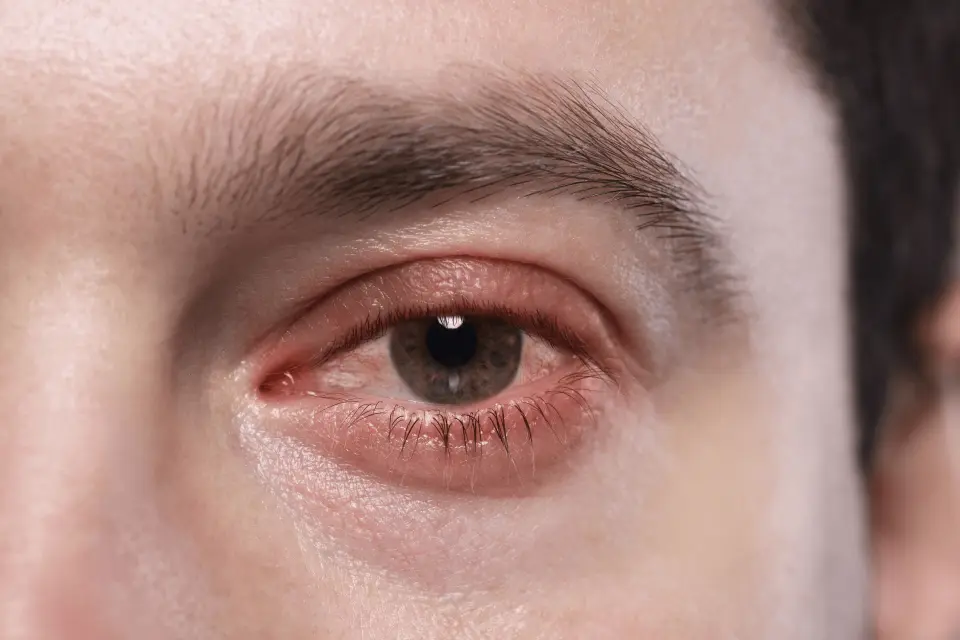
Eyelid swelling and under-eye puffiness often accompany the red, irritated conjunctiva, giving sufferers a characteristic "allergic look." The swelling can be mild puffiness or severe enough to partially close the eyes. This periorbital edema results from fluid accumulation in the loose tissues around the eyes and typically worsens in the morning.
Associated allergy symptoms like sneezing, runny nose, and throat irritation commonly occur alongside eye symptoms. Many people with allergic conjunctivitis also experience allergy headaches and sinus congestion. This constellation of symptoms supports an allergic rather than infectious cause and may indicate the need for systemic allergy treatment.
Feature |
Allergic Pink Eye |
Bacterial Pink Eye |
Viral Pink Eye |
|---|---|---|---|
Affected Eyes |
Both eyes simultaneously |
Often starts in one eye |
Usually one eye first |
Primary Symptom |
Intense itching |
Thick discharge |
Excessive tearing |
Discharge Type |
Clear, watery |
Yellow-green, thick |
Clear to slightly thick |
Contagious |
No |
Yes, highly contagious |
Yes, very contagious |
Duration |
Ongoing with exposure |
7-10 days with treatment |
1-3 weeks |
Associated Symptoms |
Sneezing, runny nose |
None typically |
Cold symptoms |
Understanding these differences helps determine appropriate treatment approaches. While bacterial pink eye requires antibiotic treatment and viral conjunctivitis needs supportive care, allergic pink eye responds best to antihistamines and allergen avoidance. The treatment for allergic conjunctivitis often includes both topical and systemic approaches, similar to managing other allergic conditions.
No, allergic pink eye is not contagious at all. Unlike bacterial or viral conjunctivitis, allergic conjunctivitis is an individual immune response to environmental triggers and cannot be transmitted through contact, sharing items, or being in close proximity to someone with symptoms.
Untreated allergic pink eye can persist as long as allergen exposure continues, potentially lasting weeks to months during allergy season. Symptoms typically improve within days of starting antihistamine treatment, though complete resolution may take 1-2 weeks with proper allergen avoidance and medication compliance.
Yes, many people find excellent relief with over-the-counter antihistamine eye drops and oral medications. Topical options like ketotifen or olopatadine can provide rapid symptom relief, while oral antihistamines help address systemic allergy symptoms that often accompany eye involvement.
Absolutely. Contact lenses can trap allergens against the eye surface, worsening symptoms and prolonging recovery. They also increase infection risk when eyes are inflamed. Switch to glasses until symptoms completely resolve, typically 3-5 days after starting treatment.
Seek medical attention if symptoms worsen despite treatment, if you develop thick colored discharge, severe pain, vision changes, or light sensitivity. These signs may indicate bacterial infection or other complications requiring prescription treatment. Telehealth help with pink eye can provide convenient access to professional evaluation.
Allergic pink eye is a manageable condition that responds well to proper identification and treatment. The key to effective management lies in recognizing the distinctive symptoms - bilateral itching, clear discharge, and associated allergy symptoms - that differentiate it from infectious causes. With appropriate antihistamine therapy, allergen avoidance strategies, and sometimes allergy shots for severe cases, most people can achieve significant symptom relief and prevent future flare-ups. Understanding your specific triggers and having an action plan ready for allergy season can make the difference between weeks of misery and quick, effective treatment. Doctronic's AI-powered healthcare platform offers 24/7 access to expert guidance on allergic eye conditions, helping you get the right diagnosis and treatment plan without the wait of traditional healthcare appointments.
Ready to take control of your health? Get started with Doctronic today.
Check symptoms of allergic pink eye
Chat Now