Diseases and Conditions
Omeprazole Side Effects Timeline: Week by Week Guide
May 17, 2026
5 min read

Medically reviewed by Oghenefejiro Okifo | MD, Harvard Medical School | Henry Ford Hospital - Detroit, MI on April 25th, 2026.
Published on April 15th, 2026. Updated on July 23rd, 2026.
Cold weather strips moisture from skin through low humidity outdoors and heated air indoors, creating the perfect conditions for winter rash.
Common cold-weather skin conditions include eczema flare-ups, psoriasis worsening, and cold urticaria (hives triggered by temperature drops).
Prevention focuses on humidifiers, gentle fabrics, and shorter lukewarm showers to preserve natural skin oils.
Treatment options range from thick ointments and over-the-counter remedies to natural solutions like oatmeal baths.
Persistent symptoms lasting more than two weeks or signs of infection require professional evaluation.
Doctronic.ai offers AI-powered assessments and telehealth consultations to help manage winter skin concerns.
Questions about winter rash?
Free. Anonymous. Built by doctors.
Talk to our AI doctor for a clear, personalized read on your situation.
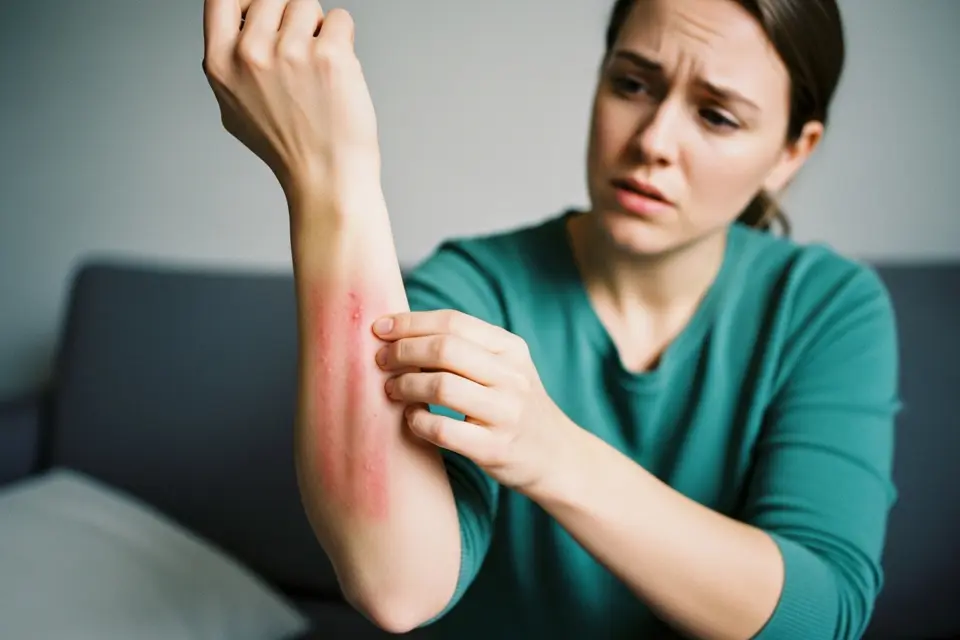
When temperatures drop, skin often rebels. Surveys show that about 70% of Americans notice their skin behaves differently during winter months, with dryness being the most common complaint. Winter rash develops when cold, dry conditions strip away the skin's protective moisture barrier, leaving it vulnerable to irritation, redness, and itching.
The skin works hard to maintain hydration, but winter creates a double assault. Cold outdoor air holds less moisture than warm air, while indoor heating systems further dehydrate the environment. This combination explains why skin flares up in cold weather even for people who experience no issues during other seasons. Understanding the specific triggers helps people take targeted action rather than guessing at solutions.
Cold air simply cannot hold as much moisture as warm air. When winter arrives, outdoor humidity levels plummet. Walking outside repeatedly exposes the skin to this dry environment throughout the day. Each exposure pulls moisture from the skin's outer layer, called the stratum corneum.
This outer layer normally contains about 30% water. When that percentage drops below 20%, skin becomes visibly dry, tight, and prone to cracking. Dryness is the top skin concern for more than 60% of people during winter, making it the most widespread cold-weather skin issue.
Escaping indoors offers no relief. Furnaces, radiators, and space heaters blast warm air that contains almost no humidity. This heated air acts like a sponge, absorbing moisture from everything it touches, including skin.
People spend approximately 85% of the winter indoors, leading to prolonged exposure to these drying conditions. The constant cycling between cold outdoor air and hot indoor air stresses the skin barrier, weakening its ability to retain moisture over time.
Beyond environmental factors, daily habits worsen winter skin problems. Wool sweaters and synthetic fabrics irritate sensitive skin through friction. Hot showers feel wonderful on cold days, but they strip away the natural oils that protect the skin. Winter rash often reflects dry skin exacerbated by cold, dry environmental conditions, meaning these additional triggers compound existing problems.
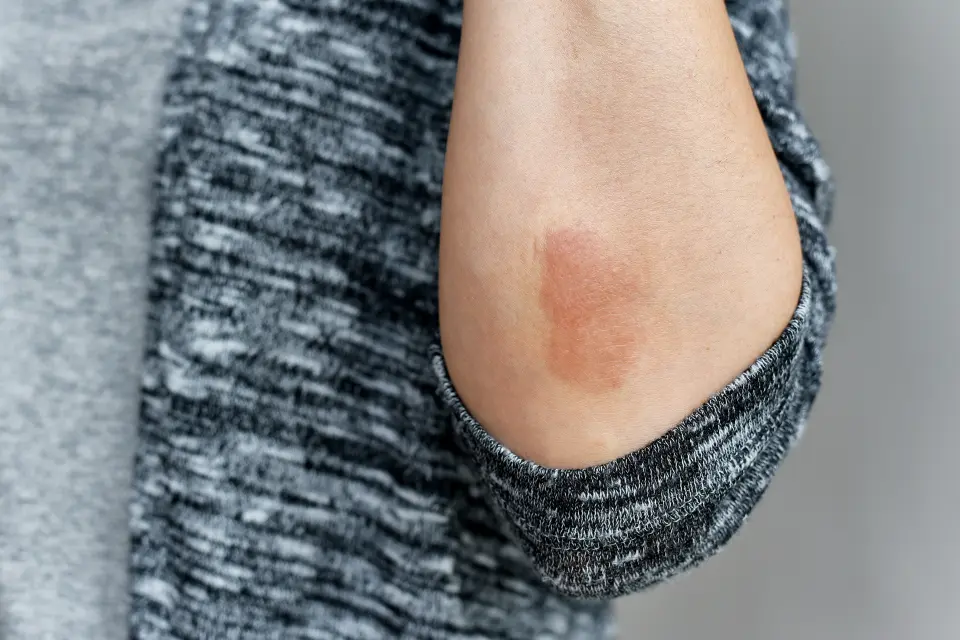
People with eczema often dread winter. The condition involves a compromised skin barrier that struggles to retain moisture even under ideal conditions. Cold weather intensifies this struggle, leading to red, scaly patches that itch intensely. Flare-ups commonly appear on hands, elbows, and behind the knees.
Psoriasis responds to UV light, which helps slow the rapid skin cell turnover that causes plaques. Winter brings shorter days and less sun exposure, removing this natural treatment. Many psoriasis patients notice their symptoms worsen significantly between November and March, requiring adjustments to their treatment plans.
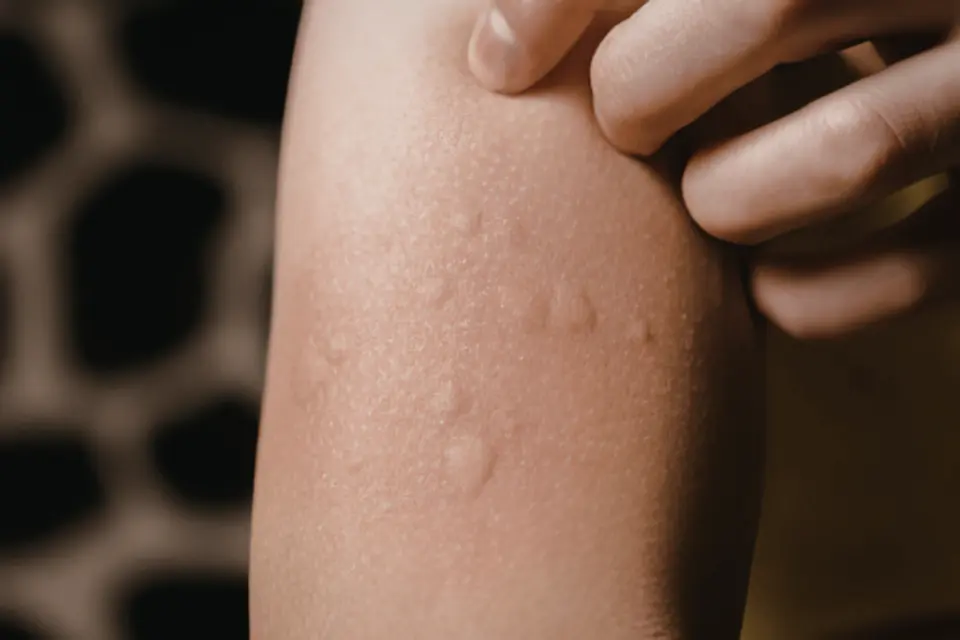
Some people develop actual hives when exposed to cold temperatures. This condition, called cold urticaria, causes raised, itchy welts within minutes of cold exposure. Symptoms typically appear on exposed skin but can spread. Severe cases may cause swelling of the lips or throat, requiring immediate medical attention. Doctronic.ai can help determine whether symptoms align with cold urticaria patterns and recommend appropriate next steps.
Winter rash presents with several recognizable symptoms. Skin appears dry, flaky, or scaly. Redness may range from mild pinkness to deep irritation. Itching varies from mild annoyance to intense discomfort that disrupts sleep. Some people notice small cracks in the skin, particularly on hands and heels.
More concerning signs include oozing, crusting, or yellow discharge, which may indicate infection. Severe pain, spreading redness, or fever, along with skin symptoms, warrants prompt medical evaluation. Doctronic.ai offers 24/7 access to AI-powered assessments that help determine whether symptoms require professional attention or can be managed at home.
Adding moisture back to indoor air makes a significant difference. Humidifiers should maintain indoor humidity between 40% and 60%. Place units in bedrooms and living areas where people spend the most time. Clean humidifiers weekly to prevent mold growth, which can cause skin and respiratory problems.
Fabric choices matter more than most people realize. Cotton and silk sit gently against skin without causing irritation. Layer these soft fabrics underneath wool or synthetic outer layers. Remove damp clothing promptly, as wet fabric against skin accelerates moisture loss and irritation.
Hot showers feel tempting but cause damage. Lukewarm water preserves natural skin oils that hot water strips away. Limit showers to 10 minutes or less. Pat skin dry rather than rubbing, and apply moisturizer within three minutes of bathing to lock in hydration while skin remains slightly damp.
Lightweight lotions that work in summer fail during winter. Switch to thicker creams or ointments that create a protective barrier on the skin. Look for products containing ceramides, hyaluronic acid, or petrolatum. Apply generously after bathing and before bed.
Hydrocortisone cream (1%) reduces inflammation and itching for mild to moderate symptoms. Use it sparingly on affected areas for no more than two weeks without medical guidance. Antihistamines help some people manage nighttime itching that disrupts sleep.
Colloidal oatmeal baths soothe irritated skin and reduce itching naturally. Add one cup of finely ground oatmeal to lukewarm bathwater and soak for 15 minutes. Coconut oil provides natural moisturization, though people with coconut allergies should avoid it. Apply these remedies consistently for the best results.
Home treatments work well for mild winter rash, but some situations require professional evaluation. Seek medical advice when symptoms persist beyond two weeks despite consistent home care. Signs of infection, including increased pain, warmth, swelling, or discharge, need prompt attention.
People with underlying conditions like eczema or psoriasis may need prescription treatments during severe flare-ups. Topical steroids, immunomodulators, or light therapy may be recommended. Doctronic.ai provides convenient telehealth consultations with licensed doctors who can prescribe appropriate treatments when over-the-counter options prove insufficient.
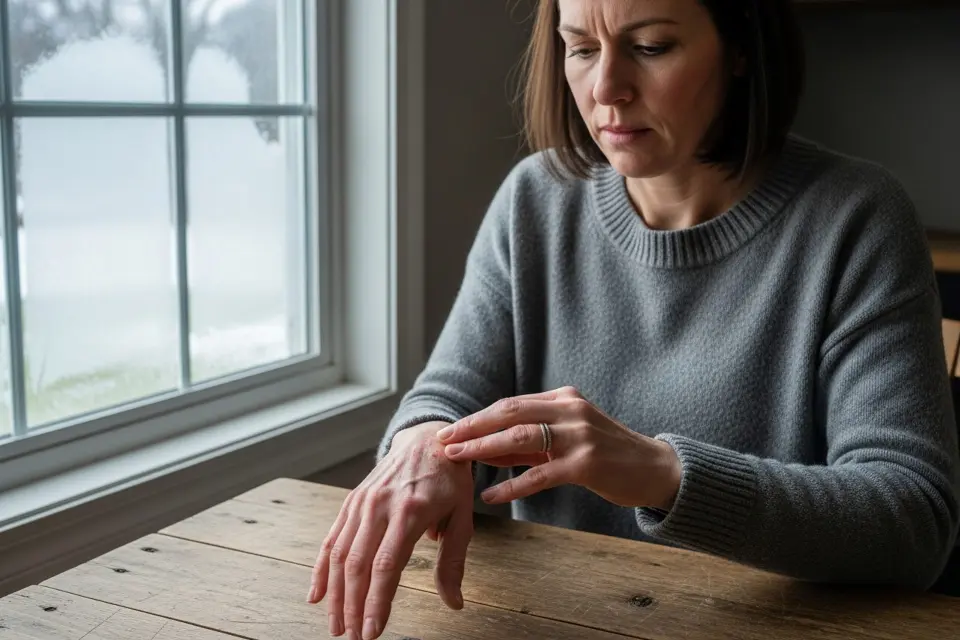
Winter rash itself is not contagious. It results from environmental factors and individual skin sensitivity rather than infection. If skin becomes infected from scratching, the secondary infection could spread, but the underlying rash cannot.
With proper treatment and prevention measures, mild winter rash improves within one to two weeks. Chronic conditions like eczema may require ongoing management throughout the cold months. Symptoms that persist beyond two weeks warrant professional evaluation.
Hydration and nutrition support skin health. Drinking adequate water, eating foods rich in omega-3 fatty acids, and consuming fruits and vegetables high in vitamins A and C all contribute to healthier skin. These dietary factors complement topical treatments.
Children commonly experience winter rash, particularly those with sensitive skin or eczema. Their thinner skin loses moisture more quickly than adult skin. Parents should apply gentle moisturizers regularly and dress children in soft, breathable fabrics.
Winter rash affects most people to some degree, but understanding the causes enables effective prevention and treatment. Maintaining indoor humidity, choosing gentle skincare products, and modifying bathing habits can keep skin comfortable throughout cold months. For personalized guidance on managing winter skin concerns, visit Doctronic.ai for AI-powered medical advice or convenient telehealth appointments with licensed physicians.
Get skin care advice
Chat Now