Diseases and Conditions
Omeprazole Side Effects Timeline: Week by Week Guide
May 17, 2026
5 min read

Medically reviewed by Oghenefejiro Okifo | MD, Harvard Medical School | Henry Ford Hospital - Detroit, MI on May 20th, 2026.
Published on April 15th, 2026. Updated on May 28th, 2026.
Winter allergies affect millions of Americans and stem from indoor triggers like dust mites, mold spores, and pet dander that accumulate when homes are sealed against cold weather.
Respiratory symptoms from indoor allergens often mimic cold symptoms but persist longer and respond to antihistamines rather than cold medications.
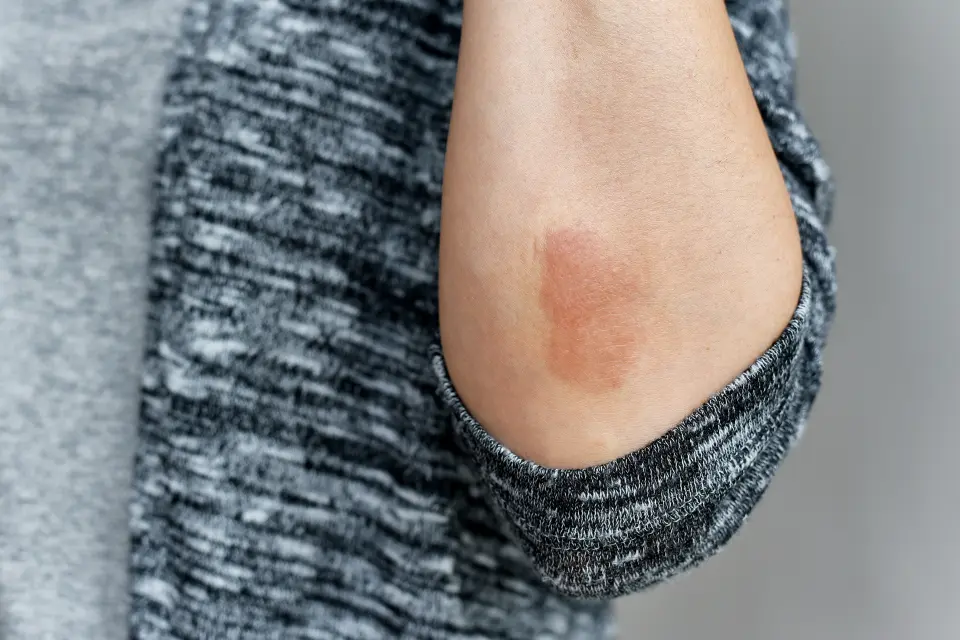
Low indoor humidity during the winter heating season triggers and worsens skin conditions like atopic dermatitis and contact rashes.
Strategic air filtration, moisture control, and targeted cleaning protocols significantly reduce allergen exposure.
Professional treatment options and AI-powered health tools like Doctronic.ai help identify triggers and create personalized management plans.
Doctronic.ai offers free AI doctor visits to help assess allergy symptoms and recommend next steps.
Most people assume allergies disappear when pollen counts drop and frost covers the ground. This assumption is wrong. Indoor allergens actually peak during winter months because people spend more time indoors with windows sealed shut, trapping allergens inside living spaces. The result is a concentrated exposure to triggers that can cause both respiratory distress and skin problems.
These indoor triggers worsen skin and respiratory symptoms in ways that catch many sufferers off guard. When outdoor temperatures plummet, heating systems kick on, humidity levels crash, and homes become incubators for allergens that thrive in warm, enclosed environments.
Cold weather forces families indoors for extended periods. Windows stay closed, fresh air circulation drops to near zero, and allergens that would normally disperse outdoors concentrate in living spaces. Heating systems compound the problem by circulating dust, dander, and mold spores through ductwork and into every room.
The average American spends over 90% of winter days inside. That extended exposure time allows allergens to accumulate on surfaces, bedding, and upholstery, while residents continuously breathe them in.
Cold symptoms typically resolve within 7 to 10 days. Allergy symptoms persist for weeks or months. While colds can produce yellow or green mucus, allergies typically cause clear, watery discharge. Itchy eyes and sneezing fits point toward allergies rather than a viral infection.
The American College of Allergy, Asthma, and Immunology advises people to be aware of individual triggers and seasonal issues to prevent flare-ups. Tracking symptoms with tools like Doctronic.ai helps identify patterns that distinguish allergic reactions from infections.
Three primary culprits drive most winter allergy symptoms: dust mites, mold spores, and pet dander. Each triggers distinct immune responses that affect the respiratory passages and skin differently.
Dust mites thrive in warm, humid microenvironments like mattresses, pillows, and upholstered furniture. These microscopic creatures feed on shed human skin cells and produce waste proteins that trigger allergic reactions. A single gram of dust can contain thousands of dust mites and their waste particles.
Their waste particles become airborne when bedding is disturbed, settling deep into respiratory passages and triggering inflammation. Symptoms include nasal congestion, sneezing, and worsening asthma symptoms during sleep.
Mold releases spores that float through indoor air and settle on surfaces throughout the home. Bathrooms, basements, and areas around leaky pipes provide ideal growing conditions. Even homes without visible mold often contain elevated spore counts in enclosed spaces.
Inhaled mold spores trigger both immediate allergic reactions and delayed inflammatory responses. Some mold species produce mycotoxins that cause more severe respiratory irritation than typical allergens.
Pet dander consists of microscopic skin flakes shed by cats, dogs, and other furry animals. These particles are lightweight and remain airborne for hours. During winter, dander accumulates rapidly because pets spend more time indoors and ventilation decreases.
Contrary to popular belief, no dog or cat breed is truly hypoallergenic. All furry pets produce dander proteins that trigger allergic reactions in sensitive individuals.
Indoor allergens attack the respiratory passages through multiple pathways. The nose, sinuses, and lungs all respond to allergen exposure with inflammation and mucus production.
Forced-air heating systems dry out nasal passages while simultaneously circulating allergens throughout homes. This combination creates perfect conditions for chronic sinus inflammation. Dried mucous membranes lose their ability to trap and expel allergens, allowing particles to penetrate deeper into sinus cavities.
The result is persistent facial pressure, headaches, and thick nasal discharge that antibiotics cannot resolve because the underlying cause is allergic rather than bacterial.
Allergic rhinitis affects approximately 81 million Americans as of 2024, and many of these individuals also have asthma. Indoor allergen exposure triggers bronchial inflammation, narrowing the airways and increasing mucus production. Winter asthma flare-ups often require medication adjustments that should be discussed with healthcare providers.
Doctronic.ai helps users track respiratory symptoms over time, identifying patterns that connect specific triggers to asthma episodes.
Winter allergies affect more than just the respiratory passages. Skin conditions flare dramatically during the cold months due to allergen exposure combined with environmental factors that compromise the skin barrier.
Forced-air heating drops indoor humidity to desert-like levels, sometimes below 20%. This extreme dryness strips moisture from skin, compromising the protective barrier that keeps allergens out. Once the barrier weakens, allergens penetrate more easily and trigger inflammatory responses.
People with atopic dermatitis experience intense itching, redness, and skin cracking during the winter months. The condition often worsens at night when dust mite exposure peaks in bedding.
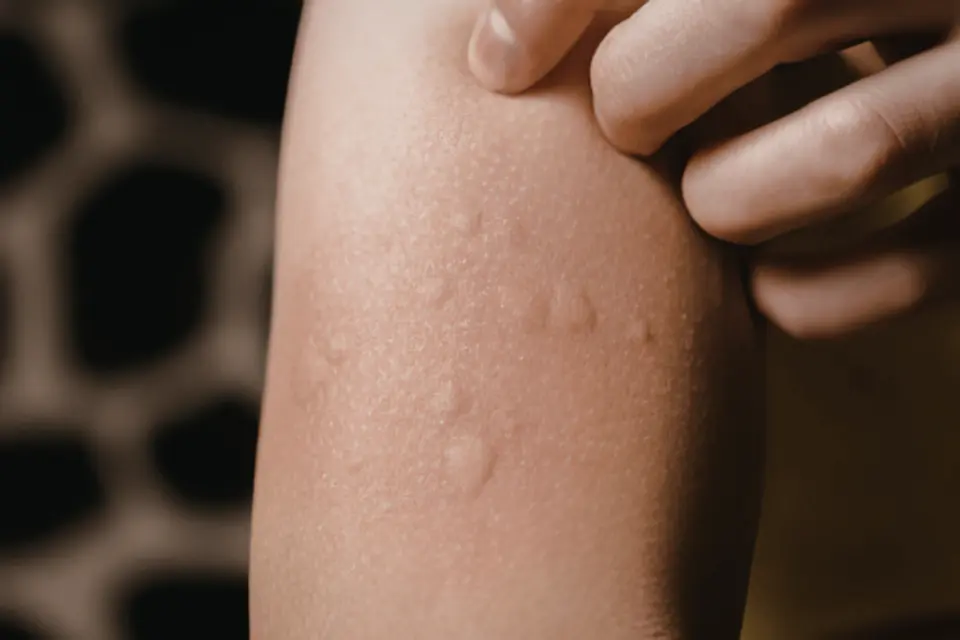
Some indoor allergens cause direct skin reactions upon contact. Dust mite proteins, pet saliva residue on furniture, and mold spores can all trigger hives or contact dermatitis. These reactions appear as raised, itchy welts or red, scaly patches.
Identifying the specific trigger requires careful observation of when and where symptoms appear. A health journal or an AI health assistant can help track these patterns effectively.
Reducing indoor allergen exposure requires a multi-pronged approach targeting air quality, moisture levels, and surface contamination.
HEPA filters capture 99.97% of particles 0.3 microns and larger, including dust mite waste, mold spores, and pet dander. Standalone air purifiers work well for individual rooms while whole-house filtration systems treat entire homes.
Furnace filters should be replaced every 1 to 3 months during the heating season. Upgrading to MERV 11-13 rated filters significantly improves allergen capture without restricting airflow.
Maintaining indoor humidity between 30% and 50% creates conditions that discourage dust mite reproduction while preventing the excessive dryness that damages skin. Hygrometers cost under $20 and provide accurate humidity readings.
Whole-house humidifiers attached to HVAC systems provide the most consistent results. Portable units work for individual rooms but require daily maintenance to prevent mold growth in water reservoirs.
Weekly washing of bedding in hot water kills dust mites and removes accumulated dander. Vacuuming with HEPA-filtered machines prevents allergens from becoming airborne during cleaning. Damp dusting captures particles rather than dispersing them.
Encasing mattresses and pillows in allergen-proof covers creates barriers between sleepers and dust mite colonies. These covers should be washed monthly alongside regular bedding.
Persistent winter allergies often require professional intervention beyond environmental controls. Allergists can perform skin or blood testing to identify specific triggers, enabling targeted avoidance strategies.
Immunotherapy, delivered through allergy shots or sublingual tablets, gradually desensitizes the immune system to specific allergens. This treatment requires commitment but offers long-term symptom reduction for many patients.
For ongoing symptom management and treatment guidance, Doctronic.ai offers free AI doctor visits that help identify allergy patterns and provide personalized recommendations. Users can also access licensed telehealth physicians available 24/7 across the United States, ensuring year-round access to care.
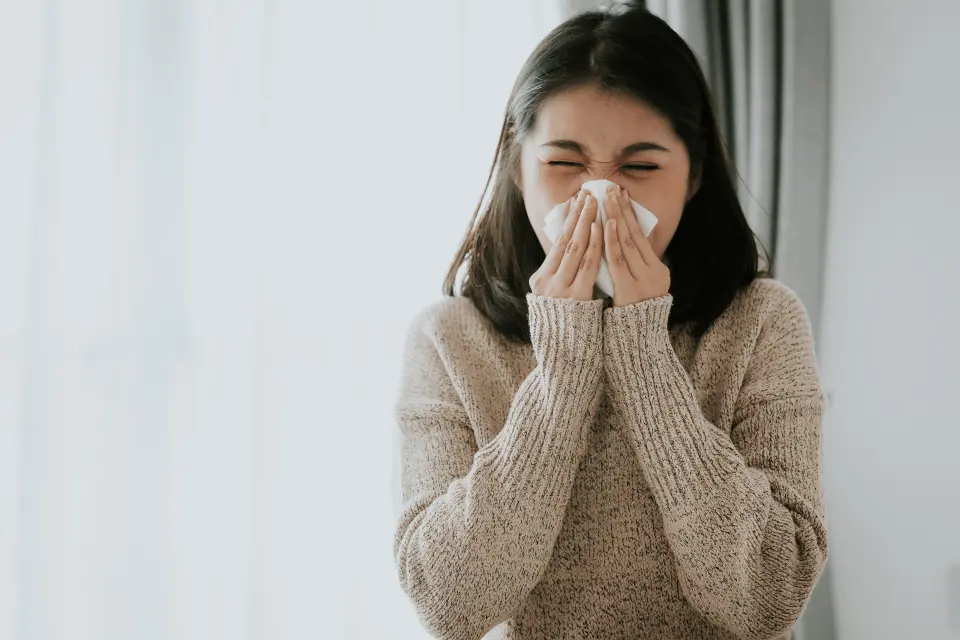
Yes. The inflammatory response to allergens triggers the release of chemicals that cause drowsiness. Poor sleep quality from nighttime congestion compounds this fatigue. Many winter allergy sufferers report feeling exhausted despite getting adequate hours of sleep.
HEPA air purifiers significantly reduce airborne allergen concentrations when properly sized for room square footage. They work best as part of a comprehensive approach that includes source control and regular cleaning.
Humidifiers help when indoor humidity drops below 30%, which can damage skin barriers and dry out nasal passages. They should not raise humidity above 50%, as higher levels encourage dust mite and mold growth.
Professional evaluation is warranted when over-the-counter medications provide inadequate relief, symptoms interfere with sleep or daily activities, or respiratory symptoms worsen despite environmental controls.
Winter allergies stem from indoor triggers that concentrate in sealed homes during cold months, causing respiratory and skin symptoms that persist until properly addressed. Combining environmental controls with professional guidance provides the most effective path to symptom relief. For personalized allergy assessment, visit Doctronic.ai for free AI doctor consultations and telehealth visits available around the clock.
Check symptoms of winter allergies
Chat Now
Join 50,000+ readers using Doctronic to understand symptoms, medications,
and next steps.
Add your phone number below to get health updates and exclusive VIP offers.
By providing your phone number, you agree to receive SMS updates from Company. Message and data rates may apply. Reply “STOP” to opt-out anytime. Read our Privacy Policy and Terms of Service for more details.
Save your consults. Talk with licensed doctors and manage your health history.