
What Is Dermatitis? Types, Causes, and How to Manage Flare-Ups

Medically reviewed by Oghenefejiro Okifo | MD, Harvard Medical School | Henry Ford Hospital - Detroit, MI on April 27th, 2026.
Published on April 17th, 2026. Updated on July 23rd, 2026.
Key takeaways
Dermatitis is a general term for skin inflammation that causes redness, itching, and irritation, with several distinct types requiring different management approaches.
Atopic dermatitis affects approximately 15% to 20% of children and 5% to 10% of adults worldwide, making it one of the most common skin conditions.
Triggers range from genetic factors and immune responses to external irritants like chemicals, metals, and fragrances.
Effective flare-up management combines topical treatments, barrier-restoring emollients, and lifestyle modifications.
Doctronic.ai offers AI-powered consultations and affordable telehealth visits to help identify skin concerns and connect patients with appropriate care.
Questions about dermatitis?
Free. Anonymous. Built by doctors.
Talk to our AI doctor for a clear, personalized read on your situation.
Understanding Dermatitis and Its Impact on Daily Life
Red, itchy, inflamed skin disrupts sleep, concentration, and confidence. Dermatitis describes this frustrating condition that millions experience, yet many people struggle to understand exactly what causes their symptoms or how to find relief. The term covers several types of skin inflammation, each with unique triggers and treatment needs. Knowing the differences between these conditions helps people take control of their skin health and reduce painful flare-ups.
Approximately 9.6 million U.S. children under 18 have atopic dermatitis, with one-third experiencing moderate to severe disease. These numbers show how widespread this condition truly is. Getting accurate information about the types, causes, and management strategies of dermatitis helps patients work effectively with healthcare providers. Doctronic.ai provides AI-driven medical guidance that helps people understand their symptoms and determine when professional treatment is necessary.
Defining Dermatitis and Common Symptoms
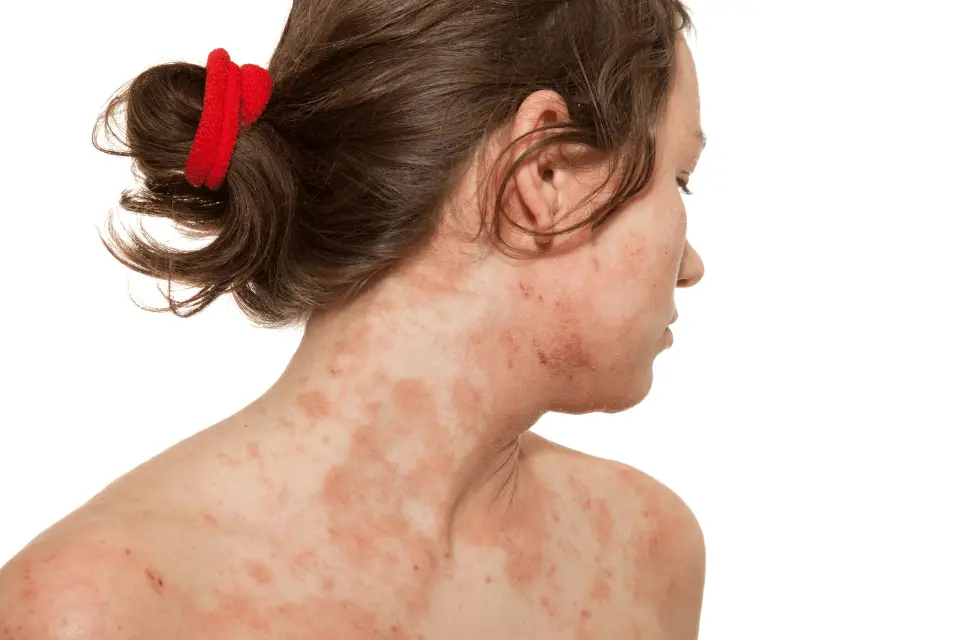
Dermatitis simply means skin inflammation. The skin becomes irritated, leading to visible changes and uncomfortable sensations. Most forms share similar symptoms: redness, swelling, dryness, and intense itching. Some types cause blisters, scaling, or thickened skin patches that develop over time with repeated flare-ups.
The Difference Between Dermatitis and Eczema
Many people use these terms interchangeably, and that approach is mostly correct. Eczema is actually a type of dermatitis, specifically atopic dermatitis. Think of dermatitis as the umbrella category and eczema as one specific condition underneath it. All eczema is dermatitis, but not all dermatitis is eczema. Contact dermatitis from poison ivy, for example, differs from the chronic eczema that runs in families.
Visual Indicators and Physical Sensations
The appearance of dermatitis varies by type and severity. Acute cases often show red, weeping, or blistered skin. Chronic dermatitis tends to cause thick, leathery patches from repeated scratching. The itching can range from mild annoyance to severe discomfort that interferes with sleep and daily activities. Some people also experience burning or stinging sensations, particularly when irritants contact damaged skin.
Primary Types of Dermatitis
Understanding which type of dermatitis affects someone guides treatment decisions and helps identify triggers to avoid.
Atopic Dermatitis (Eczema)
This chronic condition typically begins in childhood and often accompanies allergies or asthma. The immune system overreacts to triggers, causing inflammation. Atopic dermatitis affects approximately 15% to 20% of children and 5% to 10% of adults worldwide. Common locations include the inner elbows, behind the knees, and on the face. Flare-ups come and go throughout life, though many children see improvement as they age.
Contact Dermatitis: Irritants vs. Allergens
Contact dermatitis develops when skin touches something harmful. Irritant contact dermatitis happens when substances directly damage the skin barrier, with common culprits including harsh soaps, cleaning products, and prolonged water exposure. Allergic contact dermatitis involves an immune reaction to specific substances like nickel, latex, or certain plants. The rash appears only where contact occurred, making it easier to identify triggers.
Seborrheic Dermatitis and Dandruff
Oily areas of the body host this condition, which appears on the scalp, face, and chest. Dandruff is actually a mild form of seborrheic dermatitis. The skin develops scaly, flaky patches that may look greasy or crusty. A yeast called Malassezia plays a role in triggering inflammation in susceptible individuals. This type tends to worsen during stressful periods or cold, dry weather.
Dyshidrotic and Nummular Variations
Dyshidrotic dermatitis creates small, intensely itchy blisters on the palms, fingers, and soles of feet. These blisters may last several weeks before drying and peeling. Nummular dermatitis produces distinctive coin-shaped patches of irritated skin, usually on the arms, legs, or torso. Both types can be stubborn and require consistent treatment approaches.
Get contact dermatitis treatment online today
A licensed doctor can review your symptoms and send a prescription to your pharmacy, often the same day.
- $39 video visit
- Insurance accepted
- 4.8 on Trustpilot
Related medications we prescribe
- Westcort hydrocortisone valerate
- Atarax hydroxyzine pamoate
- Deltasone prednisone
- Eucrisa crisaborole
Understanding Causes and Environmental Triggers
Multiple factors contribute to dermatitis development and flare-ups. Identifying personal triggers allows for better prevention strategies.
Genetic Predisposition and Immune Response
Family history strongly influences dermatitis risk. Genes affecting skin barrier function and immune regulation pass from parents to children. People with atopic dermatitis often have mutations in the filaggrin gene, which normally helps maintain the skin's protective barrier. When this barrier weakens, irritants and allergens penetrate more easily, triggering inflammation.
External Aggressors: Chemicals, Metals, and Fragrances
The environment contains countless potential triggers. Nickel in jewelry, belt buckles, and phone cases causes reactions in sensitive individuals. Fragrances in lotions, detergents, and air fresheners irritate many people. Preservatives in skincare products, hair dyes, and certain medications also provoke contact dermatitis. Keeping a symptom diary helps identify patterns between exposures and flare-ups.
The Role of Stress and Hormonal Changes
Emotional stress worsens many skin conditions, including dermatitis. Stress hormones alter immune function and increase inflammation throughout the body. Hormonal fluctuations during menstrual cycles, pregnancy, or menopause can trigger or intensify symptoms. Sleep deprivation compounds these effects by preventing the body from repairing damaged skin overnight.
Effective Strategies for Managing Flare-Ups
Treatment focuses on reducing inflammation, relieving symptoms, and preventing future episodes. Emerging biologics and targeted therapies are changing expectations for disease control and quality of life in atopic dermatitis, giving patients more options than ever before.
Immediate Relief via Topical Treatments
Over-the-counter hydrocortisone creams reduce mild inflammation and itching. Prescription-strength corticosteroids address more severe flare-ups but require careful use to avoid skin thinning. Non-steroidal options like tacrolimus and pimecrolimus work well for sensitive areas like the face. Newer topical agents such as crisaborole (a PDE4 inhibitor) and topical JAK inhibitors like ruxolitinib cream also provide effective alternatives for managing inflammation. For a comparison of available options, see our guide to eczema creams covering both OTC and prescription treatments. Cold compresses and colloidal oatmeal baths provide immediate comfort during acute episodes.
Restoring the Skin Barrier with Emollients
Moisturizing is non-negotiable for dermatitis management. Thick creams and ointments work better than lotions because they contain more oil and less water. Apply emollients immediately after bathing to lock in moisture. Look for products containing ceramides, which help rebuild the skin's natural barrier. Fragrance-free formulations prevent additional irritation.
Lifestyle Adjustments to Prevent Recurrence
Bathing habits matter significantly. Short, lukewarm showers cause less dryness than long, hot baths. Gentle, soap-free cleansers protect the skin barrier better than harsh soaps. Wearing soft, breathable fabrics like cotton reduces friction and irritation. Keeping fingernails short minimizes skin damage from scratching during sleep.
When to Consult a Dermatologist
Self-care works for mild cases, but certain situations require professional evaluation. Seek medical attention when symptoms interfere with sleep or daily activities. Signs of skin infection, including increased pain, warmth, pus, or fever, need prompt treatment. Dermatitis that spreads rapidly or fails to improve with over-the-counter treatments also warrants a doctor's visit.
Doctronic.ai offers convenient telehealth consultations for skin concerns. The AI-powered system helps users understand their symptoms and provides guidance on whether professional treatment is needed. For under $50, patients can connect with licensed physicians in most U.S. states.
Frequently Asked Questions
Most types of dermatitis are manageable but not curable. Symptoms can be controlled effectively with proper treatment and trigger avoidance. For a deeper look at long-term outcomes, see our overview of eczema management and what the science says. Many children with atopic dermatitis experience significant improvement or complete resolution as they grow older.
Dermatitis itself does not spread from person to person. The condition results from immune responses or barrier dysfunction, not infections. If a secondary bacterial infection develops in damaged skin, it could spread, but the underlying dermatitis cannot.
Food triggers vary widely between individuals. Common culprits include dairy, eggs, nuts, soy, and wheat. Elimination diets under medical supervision can help identify personal triggers. Not everyone with dermatitis has food-related flare-ups.
Duration depends on the type and severity. Mild flare-ups may resolve within a few days with treatment. More severe episodes can persist for weeks. Contact dermatitis usually clears within two to three weeks after the trigger is removed.
The Bottom Line
Dermatitis affects millions of people, but understanding its types, causes, and management strategies puts control back in patients' hands. For personalized guidance on skin concerns and convenient access to medical professionals, visit Doctronic.ai for AI-powered consultations and affordable telehealth visits available around the clock.
Related articles
Get advice about dermatitis
Chat Now