Diseases and Conditions
Omeprazole Side Effects Timeline: Week by Week Guide
May 17, 2026
5 min read

Medically reviewed by Veronica Hackethal | MD, MSc, Harvard University | University of Oxford | Columbia Vagelos College of Physicians and Surgeons on May 25th, 2026.
Published on March 25th, 2026. Updated on July 23rd, 2026.
Sun poisoning causes systemic symptoms like fever, chills, nausea, and severe dehydration that go beyond typical sunburn discomfort
Blistering, intense pain, and flu-like symptoms signal a serious reaction requiring medical evaluation
Certain medications, fair skin, and genetic factors significantly increase the risk of severe sun reactions
Seek emergency care for fever above 103°F (39.4°C), confusion, fainting, or signs of infection
Prevention through proper sun protection is far more effective than treating sun poisoning after it occurs
Not sure if your sunburn needs medical attention? Doctronic.ai offers free AI doctor visits and affordable telehealth consultations to evaluate your symptoms quickly
That red, tender skin after a beach day might seem like a minor inconvenience, but some sun exposure triggers a far more serious response. Understanding the difference between a standard sunburn and sun poisoning helps people recognize when their bodies need immediate attention. A severe sunburn can mimic an allergic reaction or the flu. In fact, sun poisoning causes symptoms that extend well beyond skin discomfort. When the body's reaction to UV radiation becomes systemic, the situation shifts from annoying to potentially dangerous. Doctronic.ai provides 24/7 access to medical guidance for anyone uncertain about their symptoms.
Sun poisoning describes a severe inflammatory reaction to ultraviolet radiation that affects the entire body, not just the skin. While a regular sunburn causes localized redness, warmth, and peeling, sun poisoning produces whole-body symptoms that can leave someone bedridden. The term isn't an official medical diagnosis but rather describes a constellation of symptoms indicating the body is overwhelmed by UV damage.
A standard sunburn involves localized DNA damage to skin cells, triggering inflammation at the burn site. The immune system responds by increasing blood flow to the area, causing redness and swelling. Sun poisoning occurs when this inflammatory response becomes systemic, flooding the bloodstream with inflammatory chemicals that affect multiple organ systems. The body essentially treats severe UV exposure like an infection or injury requiring a full immune mobilization. This explains why people with sun poisoning feel genuinely ill rather than simply uncomfortable.
The hallmark of sun poisoning is feeling sick throughout the entire body. Fever develops as the immune system ramps up its response to widespread cellular damage. Chills often accompany the fever, creating an uncomfortable cycle of feeling too hot and too cold. Extreme fatigue sets in because the body diverts enormous energy toward healing damaged tissues. Nausea, headaches, and body aches round out the picture, making sun poisoning feel remarkably similar to influenza.
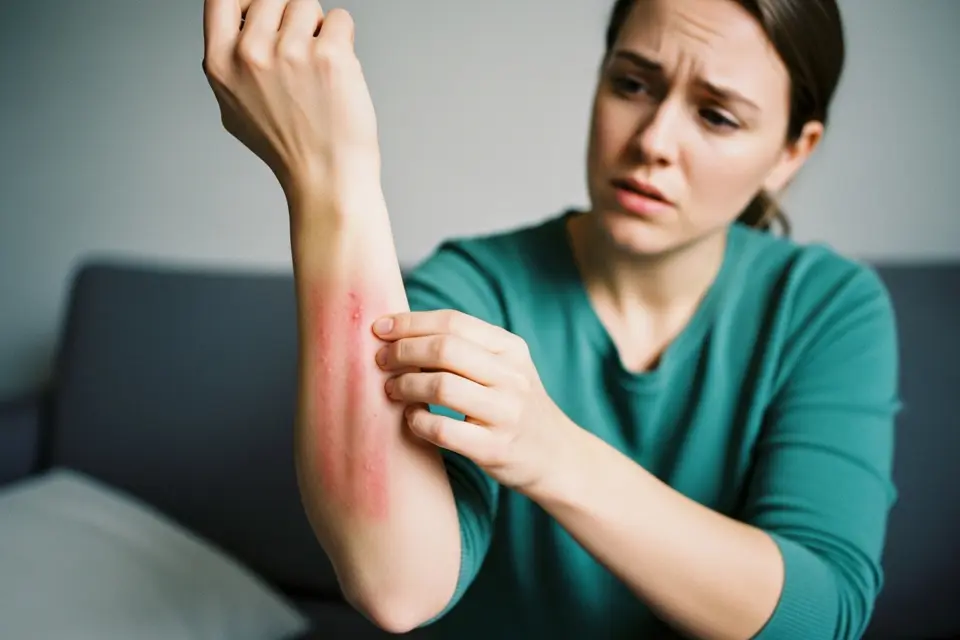
The skin damage in sun poisoning goes deeper than typical sunburn. Large, fluid-filled blisters may form across affected areas, indicating second-degree burns. The pain level exceeds that of a normal sunburn, often described as burning or throbbing, and interferes with sleep. Swelling can be significant, particularly on the face, hands, and feet. A single blistering sunburn, especially during childhood or adolescence, can greatly increase the lifetime risk of melanoma later in life. Knowing when to seek help for severe sunburn symptoms can prevent dangerous complications.
Severe sun exposure depletes the body's fluid reserves through sweating and increased skin permeability. Warning signs include dark urine, dizziness when standing, rapid heartbeat, and dry mouth that persists despite drinking water. Electrolyte imbalances due to fluid loss can cause muscle cramps, weakness, and an irregular heartbeat. These symptoms require prompt attention because dehydration worsens all other sun poisoning symptoms.
PMLE is an itchy, bumpy rash that appears hours to days after sun exposure. Unlike standard sunburn, it occurs even after relatively brief sun contact and affects areas typically covered by clothing. The rash consists of small red bumps, raised patches, or blisters that can spread across the chest, arms, and legs. PMLE tends to recur each spring when skin first encounters strong sunlight after the winter months. People with this condition need gradual sun exposure to build tolerance rather than sudden intense exposure.
Solar urticaria produces immediate hives within minutes of sun exposure. The raised, itchy welts appear on sun-exposed skin and typically fade within hours of getting out of the sun. This rare condition represents a true allergic response to UV radiation. Severe cases can cause anaphylaxis-like reactions with difficulty breathing and drops in blood pressure. Anyone experiencing hives with breathing problems after sun exposure needs emergency medical care.
Dozens of common medications dramatically increase sun sensitivity. Antibiotics like doxycycline and ciprofloxacin are frequent culprits. Diuretics, certain blood pressure medications, and some antidepressants also increase risk. Nonsteroidal anti-inflammatory drugs like ibuprofen and naproxen can cause photosensitive reactions. Retinoids used for acne make skin extremely vulnerable to UV damage. Anyone starting a new medication should ask their pharmacist about photosensitivity risks.
Fair-skinned individuals with light eyes and hair burn faster and more severely than those with darker complexions. People with Celtic ancestry face a particularly high risk. Those with a history of severe sunburns are more likely to experience sun poisoning again. Certain genetic conditions affecting DNA repair mechanisms make some individuals extraordinarily sensitive to UV radiation. Doctronic.ai can help assess personal risk factors and recommend appropriate sun protection strategies.
Sun poisoning can progress to heat stroke, a life-threatening emergency. Medical professionals recommend seeking immediate attention for a fever above 103°F (39.4°C). Blisters that become cloudy, develop pus, or show red streaking indicate infection requiring antibiotics. Rapid heartbeat, rapid breathing, and extreme thirst suggest dangerous dehydration. Vomiting that prevents fluid intake creates a medical emergency requiring IV fluids.
Any mental status changes after severe sun exposure demand emergency evaluation. Confusion, disorientation, or difficulty speaking suggest heat stroke affecting the brain. Fainting or near-fainting episodes indicate the cardiovascular system is struggling to compensate. Severe headache with neck stiffness can signal dangerous brain swelling. These symptoms require immediate evaluation in the emergency room rather than waiting to see if they improve.
Cool baths and compresses provide immediate relief for burning skin. Aloe vera gel and over-the-counter hydrocortisone cream reduce inflammation. Oral pain relievers like acetaminophen help manage discomfort and fever. Aggressive fluid intake with water and electrolyte drinks combats dehydration. Loose, soft clothing prevents friction on damaged skin. Complete sun avoidance until healing is complete prevents additional damage. Doctronic.ai offers guidance on home treatment and can help determine when professional care becomes necessary.
Broad-spectrum sunscreen with SPF 30 or higher, ideally SPF 50 for extended exposure, applied generously and reapplied every two hours, forms the foundation of prevention. Seeking shade during peak UV hours between 10 AM and 4 PM significantly reduces exposure. Protective clothing, wide-brimmed hats, and UV-blocking sunglasses provide physical barriers. Gradual sun exposure early in the season helps skin build some natural protection. Checking medication labels for photosensitivity warnings prevents unexpected severe reactions.

Mild cases improve within three to five days with proper care. Severe cases with extensive blistering may take two weeks or longer to heal completely. Systemic symptoms like fever and fatigue typically resolve within a few days, while skin healing takes longer.
Repeated severe sunburns increase skin cancer risk and accelerate skin aging. A single episode typically heals without lasting effects, but the cumulative damage from multiple severe burns adds up over a lifetime.
Sun poisoning is not contagious. The symptoms result from UV radiation damage to an individual's skin and immune response, not from any infectious agent.
People with darker skin can develop sun poisoning, though it requires more intense or prolonged exposure. Melanin provides some natural protection, but no skin type is immune to UV damage.
Blisters should never be intentionally popped. The fluid inside protects healing skin underneath, and breaking blisters increases infection risk. If a blister breaks naturally, keep the area clean and covered.
Sun poisoning symptoms signal that the body is experiencing a serious reaction requiring attention beyond typical sunburn care. Recognizing the difference between minor discomfort and dangerous symptoms can prevent complications. For questions about sun-related symptoms or any health concerns, visit Doctronic.ai for free AI doctor consultations or affordable telehealth visits with licensed physicians available around the clock.
Check symptoms of sun poisoning
Chat Now
Join 50,000+ readers using Doctronic to understand symptoms, medications,
and next steps.
Add your phone number below to get health updates and exclusive VIP offers.
By providing your phone number, you agree to receive SMS updates from Company. Message and data rates may apply. Reply “STOP” to opt-out anytime. Read our Privacy Policy and Terms of Service for more details.
Save your consults. Talk with licensed doctors and manage your health history.