
Sprained Finger: How to Treat It and When to Get an X-Ray

Medically reviewed by Oghenefejiro Okifo | MD, Harvard Medical School | Henry Ford Hospital - Detroit, MI on May 24th, 2026.
Published on April 17th, 2026. Updated on July 24th, 2026.
Key takeaways
A sprained finger involves stretched or torn ligaments, causing pain, swelling, and stiffness that usually improves with proper home care
The POLICE protocol (Protection, Optimal Loading, Ice, Compression, Elevation) should begin immediately after injury
Buddy taping provides effective support by securing the injured finger to an adjacent healthy finger
Warning signs that require an x-ray include visible deformity, inability to move the joint, numbness, or pale skin
Most mild sprains heal within two to four weeks, while severe sprains may take six to eight weeks with rehabilitation
Doctronic.ai offers telehealth visits to help determine whether a finger injury needs professional attention
Understanding Finger Sprains and Their Treatment
A jammed finger during basketball practice or a slip while closing a car door can leave anyone wondering whether they have a simple sprain or something more serious. The thumb and little finger are the most frequently injured digits in sports-related hand trauma, making accurate assessment especially important for injuries to these areas. Knowing how to properly treat a sprained finger and recognizing when imaging is necessary can mean the difference between a quick recovery and lasting joint problems.
Recognizing the Symptoms of a Sprained Finger
Common Signs to Watch For
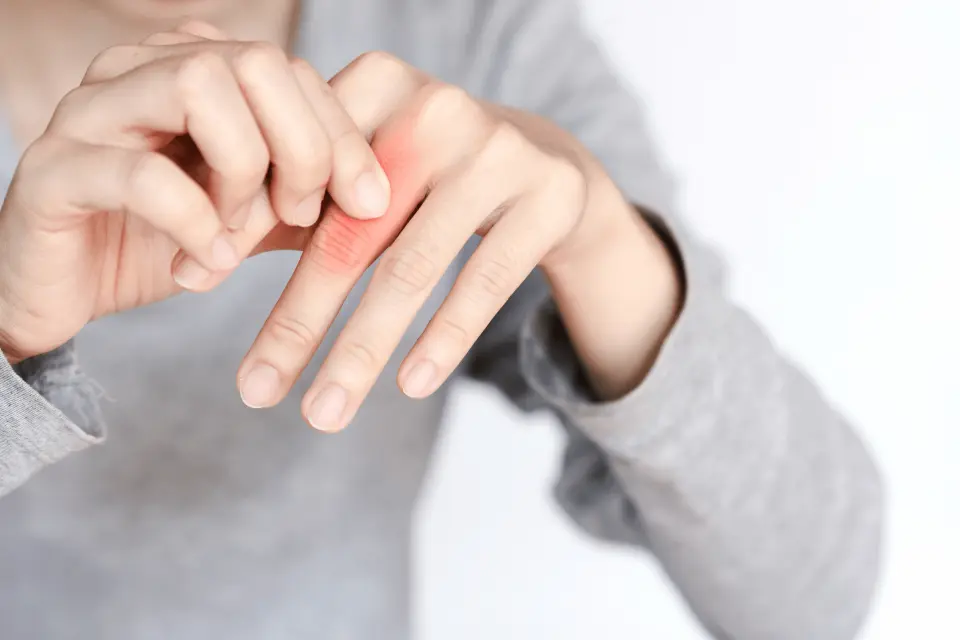
Pain hits immediately when a finger ligament gets injured. The affected joint swells within minutes, and the skin may appear red or bruised. Stiffness makes bending or straightening the finger difficult, and the joint often feels tender to the touch. These symptoms can appear with both sprains and fractures, which is why careful evaluation matters.
Understanding Grades of Ligament Tears
Doctors classify finger sprains into three grades based on severity:
Grade 1 sprains involve stretched ligaments with mild pain and minimal swelling
Grade 2 sprains mean partial ligament tears with moderate pain, noticeable swelling, and some joint instability
Grade 3 sprains involve complete ligament ruptures with severe pain, significant swelling, and obvious joint looseness
Understanding which grade applies helps determine whether home treatment will work or medical intervention becomes necessary.
Immediate First Aid and Home Care
The POLICE Protocol for Soft Tissue Injuries
The POLICE method has largely replaced the older RICE approach as the current standard for treating soft tissue injuries at home:
Protection means avoiding activities that could worsen the injury
Optimal Loading encourages gentle, pain-free movement to promote healing
Ice applied for fifteen to twenty minutes every two to three hours reduces swelling and numbs pain
Compression with an elastic bandage provides support without cutting off circulation
Elevation above heart level helps fluid drain away from the injured area
Buddy Taping Technique
Buddy taping works by securing the injured finger to a healthy neighboring finger for support. Place a small piece of gauze or foam between the fingers to prevent skin irritation. Wrap medical tape around both fingers above and below the injured joint, avoiding the joint itself to allow some movement. The tape should feel snug but not tight enough to cause numbness or color changes. Check the tape several times daily and replace it if it becomes wet or loose.
Over-the-Counter Pain Management
Ibuprofen and naproxen reduce both pain and inflammation, making them effective choices for the first few days after injury. Acetaminophen controls pain but does not address swelling. Follow package directions carefully and avoid taking these medications longer than recommended without consulting a healthcare provider.
When to Get an X-Ray
Visible Deformity and Misalignment
A finger that looks crooked, bent at an unusual angle, or shorter than normal needs immediate x-ray evaluation. These visible changes often indicate a finger fracture rather than a simple sprain. Even subtle misalignment warrants imaging because untreated fractures can heal improperly and cause permanent dysfunction.
Inability to Move or Straighten the Joint
Complete inability to bend or straighten the finger suggests possible bone or tendon damage beyond a typical sprain. While pain naturally limits movement after any injury, a person with a sprain can usually move the finger at least slightly. Total loss of movement, especially when trying to straighten the fingertip, requires professional evaluation.
Numbness, Tingling, or Pale Skin
Nerve or blood vessel involvement creates symptoms that go beyond typical sprain presentation. Numbness, tingling, or a pins-and-needles sensation indicates potential nerve compression or damage. Pale, white, or bluish skin suggests compromised blood flow. These symptoms require urgent medical attention regardless of how the injury occurred.
Professional Diagnosis and Medical Procedures
A healthcare provider examines the injured finger by checking for swelling, bruising, and tenderness at specific locations. Range of motion testing reveals which movements cause pain and whether the joint moves through its full arc. Stability testing involves gently stressing the ligaments to detect looseness or complete tears.
X-rays show bones clearly but cannot visualize ligaments or tendons. When x-rays appear normal but significant injury is suspected, ultrasound or MRI may be ordered. Ultrasound allows real-time visualization of soft tissues and can show ligament tears or fluid collections. MRI provides detailed images of all structures and helps with surgical planning when operative repair becomes necessary.
Recovery Timeline and Rehabilitation
Gentle Stretching to Restore Mobility
Once initial pain and swelling decrease, gentle stretching prevents stiffness and scar tissue formation. Start by slowly bending and straightening the finger within a pain-free range. Gradually increase movement over several days as comfort allows. Warm water soaks before stretching help loosen tissues and make exercises more comfortable.
Strengthening Exercises for Grip and Pinch
After mobility returns, strengthening exercises rebuild muscle function around the joint. Squeezing a soft ball or putty improves grip strength. Pinching exercises using clothespins or therapy putty restore fine motor control. Progress slowly and stop any exercise that causes sharp pain. Most people regain full function within four to eight weeks depending on injury severity.
Preventing Future Finger and Hand Injuries
Proper technique during sports and work activities reduces injury risk significantly. Athletes should use appropriate protective equipment like finger splints or tape during high-risk activities. Warming up before physical activity increases blood flow and makes tissues more flexible. Strengthening hand muscles through regular exercises creates better joint stability, much like the rehabilitation strategies used for ligament injuries in other joints.
Frequently Asked Questions
Mild sprains typically need buddy taping for two to three weeks. More severe sprains may require four to six weeks of immobilization. Remove the tape briefly each day to check skin condition and perform gentle range of motion exercises if approved by a healthcare provider.
Minor sprains often heal on their own, but untreated moderate or severe sprains can result in chronic pain, stiffness, and joint instability. Proper treatment speeds recovery and reduces the risk of long-term problems.
Severe ligament tears can actually cause more long-term problems than simple fractures. Bones heal predictably with immobilization, while completely torn ligaments may require surgical repair and extensive rehabilitation.
Use ice for the first 48 to 72 hours to reduce swelling and pain. After the initial inflammatory phase passes, gentle heat can help relax tissues before stretching exercises. Never apply ice or heat directly to skin without a protective barrier.
The Bottom Line
A sprained finger usually heals well with proper home care, but certain warning signs, like visible deformity, inability to move the joint, or numbness, require professional evaluation and imaging. For personalized guidance on any finger injury, Doctronic.ai offers telehealth visits that can help determine the best next steps for treatment.
Related articles
Get pain relief advice
Chat Now