
Scalp Eczema: Causes, Treatment, and How to Manage Flare-Ups

Medically reviewed by Oghenefejiro Okifo | MD, Harvard Medical School | Henry Ford Hospital - Detroit, MI on May 24th, 2026.
Published on April 17th, 2026. Updated on July 23rd, 2026.
Key takeaways
Scalp eczema presents as redness, flaking, itching, and crusting and affects millions of people in the United States
Two main types exist: seborrheic dermatitis (linked to yeast overgrowth and oily skin) and atopic dermatitis (immune-related, often accompanied by eczema elsewhere on the body)
Medicated shampoos containing ketoconazole, zinc pyrithione, or selenium sulfide are first-line treatments for most people
Natural approaches like diluted tea tree oil and coconut oil can soothe mild symptoms between medicated treatments
Stress management, gentle hair care routines, and avoiding harsh ingredients help prevent recurring flare-ups
For ongoing scalp concerns that are not responding to over-the-counter care, Doctronic.ai connects you with licensed providers who can recommend prescription-strength options.
Questions about scalp eczema?
Free. Anonymous. Built by doctors.
This article covers general information. Ask Doctronic about your symptoms, medications, side effects, or treatment options.
What Is Scalp Eczema?
Scalp eczema refers to inflammatory skin conditions of the scalp that cause itching, scaling, and redness. The symptoms range from mild flaking to severe crusting and weeping sores. Most people experience periods of improvement followed by flare-ups triggered by various factors.
Seborrheic Dermatitis vs. Atopic Dermatitis
Seborrheic dermatitis is the most common form of scalp eczema. It appears as greasy, yellowish scales concentrated along the hairline, behind the ears, and on the crown. The condition is linked to an overreaction of the immune system to Malassezia yeast, which naturally lives on everyone's scalp.
Atopic dermatitis on the scalp tends to produce drier, more intensely itchy patches and often accompanies eczema elsewhere on the body. It follows allergic patterns and tends to run in families. Knowing which type is present helps determine the most effective treatment approach.
Scalp eczema encompasses three main types of inflammation: seborrheic dermatitis, contact dermatitis, and atopic dermatitis, each with distinct triggers and treatment needs.
What Scalp Eczema Looks Like
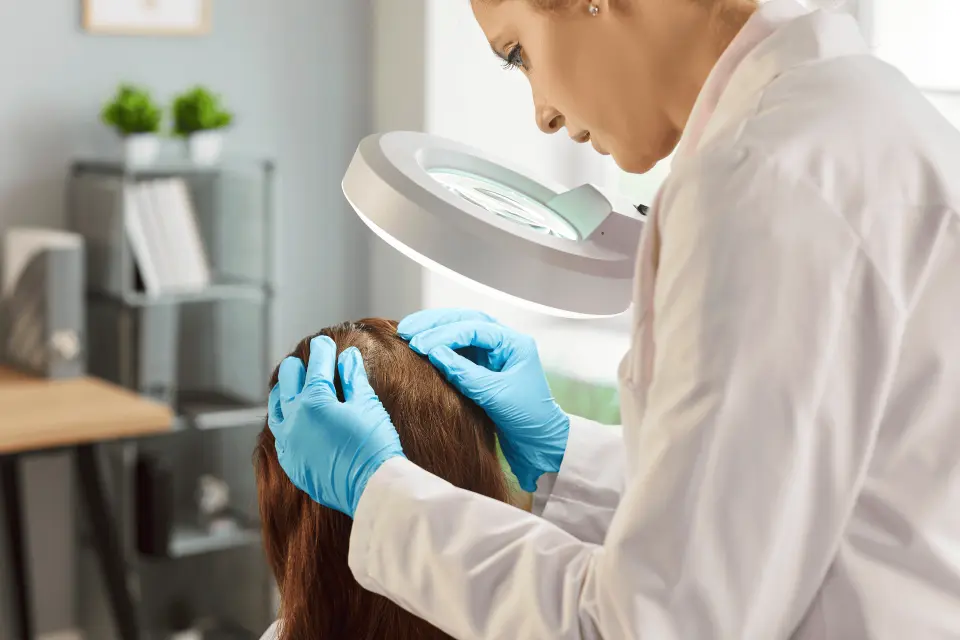
The visual presentation includes several distinct features. Redness appears as pink or red patches visible through the hair, especially along the hairline. Flaking ranges from fine white scales to thick, waxy yellow crusts that stick to hair shafts. In severe cases, weeping areas form crusts when they dry. Some people notice temporary hair thinning in affected areas due to scratching and inflammation. The itching often intensifies at night, disrupting sleep.
Causes and Triggers
The Role of Malassezia Yeast
Malassezia yeast lives naturally on everyone's scalp, feeding on skin oils. In people with seborrheic dermatitis, the immune system overreacts to this yeast, triggering inflammation. This explains why oily areas of the scalp experience the worst symptoms. The yeast produces byproducts that irritate sensitive skin, creating the characteristic redness and scaling. Antifungal treatments work by reducing yeast populations and calming the immune response.
Genetic Factors
Family history plays a significant role in eczema susceptibility. People with relatives who have eczema, asthma, or hay fever face higher risks. The immune system in affected individuals responds abnormally to common triggers, creating excessive inflammation. Skin barrier function is often compromised as well, allowing irritants to penetrate more easily. These genetic factors cannot be changed, but they can be managed with consistent treatment.
Environmental Triggers
Environmental factors frequently spark flare-ups in people predisposed to scalp eczema. Cold, dry weather strips moisture from the scalp. Hot, humid conditions increase sweating and yeast growth. Stress hormones directly affect immune function and skin inflammation. Hair products containing sulfates, fragrances, and alcohol irritate sensitive scalps. Hard water mineral buildup can also worsen symptoms over time.
Atopic dermatitis flares are frequently triggered by environmental exposures, and careful product selection is one of the most impactful lifestyle changes patients can make.
Talk to a doctor about scalp eczema
Connect with a licensed doctor online to talk through your symptoms, understand your treatment options, and find out which medications may be available through telehealth.
- $39 video visit
- Insurance accepted
- 4.8 on Trustpilot
Medical Treatments
Medicated Shampoos
Medicated shampoos form the foundation of scalp eczema treatment. Ketoconazole shampoos directly target Malassezia yeast and reduce inflammation. Zinc pyrithione has both antifungal and antibacterial properties that calm irritated scalps. Selenium sulfide slows skin cell turnover to reduce flaking. These shampoos work best when left on the scalp for several minutes before rinsing. Rotating between different active ingredients can prevent the scalp from developing reduced sensitivity to any single formula.
Coal tar preparations are now less commonly recommended due to potential irritation and safety concerns, though they may still help with thick scaling under medical supervision.
Topical Corticosteroids
Prescription-strength topical steroids quickly reduce inflammation during severe flare-ups. Solutions, foams, and lotions designed for the scalp penetrate hair easily without leaving residue. Short-term use of medium-potency steroids is safe and effective for most people. Long-term daily use can thin the skin and cause other side effects. Dermatologists often recommend using steroids intensively for one to two weeks, then switching to maintenance therapy with medicated shampoos.
Prescription Options for Stubborn Cases
Oral antifungal medications may be prescribed for cases that do not respond to topical treatments. These address yeast overgrowth from the inside. Antihistamines help control itching, especially nighttime scratching, which can worsen damage. Newer non-steroidal prescription treatments offer additional options for people who cannot use corticosteroids. Doctronic provides 24/7 access to doctors who can evaluate symptoms and prescribe appropriate medications through telehealth visits.
Home Remedies and Scalp Care
Soothing Natural Oils
Tea tree oil has natural antifungal properties that can reduce Malassezia yeast when diluted properly in a carrier oil. Coconut oil moisturizes dry, flaky scalps and has mild antimicrobial effects. Aloe vera gel soothes inflammation and itching when applied directly to affected areas. These approaches work best for mild symptoms or as maintenance between medicated treatments. Always patch test new products to ensure they do not cause additional irritation.
For more natural remedy options, the Doctronic post on essential oils for eczema covers how to use plant-based oils safely as a complement to medical treatment.
Scalp Hydration
Keeping the scalp properly moisturized prevents dryness that triggers flare-ups. Apply lightweight, fragrance-free moisturizers after washing. Avoid over-washing, which strips natural oils and disrupts the skin barrier. Using a humidifier during dry winter months helps maintain scalp moisture. Drinking adequate water supports overall skin hydration from within.
Managing Flare-Ups
Building a Gentle Wash Routine
Wash hair two to three times weekly using lukewarm rather than hot water. Use sulfate-free, fragrance-free shampoos on non-treatment days. Massage shampoo gently into the scalp without scratching. Rinse thoroughly to remove all product residue, since buildup can worsen irritation. Pat hair dry rather than rubbing vigorously with a towel.
Diet and Stress
Anti-inflammatory foods like fatty fish, leafy greens, and berries may help reduce overall inflammation. Some people find that limiting sugar and processed foods improves their symptoms. Stress reduction through exercise, meditation, or adequate sleep directly impacts flare-up frequency. Keeping a symptom diary helps identify food and stress triggers specific to each individual.
When to See a Dermatologist
Professional evaluation becomes necessary when over-the-counter treatments fail after several weeks of consistent use. Signs requiring medical attention include spreading symptoms, signs of infection like oozing or crusting, noticeable hair loss, and severe or worsening pain. Dermatologists can perform skin tests to confirm the diagnosis and rule out other conditions, such as psoriasis, which can look similar but requires different treatment.
Frequently Asked Questions
No, scalp eczema cannot spread from person to person through contact. The condition results from individual immune responses and genetic factors, not infectious agents. You cannot catch it from someone else or pass it on.
Temporary hair thinning may occur in affected areas due to inflammation and scratching. Proper treatment typically allows hair to regrow normally once the condition is controlled. Permanent loss is uncommon when the condition is treated appropriately.
With appropriate treatment, most flare-ups improve within two to four weeks. Without treatment, symptoms may persist indefinitely or worsen over time. Consistent maintenance care between flare-ups reduces how often they occur.
Yes, scalp eczema commonly affects infants as cradle cap (a form of seborrheic dermatitis) and can occur at any age. Treatment approaches differ for young children, so pediatric guidance is important before using medicated shampoos on infants.
Hair dye chemicals can irritate sensitive scalps and trigger flare-ups. Waiting until symptoms are fully controlled and patch testing products first reduces the risk of reactions. Some people tolerate gentler, fragrance-free formulas better than standard dyes.
The Bottom Line
Scalp eczema responds well to consistent treatment combining medicated shampoos, gentle care routines, and trigger avoidance. Identifying whether seborrheic or atopic dermatitis is the underlying cause helps guide treatment choices. For personalized support or prescription options, Doctronic.ai offers free AI consultations and telehealth visits with licensed providers available around the clock.
Related articles
Explore treatment options
Chat Now