
Retin-A Cream: Uses, Side Effects, and What to Expect

Medically reviewed by Oghenefejiro Okifo | MD, Harvard Medical School | Henry Ford Hospital - Detroit, MI on May 24th, 2026.
Published on April 17th, 2026. Updated on July 23rd, 2026.
Key takeaways
Retin-A is a brand name for tretinoin, a topical retinoid derived from vitamin A. It is available by prescription only.
It is FDA-approved for treating acne and is also widely used for photoaging (fine lines, uneven skin tone, and rough texture from sun damage).
A "retinization" period of four to eight weeks is normal when starting Retin-A, with dryness, peeling, redness, and increased sensitivity before the skin adjusts.
Retin-A should not be used during pregnancy. It is not safe in nursing mothers, either.
Starting with a low concentration (0.025% or 0.05%) and using it two to three nights per week allows the skin to adjust and reduces early side effects.
Doctronic.ai connects you with a licensed physician who can prescribe tretinoin and guide you through the adjustment process in a real-time online visit.
What Is Retin-A?
Retin-A (tretinoin) belongs to a class of compounds called retinoids, which are derivatives of vitamin A. It was first approved by the FDA in 1971 for the treatment of acne and photoaging. Since then, it has become one of the most studied topical skincare ingredients, with decades of clinical research supporting its effectiveness for both acne and photoaging.
Unlike over-the-counter retinol products, tretinoin does not need to be converted by the skin into an active form. It binds directly to retinoid receptors and produces its effects at lower concentrations. This is why tretinoin tends to work faster and produce more noticeable results than OTC retinol at comparable concentrations, and also why its side effect profile is more pronounced.
Retin-A is available as a cream, gel, and microsphere gel. The cream formulation is better tolerated by people with dry or sensitive skin. The gel formulation is often preferred for oily or acne-prone skin because it is lighter and less occlusive.
What Retin-A Is Used For
Acne
Tretinoin works on acne through multiple mechanisms. It normalizes the turnover of cells inside the pore, which prevents the dead cell buildup that forms comedones (blackheads and whiteheads). It also reduces the adhesiveness of skin cells in the follicular canal, making existing plugs easier to clear.
Retin-A is particularly effective for comedonal acne (clogged pores rather than inflamed pimples), though it is used for all acne types. It is often combined with topical antibiotics or benzoyl peroxide for inflammatory acne. Dermatologists also prescribe it as a long-term maintenance therapy after active acne is controlled, because it prevents new comedones from forming.
An initial "purge" is common in the first four to eight weeks. This occurs when tretinoin accelerates cell turnover and pushes pre-existing microcomedones (forming blockages not yet visible at the surface) to the surface faster than they would naturally. This looks like a temporary breakout but is a sign that the medication is working.
Photoaging
Tretinoin is the most evidence-backed topical treatment for photoaging. Clinical trials dating back to the 1980s documented its ability to improve fine lines, lighten age spots and hyperpigmentation, and smooth rough skin texture with consistent long-term use.
It works by stimulating collagen synthesis in the dermis (the deeper layer of skin), normalizing epidermal cell turnover, and reducing the accumulation of abnormal cells in sun-damaged skin. These effects take time. Most studies show meaningful improvement in fine lines and texture after 12 to 24 weeks of consistent use, with continued improvement over years.
Retin-A also thins the outer layer of dead skin cells (the stratum corneum), which contributes to the brighter, smoother appearance that patients notice in the first few weeks, often before collagen-building effects are apparent.
Actinic Keratoses
Tretinoin is sometimes used as part of treatment for actinic keratoses (pre-cancerous sun-damaged patches), though other treatments such as liquid nitrogen and topical fluorouracil are more commonly used as the primary approach.
Side Effects
The Retinization Period
Most new Retin-A users experience a retinization period: a stretch of four to eight weeks during which the skin is adjusting to the medication. During this time, expect:
Dryness and flaking, especially around the nose and mouth
Redness, which can look like a mild sunburn
Peeling
Increased sensitivity to touch, heat, and sun exposure
Possible worsening of acne (the purge, described above)
These effects are normal and expected. They do not indicate that tretinoin is damaging the skin. Most users find that symptoms peak around weeks three to four and then gradually subside as the skin adapts. Starting at a lower frequency (two to three nights per week instead of nightly) and a lower concentration reduces the severity of this adjustment period.
Sun Sensitivity
Retin-A increases sensitivity to ultraviolet radiation. Choosing the right sunscreen matters: mineral vs. chemical sunscreen explains which formulas work best for sensitive, retinoid-treated skin. Daily broad-spectrum SPF 30 or higher sunscreen is not optional while using tretinoin. It is essential. Even incidental sun exposure (driving, walking to a car) can cause more redness and irritation than it would otherwise.
Irritation With Other Active Ingredients
Combining tretinoin with other exfoliating or active ingredients, including alpha-hydroxy acids (AHAs), beta-hydroxy acids (BHAs), and benzoyl peroxide, can compound irritation during the adjustment period. Many dermatologists recommend introducing tretinoin alone first, then adding other actives once the skin has adapted.
Who Should Not Use Retin-A
Retin-A is contraindicated in pregnancy due to evidence of teratogenicity (birth defects) in animal studies. Tretinoin prescribing guidelines indicate that topical retinoids should be avoided during pregnancy due to teratogenicity risk established in animal studies. Women who may become pregnant should use reliable contraception while using tretinoin.
Retin-A is also not recommended during breastfeeding. People with eczema or rosacea should use it only under close medical supervision, as their skin barrier is often compromised and more reactive.
How to Use Retin-A
Starting Protocol
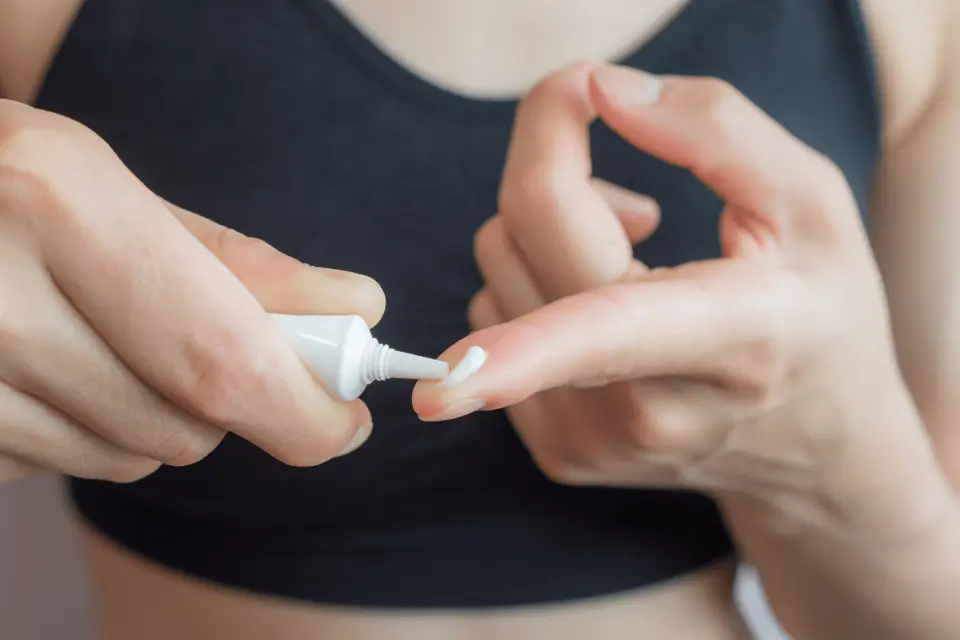
Begin with the lowest available concentration (usually 0.025% cream) and apply a pea-sized amount to the entire face two to three evenings per week. After four to six weeks with minimal irritation, you can increase to every other night, and then to nightly use if tolerated.
Apply tretinoin to clean, dry skin. Wet skin absorbs the medication faster and can intensify irritation. Wait 20 to 30 minutes after washing your face before applying.
Use a gentle, fragrance-free moisturizer after tretinoin to mitigate dryness. Some dermatologists recommend the "sandwich method": moisturizer, then tretinoin, then moisturizer again, to buffer sensitivity in the early weeks.
What to Avoid
Avoid the eye area, corners of the mouth, and nostrils, where the skin is thinner and more prone to irritation.
Do not use on sunburned, windburned, or actively broken skin.
Do not combine with other retinoids or strong exfoliants without medical guidance.
Managing Expectations
Retin-A is a long-term treatment, not a quick fix. For acne, most patients see meaningful improvement within eight to twelve weeks. For photoaging, the timeline for visible results is longer. Research indicates that significant improvement in wrinkling requires at least 24 weeks of consistent use, with continued improvement over a full year.
Frequently Asked Questions
Most patients see noticeable improvement in acne within eight to twelve weeks. The initial purge period (weeks one to four) may cause a temporary increase in breakouts before clearing begins. Consistency is key: stopping during the purge and restarting prolongs the adjustment period.
Eventually, yes, for most people. Starting nightly is not recommended because it increases the risk of significant irritation. Build up gradually over eight to twelve weeks, starting at two to three nights per week and increasing as tolerated.
You do not need to stop, but daily SPF becomes even more important. Sun exposure significantly increases Retin-A's side effects and can worsen the sensitivity it causes. With consistent sunscreen use, tretinoin can be used year-round.
Most dermatologists start new users at 0.025% cream or 0.05% cream. Higher concentrations (0.1%) are sometimes prescribed for severe acne or photoaging but are more irritating. The right concentration depends on your skin's tolerance and the condition being treated.
The under-eye area is thinner and more sensitive than the rest of the face. Tretinoin can be used carefully in this area by some patients for fine lines, but it requires a separate conversation with your prescribing physician, as the risk of irritation is higher.
Retinol must be converted by the skin into retinoic acid (the active form) before it can produce effects. Retin-A is already retinoic acid. This means tretinoin works faster and at lower concentrations, but it also produces more pronounced initial side effects. Retinol is a reasonable starting point for people who cannot tolerate prescription tretinoin.
The Bottom Line
Retin-A is one of the most effective topical treatments for acne and sun damage, but results require patience. The retinization period is uncomfortable, and meaningful improvement takes months. Starting low, going slow, and using daily sunscreen and a gentle moisturizer gives you the best chance of tolerating it.
Because tretinoin requires a prescription, Doctronic.ai connects you with licensed physicians online to discuss whether it is right for your skin.
Related articles
Get skin care advice
Chat Now