
Reclaiming Intimacy: Understanding and Improving Libido After Menopause

Medically reviewed by Veronica Hackethal | MD, MSc, Harvard University | University of Oxford | Columbia Vagelos College of Physicians and Surgeons on April 23rd, 2026.
Published on February 27th, 2026. Updated on September 11th, 2026.
Key takeaways
A study found that approximately 60% of women experience lower sex drive at the start of menopause transition, making this a common and treatable concern
Vaginal dryness increases from about 30% in perimenopause to roughly 50% in menopause, directly affecting comfort and desire
Hormone therapy options include both systemic and localized treatments, with testosterone showing promise for libido restoration
Lifestyle changes like exercise, nutrition, and stress management can significantly boost sexual vitality
Open communication with partners and redefining intimacy beyond penetration creates more satisfying experiences
Doctronic offers 24/7 telehealth consultations to discuss menopause symptoms privately and conveniently
Understanding the Journey to Restored Intimacy After Menopause
Menopause marks a significant shift in a woman's body, and sexual desire often takes an unexpected hit. About 60% of women experienced a lower sex drive at the beginning of their menopause transition. This statistic reveals an important point: declining libido is not a personal failing. It is a biological reality that millions of women face.
The good news? Understanding why these changes happen opens the door to effective solutions. Women can absolutely improve their libido after menopause through a combination of medical treatments, lifestyle adjustments, and honest communication. This guide breaks down exactly what happens during menopause and provides practical strategies for reclaiming intimacy.
The Biological Shift: How Menopause Affects Desire
The Role of Estrogen and Testosterone Decline
Estrogen and testosterone both play critical roles in sexual desire. When estrogen levels drop during menopause, blood flow to the genitals decreases, sensitivity diminishes, and natural lubrication declines. Testosterone, often overlooked in women's health, directly influences sex drive. Considering testosterone if hormone therapy alone does not restore libido or energy, as testosterone is linked to sex drive, musculoskeletal health, and cognitive function.
Physical Changes and Genitourinary Symptoms
Without adequate estrogen, vaginal tissue becomes thinner and less elastic. Vaginal dryness prevalence rises from about 30% in perimenopause to around 50% in menopause. This dryness causes discomfort and even pain during intercourse. Many women begin avoiding intimacy altogether simply because it hurts.
Impact of Night Sweats and Sleep Deprivation
Chronic sleep disruption from night sweats creates a cascade of problems. Exhausted women rarely feel interested in sex. Poor sleep also increases cortisol levels, which further suppresses libido. Addressing sleep quality becomes essential for restoring desire.
 Navigating the Psychological and Emotional Landscape
Body Image and Self-Esteem in the Post-Menopausal Years
Weight redistribution, skin changes, and hair thinning can shake a woman's confidence. Feeling unattractive makes it difficult to feel desirable. Working on self-acceptance and focusing on what the body can do rather than how it looks helps rebuild sexual confidence.
Addressing Anxiety, Depression, and Mood Swings
Hormonal fluctuations trigger mood changes that directly impact desire. Anxiety creates tension that blocks arousal. Depression drains interest in activities that once brought pleasure. Treating these underlying conditions often restores sexual interest naturally.
The Impact of Relationship Dynamics and Partner Support
Long-term relationships face unique challenges during menopause. Partners may feel rejected or confused by changes in intimacy. Open conversations about what is happening physically and emotionally prevent misunderstandings and strengthen the connection.
Medical Interventions and Hormone Therapy
Systemic vs. Localized Hormone Replacement Therapy (HRT)
Systemic HRT treats whole-body symptoms through pills, patches, or gels. Localized therapy targets vaginal symptoms specifically through creams, rings, or tablets. Many women benefit from combining both approaches. Doctronic can help women understand their options and prepare questions for their healthcare providers.
Non-Hormonal Prescription Options
Women who cannot take hormones have alternatives. Ospemifene treats painful intercourse without estrogen. Certain antidepressants, such as paroxetine or venlafaxine, can help with hot flashes and mood symptoms. Vaginal moisturizers and lubricants provide non-prescription relief for dryness.
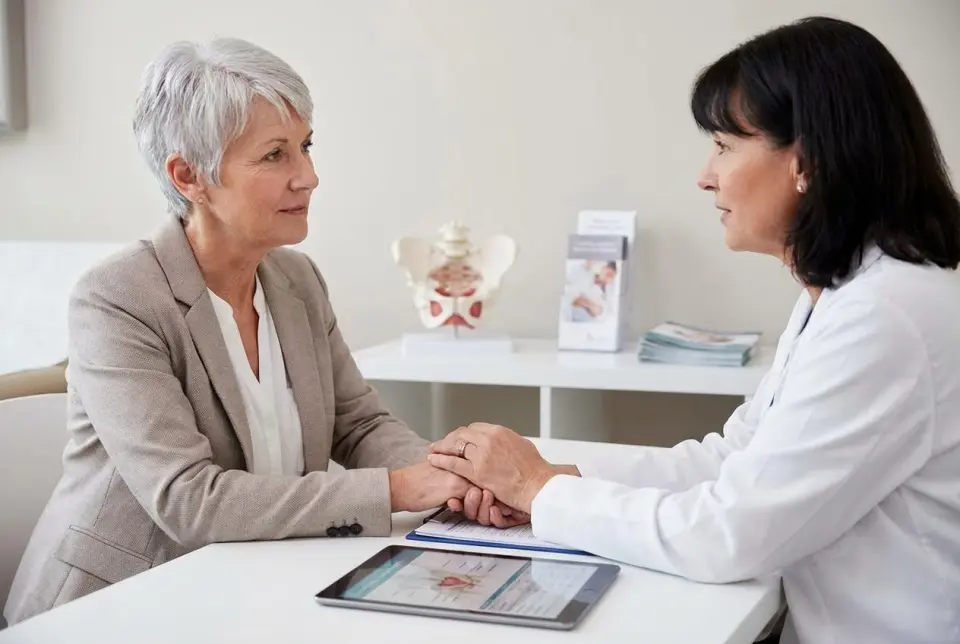
Consulting Specialists: Gynecologists and Sexual Health Experts
Not all doctors receive adequate training in menopause management. Seeking out certified menopause practitioners or sexual health specialists ensures access to the latest treatments. An OB-GYN recommends rediscovering what libido means to you and finding new ways to transform arousal and moments of intimacy.
Lifestyle Adjustments to Boost Sexual Vitality
Nutritional Support and Libido-Enhancing Supplements
Phytoestrogens found in soy, flaxseed, and legumes may provide mild hormonal support. Omega-3 fatty acids improve blood flow and mood. Some women find benefit from maca root or DHEA supplements, though evidence remains mixed. Always discuss supplements with a healthcare provider first.
The Connection Between Physical Exercise and Arousal
Exercise increases blood flow throughout the body, including to the genitals. Strength training helps maintain testosterone levels. Yoga improves flexibility and body awareness. Even 30 minutes of moderate activity three times weekly can noticeably improve sexual response.
Stress Management and Mindfulness Techniques
Chronic stress kills libido faster than almost anything else. Meditation, deep breathing, and progressive muscle relaxation activate the parasympathetic nervous system. This relaxation response is necessary for arousal to occur. Making stress reduction a daily practice pays dividends in the bedroom.
Practical Strategies for Enhancing Physical Intimacy
Utilizing Lubricants and Moisturizers Effectively
Water-based lubricants work well with condoms and toys. Silicone-based options last longer and feel more natural. Vaginal moisturizers used several times weekly maintain tissue health between sexual encounters. Experimenting with different products helps find the best fit.
Redefining Sex Beyond Penetration
Penetrative sex is not the only form of intimacy. Oral sex, manual stimulation, massage, and mutual masturbation provide pleasure without discomfort. Many couples discover that expanding their definition of sex actually improves satisfaction for both partners.
Communicating Needs and Boundaries with Partners
Direct communication prevents frustration and hurt feelings. Telling a partner exactly what feels good and what does not removes guesswork. Scheduling intimate time ensures it does not get pushed aside by busy lives. Vulnerability strengthens connection.
Embracing a New Chapter of Sexual Wellness
Menopause does not end a woman's sex life. It simply requires adaptation and intentionality. Many women report that sex after menopause becomes more satisfying once they address the physical changes and communicate openly with partners. The freedom from pregnancy concerns and often from childcare responsibilities can actually enhance intimacy.
Taking action matters. Whether that means starting hormone therapy, trying new lubricants, or having honest conversations with a partner, small steps lead to meaningful improvements. For women who want convenient, private guidance on menopause symptoms, Doctronic offers 24/7 telehealth consultations with licensed physicians for under $40. Over 10 million people have used this service to get personalized medical advice without the hassle of traditional appointments.
Frequently Asked Questions
Low libido can persist indefinitely without treatment, but most women see improvement within weeks to months of starting appropriate interventions. Hormone therapy typically shows results within 8–12 weeks.
Absolutely. Quality lubricants dramatically reduce friction and discomfort. Many women find that addressing dryness alone restores their interest in intimacy because sex no longer causes pain.
For healthy women under 60 or within 10 years of menopause onset, HRT benefits typically outweigh risks. Individual health history determines safety. A healthcare provider can assess personal risk factors.
Including partners helps them understand the physical reality of menopause. This knowledge often increases empathy and patience. Couples who approach menopause as a team generally fare better.
Some women find relief through phytoestrogens, regular exercise, and stress reduction. Results vary significantly. These approaches work best for mild symptoms rather than severe cases.
The Bottom Line
Low libido after menopause is common but treatable. Hormonal support, lifestyle changes, and open communication can significantly improve intimacy and sexual satisfaction. For personalized guidance on your options, Doctronic.ai offers convenient 24/7 telehealth consultations to help you take the next step with confidence.
Related articles
Get sexual health advice
Chat Now