
Perioral Dermatitis Treatment: How to Clear Up This Stubborn Facial Rash

Medically reviewed by Oghenefejiro Okifo | MD, Harvard Medical School | Henry Ford Hospital - Detroit, MI on May 24th, 2026.
Published on April 17th, 2026. Updated on July 23rd, 2026.
Key takeaways
Perioral dermatitis is a common inflammatory skin condition affecting roughly 1 to 2 percent of people annually, with young women accounting for 70 to 90 percent of cases.
Stopping all topical steroids is the single most important first step, even though this causes a temporary rebound flare before improvement begins.
The "zero therapy" approach, eliminating all facial products for one to four weeks, allows the skin barrier to reset without interference.
Topical antibiotics like metronidazole and erythromycin are the primary prescription treatments, working through anti-inflammatory rather than antibacterial mechanisms.
Oral antibiotics, including low-dose doxycycline, address stubborn cases that do not respond to topical treatment alone.
For help identifying this rash and getting the right prescription, Doctronic.ai offers free AI consultations and affordable telehealth visits with licensed physicians.
That Stubborn Rash Around Your Mouth Has a Name
Red, bumpy, scaly skin clustered around the mouth, nose, or eyes can feel impossible to treat. Many people spend months applying different creams and products, only to watch the rash worsen. This frustrating condition is perioral dermatitis, and understanding what it is and what makes it worse is the first step toward clearing it.
Getting the right diagnosis matters because perioral dermatitis is frequently mistaken for acne, eczema, or rosacea. Each of those conditions requires a different treatment approach, and some remedies that help one condition actively worsen perioral dermatitis. A dermatologist or a consultation through Doctronic.ai can help distinguish this rash from similar-looking conditions before you start treatment.
Symptoms and Common Triggers
Identifying the Red Bumps and Scaling Patterns
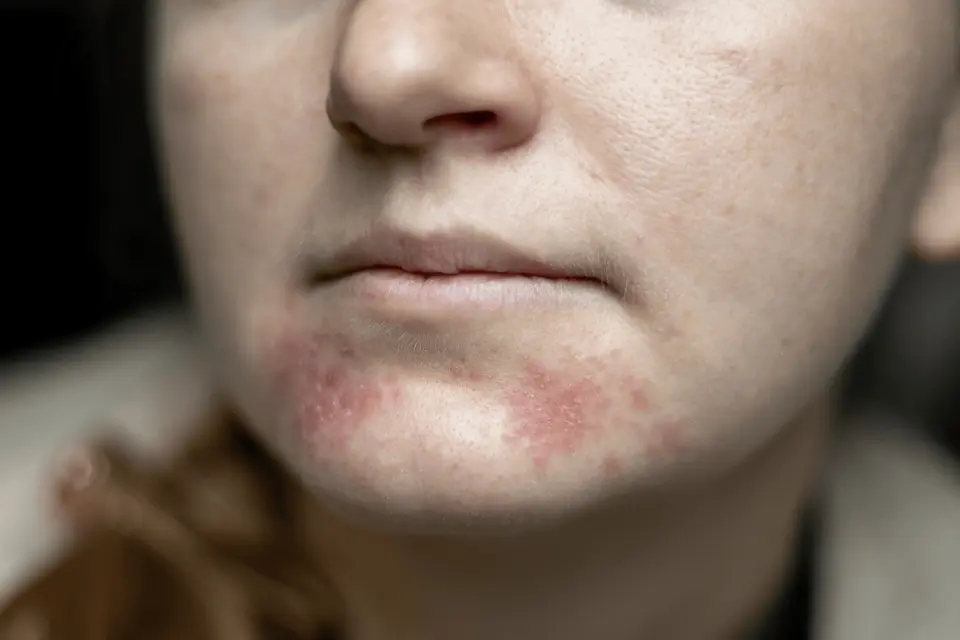
The hallmark of perioral dermatitis is clusters of small, red or flesh-colored papules surrounding the mouth. These bumps often carry a slightly scaly or flaky surface. One distinctive feature is a clear zone of normal skin directly bordering the lips, with the rash beginning just beyond that margin. The affected area feels rough, almost sandpaper-like, and the skin may appear slightly swollen.
Many people report sensing the rash before seeing it clearly. There is often a particular feeling: itchy, burning, and tingly across the bottom of the nose and chin area, sometimes preceding visible bumps by several days.
The Role of Topical Steroids
Topical steroid creams are the most common culprit behind perioral dermatitis. When people apply hydrocortisone or prescription-strength steroid creams to a facial rash, symptoms initially improve. But the rash returns worse than before once the steroid is stopped, creating a frustrating cycle of temporary relief followed by rebound flaring.
Perioral dermatitis develops from a combination of triggers, including topical steroids, heavy moisturizers, and fluorinated toothpaste, and an accurate diagnosis guides the right treatment approach.
Fluoridated Toothpaste and Other Irritants
Fluoridated toothpaste has been suggested as a trigger for some individuals, though the evidence is inconsistent. Sodium lauryl sulfate (SLS), a foaming agent in many toothpaste formulas, has been more strongly associated with flare-ups. Switching to an SLS-free toothpaste may reduce recurrence in sensitive individuals.
Heavy facial creams, occlusive moisturizers, and certain foundations also contribute. Inhaled corticosteroid sprays for asthma can cause perioral dermatitis around the nose and mouth when not rinsed properly after use.
Hormonal and Environmental Factors
Hormonal fluctuations explain why perioral dermatitis disproportionately affects women. Flare-ups commonly coincide with menstruation, pregnancy, or changes in birth control. Stress also plays a significant role: cortisol spikes can trigger or worsen outbreaks in susceptible individuals.
The Zero Therapy Approach
Eliminating All Active Ingredients and Products
Zero therapy is the foundational first step. The approach means stopping all skincare products on the face, including moisturizers, serums, makeup, and especially any steroid creams. The skin needs a period of complete rest without exposure to potentially irritating ingredients.
During zero therapy, washing with plain water or a very gentle, fragrance-free cleanser is the only skincare step. Dermatologists typically recommend maintaining this approach for one to four weeks, depending on severity.
Managing the Rebound Flare
Stopping topical steroids triggers a rebound flare that can be alarming. The rash usually worsens significantly during the first one to two weeks before any improvement appears. This withdrawal phase requires patience.
Cool compresses provide temporary relief during the worst of the flare. Keeping the face cool, avoiding hot showers, and sleeping on a clean pillowcase each night helps reduce inflammation. The most important thing is resisting the urge to apply something to calm the skin, because doing so restarts the cycle.
Get perioral dermatitis treatment online today
A licensed doctor can review your symptoms and send a prescription to your pharmacy, often the same day.
- $39 video visit
- Insurance accepted
- 4.8 on Trustpilot
Dermatologist-Recommended Medical Treatments
Topical Antibiotics
Metronidazole gel or cream is the most commonly prescribed topical treatment. Applied once or twice daily, it reduces inflammation and typically clears the rash within six to twelve weeks. Erythromycin topical solution offers an alternative for those who do not respond to metronidazole.
These antibiotics work through anti-inflammatory mechanisms rather than by targeting bacteria. They calm the immune response in the skin without the rebound effects associated with steroids. Doctronic.ai can connect patients with licensed physicians who prescribe these treatments through convenient telehealth appointments.
Oral Antibiotics for Stubborn Cases
When topical treatments alone are insufficient, oral antibiotic treatment becomes the next step. Low-dose doxycycline, minocycline, or tetracycline taken for several weeks can clear resistant cases. At sub-antimicrobial doses, these medications act primarily through anti-inflammatory pathways.
Treatment duration typically runs six to twelve weeks. Taking the medication with food minimizes stomach upset. Anyone taking oral antibiotics should avoid lying down immediately afterward to reduce the risk of esophageal irritation.
Calcineurin Inhibitors as Steroid Alternatives
Tacrolimus and pimecrolimus are prescription creams that reduce inflammation without the rebound effects of steroids. These calcineurin inhibitors work particularly well for perioral dermatitis in people whose condition was triggered by steroid use. Initial burning or stinging upon application typically improves with continued use.
Safe Skincare for Sensitive, Rash-Prone Skin
Choosing Ultra-Gentle Cleansers and Moisturizers
Once the acute phase resolves, rebuilding a minimal skincare routine prevents recurrence. Cleansers should be fragrance-free, free of essential oils, and sodium lauryl sulfate-free. Moisturizers should be simple and non-comedogenic. Ceramide-based formulas help repair the skin barrier without heavy occlusive ingredients.
Mineral vs. Chemical Sunscreens
Chemical sunscreens containing oxybenzone, avobenzone, or octinoxate can irritate healing skin. Mineral sunscreens using zinc oxide or titanium dioxide sit on the skin's surface rather than being absorbed into it, making them a gentler choice. Formulas specifically designed for sensitive or rosacea-prone skin offer adequate protection without triggering new flares.
For related reading on how facial rashes are diagnosed and differentiated from one another, the Doctronic.ai blog post on perioral dermatitis covers the clinical presentation and healing process in more depth.
Preventing Recurrence
Dietary Considerations
Emerging research suggests gut health may influence inflammatory skin conditions. Probiotic-rich foods, including yogurt, kefir, and fermented vegetables, could reduce flare frequency in some people. That said, clinical evidence supporting specific dietary eliminations such as gluten or dairy for perioral dermatitis remains limited and mixed as of 2026.
Reintroducing Makeup and Skincare Actives
Wait until the skin is completely clear for at least 4 weeks before reintroducing any products. Add one new item at a time, waiting two weeks between additions to identify triggers. Mineral makeup is generally better tolerated than liquid foundations. Retinoids and other active ingredients should be reintroduced last, only with guidance from a dermatologist.
Frequently Asked Questions
Most cases resolve within six to twelve weeks with proper treatment. Stopping topical steroids typically causes temporary worsening before improvement begins. Staying consistent with prescribed treatment and avoiding known triggers speeds the process.
The rash can extend to the area around the nose and eyes, sometimes called periorificial dermatitis. It does not spread through contact and is not contagious.
No. Both conditions produce facial bumps, but perioral dermatitis features smaller, more uniform papules with scaling and a distinctive distribution around the mouth. Acne involves comedones, pustules, and cysts with a different distribution pattern and different triggers.
Yes. Children can develop this condition, often triggered by inhaled steroid medications or heavy lip balm use. Treatment approaches are similar to adults but may require adjusted medication dosages depending on the child's age and weight.
Stop applying any topical steroid to the affected area, including over-the-counter hydrocortisone. This is the most critical step, even though it will cause a short-term worsening before the skin begins to heal.
The Bottom Line
Perioral dermatitis clears with patience, accurate diagnosis, and targeted treatment that avoids steroids. The process is not quick, but it is reliable when the right steps are followed. For personalized guidance on managing this stubborn facial rash, Doctronic.ai offers free AI doctor consultations and affordable telehealth visits with licensed physicians available around the clock.
Related articles
Explore treatment options
Chat Now