COVID-19
New Treatments for Long COVID in 2026: Latest Medical Breakthroughs
May 17, 2026
7 min read

Medically reviewed by Lauren Okafor | MD, The Frank H Netter MD School of Medicine, Loyola University Medical Center on April 15th, 2026.
Published on March 18th, 2026. Updated on July 23rd, 2026.
Ice therapy and elevation can reduce gout pain by 40-60% within the first hour
Drinking 8-12 glasses of water daily helps flush uric acid crystals from joints
Over-the-counter NSAIDs like ibuprofen are more effective than acetaminophen for gout inflammation
Complete rest of the affected joint prevents further crystal irritation and speeds recovery
A gout flare can strike suddenly, causing excruciating pain that makes even the lightest touch unbearable. The intense burning and throbbing often peaks within hours, leaving you searching for immediate relief. While professional medical care may be necessary for severe cases, specific home management strategies can provide meaningful relief and help you navigate the acute phase more comfortably. Doctronic's AI-powered platform offers 24/7 guidance for managing gout flares when you need help most.
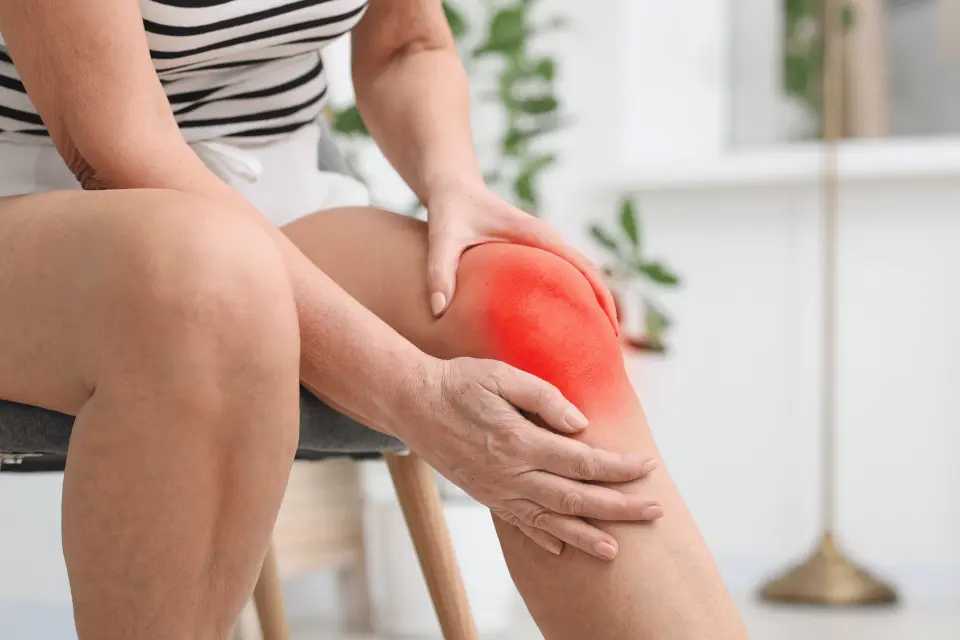
A gout flare occurs when uric acid crystals accumulate in joints, triggering an intense inflammatory response. These needle-shaped crystals irritate joint tissues, causing the characteristic burning pain, swelling, and redness. The big toe is most commonly affected, though flares can strike ankles, knees, wrists, and fingers.
Gout flares typically peak within 12-24 hours and can last 3-10 days without proper management. The pain often feels like the joint is on fire, with even a bedsheet's weight becoming unbearable. Understanding this timeline helps you prepare for what's ahead and take decisive action.
Early home intervention can reduce flare duration by 30-50% compared to no treatment. The sooner you begin managing inflammation and supporting your body's healing processes, the faster you'll find relief. Home management also bridges the crucial gap between flare onset and professional medical consultation, preventing unnecessary suffering while you arrange appropriate care.
You can safely manage gout at home when pain is localized to one joint and you have a previous gout diagnosis. Familiar symptoms in typical locations like the big toe or ankle indicate a standard flare that responds well to home treatment. Having dealt with gout pain at night before gives you valuable experience in recognizing patterns.
However, seek emergency care immediately if fever exceeds 100.4°F or you experience chills alongside joint pain. These symptoms suggest possible joint infection, which requires urgent antibiotic treatment. Unlike simple gout flares, infections can cause permanent joint damage if left untreated.
Call your doctor right away if skin becomes increasingly red, hot, and shows signs of infection around the affected joint. Red streaking extending from the joint indicates spreading infection. Additionally, if multiple joints are affected simultaneously for the first time, this warrants immediate medical evaluation to rule out other conditions.
Emergency care is also needed if you cannot bear any weight on the affected joint or if standard home remedies fail to provide any relief after 24-48 hours.
The first step is applying ice packs for 15-20 minutes every 2-3 hours to reduce inflammation and numb pain. Wrap ice in a thin towel to prevent skin damage, and never apply ice directly to skin. The cold temperature slows blood flow to the area, reducing both swelling and pain signals.
Elevate the affected joint above heart level whenever possible to promote drainage and reduce swelling. If your big toe is affected, lie down and prop your foot on pillows. For ankle or knee involvement, use a reclining chair or bed with leg elevation. This position helps gravity move excess fluid away from the inflamed joint.
Take NSAIDs like ibuprofen (600-800mg) or naproxen (220-440mg) following package directions for your weight and age. These medications directly target the inflammatory process causing your pain. Unlike acetaminophen, NSAIDs reduce both pain and inflammation. Start treatment as soon as symptoms begin for maximum effectiveness.
Create a protective barrier around the joint using pillows or loose clothing to prevent accidental contact. Even minor bumps can trigger intense pain waves during an active flare.
Hydration becomes critical during a gout attack. Drink 12-16 cups of water daily to help your kidneys flush excess uric acid from your system. This increased fluid intake dilutes uric acid concentration in blood and urine, reducing crystal formation. Spread your water intake throughout the day rather than drinking large amounts at once.
Strict bed rest for affected joints prevents further crystal irritation and allows healing to progress. Even light pressure can restart the inflammatory cascade, extending your flare duration. If the big toe is affected, avoid walking whenever possible. Use crutches or a walking aid if you must move around.
Dietary modifications can support your recovery. Avoid trigger foods like red meat, organ meats, shellfish, and alcohol during active flares. These foods are high in purines, which break down into uric acid and can worsen symptoms. Focus on low-purine options like vegetables, fruits, whole grains, and low-fat dairy products.
Consider natural pain relief techniques like meditation and relaxation exercises to help cope with discomfort. Stress can worsen inflammation, so managing your mental response to pain supports physical healing.
Use loose-fitting shoes or go barefoot to prevent pressure on affected joints, especially if dealing with toe involvement.
Understanding the differences between home management and professional medical treatment helps you make informed decisions about your care. This comparison shows what each approach offers:
Treatment Type |
Pain Relief Timeline |
Anti-Inflammatory Effect |
Cost |
|---|---|---|---|
Home Ice/Elevation |
30-60 minutes |
Moderate |
Free |
OTC NSAIDs |
1-2 hours |
Good |
$5-15 |
Prescription Colchicine |
2-4 hours |
Excellent |
$50-200 |
Steroid Injection |
15-30 minutes |
Excellent |
$200-500 |
Home remedies effectively manage pain and inflammation but cannot address underlying uric acid metabolism issues. Professional treatment includes prescription medications like colchicine and corticosteroids that target gout-specific inflammatory pathways. These medications often provide faster, more complete relief than over-the-counter options.
However, home management remains valuable as a first-line approach and complement to professional care. Many people successfully manage mild to moderate flares entirely at home, saving time and healthcare costs while maintaining comfort.
If home remedies don't provide noticeable improvement within 48-72 hours, or if pain becomes unbearable despite treatment, contact your healthcare provider. Doctronic can provide immediate guidance on whether your symptoms warrant urgent care or if adjusted home treatment might help.
No, heat typically worsens gout inflammation and pain. Ice is the preferred temperature therapy because it reduces blood flow to the affected area, limiting inflammatory response. Heat increases circulation and can intensify the inflammatory process during active flares.
Never combine different NSAIDs like ibuprofen and naproxen, as this increases bleeding and stomach ulcer risks without improving effectiveness. Choose one NSAID and use it consistently at recommended doses. If one type doesn't help, consult a healthcare provider about alternatives.
Focus on low-purine foods like vegetables, fruits, whole grains, eggs, and low-fat dairy products. Cherries have anti-inflammatory properties that may help reduce gout symptoms. Avoid alcohol, red meat, organ meats, and high-fructose corn syrup during active flares.
Warning signs include fever over 100.4°F, chills, red streaking from the joint, multiple joints affected simultaneously, or inability to move the joint at all. These symptoms may indicate joint infection or other serious conditions requiring immediate medical attention.
Managing gout at home during a flare requires prompt action with ice therapy, elevation, proper hydration, and appropriate anti-inflammatory medications. While home remedies can provide effective relief for many people, understanding when to seek professional medical care prevents complications and ensures optimal recovery. The combination of immediate pain relief strategies, dietary modifications, and joint protection techniques helps minimize flare duration and intensity. Remember that distinguishing between typical gout symptoms and signs requiring emergency care protects your long-term joint health. Doctronic's AI-powered consultations provide 24/7 access to medical guidance, helping you navigate gout management decisions with confidence and ensuring you receive appropriate care when home remedies aren't sufficient.
Ready to take control of your health? Get started with Doctronic today.
Get personalized health advice
Chat Now
Join 50,000+ readers using Doctronic to understand symptoms, medications,
and next steps.
Add your phone number below to get health updates and exclusive VIP offers.
By providing your phone number, you agree to receive SMS updates from Company. Message and data rates may apply. Reply “STOP” to opt-out anytime. Read our Privacy Policy and Terms of Service for more details.
Save your consults. Talk with licensed doctors and manage your health history.