
How Dental Care Can Work With Telehealth

Medically reviewed by Alan Lucks | MD, Alan Lucks MDPC Private Practice - New York on July 23rd, 2026.
Published on July 13th, 2025. Updated on July 23rd, 2026.
Key takeaways
Virtual consultations work best for follow-up appointments, initial screenings, and patient education—saving patients an average of 1-2 hours per appointment by eliminating travel time.
Dentists can provide preliminary diagnoses by reviewing patient-submitted oral photographs and medical histories, though this method catches only 60-70% of issues compared to in-person exams.
AI-powered platforms analyze uploaded images to detect early signs of decay, gum inflammation, and other conditions, with some systems achieving 85% accuracy in cavity identification.
Physical limitations prevent remote diagnosis of cavities, gum disease severity, oral cancers, and bite problems—all requiring hands-on examination with dental instruments and X-rays.
Hybrid care models combine virtual screenings with necessary in-person visits, reducing overall treatment costs by 15-30% while maintaining diagnostic accuracy for complex conditions.
Teledentistry — dental care delivered via video, photos, or AI platforms — is making it easier to get oral health guidance without an in-office visit. From triaging a toothache to reviewing post-procedure healing, telehealth now covers a meaningful slice of dental care. Here's what's possible remotely, and where in-person care is still required.
The Rise of Telehealth in Dentistry
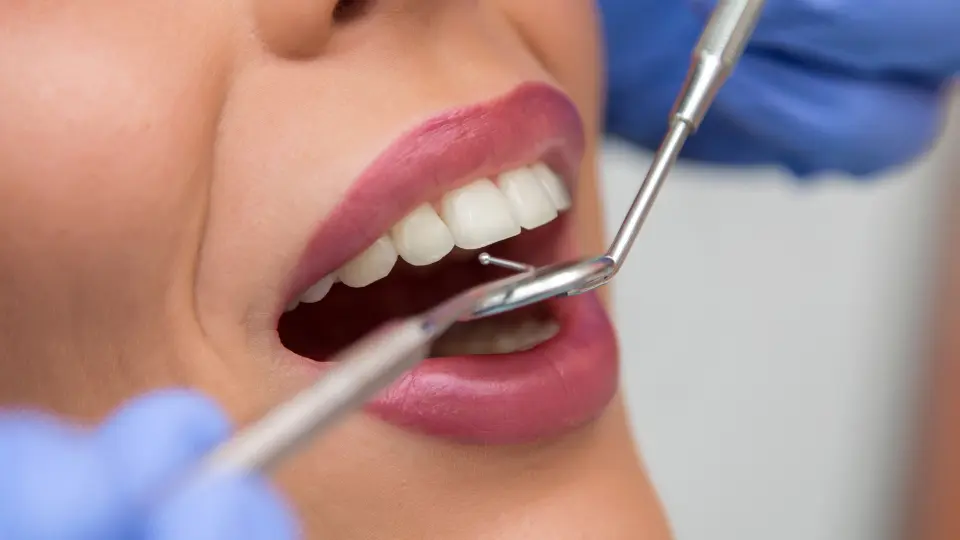
Telehealth has revolutionized how patients access healthcare services, and dentistry is no exception. Traditionally, dental care required in-person visits, which could be a barrier for many. However, with advancements in technology, patients can now connect with dental professionals from the comfort of their homes.
Telehealth in dentistry encompasses various services, including virtual consultations, follow-up appointments, and even remote monitoring of oral health conditions. This shift not only saves time but also reduces the anxiety associated with dental visits, making it an attractive option for many patients.
Virtual Consultations
One of the most significant benefits of telehealth in dental care is the ability to conduct virtual consultations. Patients can discuss their dental concerns with a qualified dentist via video calls, allowing for immediate feedback and advice. This is particularly useful for individuals who may have difficulty accessing a dental office due to distance, mobility issues, or time constraints.
During a virtual consultation, dentists can assess a patient's condition by asking questions, reviewing medical history, and even examining photographs or videos of the patient's mouth. This approach enables dentists to provide preliminary diagnoses and recommend appropriate next steps, whether that involves scheduling an in-person visit for further examination or suggesting at-home care. Furthermore, this method fosters a sense of continuity in care, as patients can build a rapport with their dentist, which is essential for effective treatment and trust.
Follow-Up Appointments
After a dental procedure, follow-up appointments are crucial for ensuring proper healing and addressing any concerns. Telehealth allows patients to have these follow-up appointments without the need to travel to the office. Dentists can check in with patients, assess their recovery, and address any complications or questions that may arise.
This convenience not only enhances patient satisfaction but also encourages individuals to adhere to their post-treatment care plans. With telehealth, patients are more likely to engage in their oral health, leading to better outcomes overall. Additionally, the ability to share real-time updates and images of their recovery can help dentists make informed decisions about ongoing care, potentially preventing complications before they escalate. As a result, telehealth not only streamlines the patient experience but also contributes to a more proactive approach to dental health management.
Enhancing Patient Education
Another vital aspect of dental care is patient education. Understanding oral health is essential for preventing issues and maintaining a healthy smile. Telehealth platforms can facilitate educational resources that empower patients to take charge of their dental hygiene. By providing easy access to information, patients can learn about the importance of regular check-ups, the impact of diet on oral health, and the correct techniques for brushing and flossing.
Through telehealth, dentists can share informative videos, articles, and personalized advice tailored to each patient's needs. This proactive approach fosters a collaborative relationship between patients and dental professionals, ultimately leading to improved oral health. Additionally, interactive tools such as quizzes and self-assessment checklists can engage patients further, making learning about their oral health both informative and enjoyable. This engagement not only enhances their understanding but also encourages them to take an active role in their dental care routine.
Access to Specialists
In some cases, patients may require specialized dental care that is not available in their local area. Telehealth bridges this gap by enabling patients to consult with specialists remotely. Whether it's an orthodontist, periodontist, or oral surgeon, telehealth allows patients to access expert opinions without the burden of travel. This is particularly advantageous for patients who may have mobility issues or those who are balancing busy schedules, as they can receive care from the comfort of their own home.
This accessibility can be particularly beneficial for individuals living in rural or underserved areas, where dental specialists may be scarce. By leveraging telehealth, patients can receive timely advice and treatment recommendations, ensuring they receive the care they need. Moreover, the ability to record and share consultations allows patients to revisit the information discussed, ensuring they fully understand their treatment options and can make informed decisions about their care.
Cost-Effective Solutions
Cost is often a significant concern when it comes to dental care. Telehealth can provide a more affordable alternative to traditional in-office visits. Many telehealth services, such as those offered by Doctronic, provide low-cost consultations that are accessible to a broader range of patients. This affordability can encourage patients who might otherwise avoid seeking care due to financial constraints to take the necessary steps towards maintaining their oral health.
Doctronic offers inexpensive telehealth visits that can be utilized for dental consultations. By reducing overhead costs associated with in-person visits, telehealth can make dental care more economically viable for patients, encouraging them to seek the care they need without financial strain. Furthermore, telehealth can streamline the process of follow-up appointments, reducing the need for multiple in-person visits and thereby saving patients both time and money. This innovative approach not only enhances patient satisfaction but also promotes a more sustainable model of dental care delivery in an increasingly digital world.
Challenges and Considerations
While the benefits of teledentistry are substantial, its limitations are equally important to understand. Most dental treatment — filling cavities, scaling for gum disease, extracting teeth, or screening for oral cancer — requires hands-on examination and in-person diagnostic tools. Teledentistry works best as a complement to traditional care, not a replacement. Patients should treat it as a triage and guidance layer: use it to assess urgency, get early advice, and decide whether an in-office visit is needed. For active pain, swelling, or any visible lesion, an in-person appointment remains essential.
Additionally, not all patients may have access to the necessary technology or internet connectivity to participate in telehealth consultations. This digital divide can create disparities in access to dental care, highlighting the need for continued efforts to ensure equitable access for all patients. Vulnerable populations, including the elderly and those in rural areas, may face additional barriers, such as a lack of familiarity with digital platforms. Addressing these challenges requires innovative solutions, such as community outreach programs that provide technological training and resources to those who need them most.
Regulatory and Insurance Issues
Another challenge facing telehealth in dentistry is the regulatory landscape. Each state has its own laws regarding telehealth practices, and navigating these regulations can be complex for dental professionals. Additionally, insurance coverage for telehealth services varies, which can impact patient willingness to utilize these services. Some insurance providers may not reimburse for telehealth consultations at the same rate as in-person visits, leading to confusion and hesitancy among patients. This inconsistency can deter patients from seeking care, particularly if they are unsure about the costs involved.
As telehealth continues to evolve, it is essential for policymakers to address these regulatory barriers and work towards creating a more standardized framework that supports telehealth in dentistry. This will help ensure that patients can access the care they need without unnecessary obstacles. Furthermore, collaboration between dental associations, insurance companies, and regulatory bodies can foster a more unified approach to telehealth, paving the way for comprehensive policies that promote its growth and sustainability in the dental field.
Integrating Telehealth with Traditional Care
Despite the challenges, integrating telehealth with traditional dental care can lead to a more comprehensive approach to patient health. Dentists can utilize telehealth for initial consultations, follow-ups, and patient education while reserving in-person visits for more complex procedures. This integration allows for better continuity of care, as patients can receive timely advice and support without the need for frequent office visits. For example, after a dental procedure, a dentist can follow up with a telehealth appointment to monitor healing and address any concerns, ensuring patients feel supported throughout their recovery process.
This hybrid model not only optimizes patient care but also enhances the efficiency of dental practices. By leveraging telehealth, dental professionals can streamline their workflows, reduce patient wait times, and ultimately improve patient satisfaction. Moreover, telehealth can facilitate the sharing of information between specialists and general practitioners, enabling a more collaborative approach to treatment planning. As dental practices continue to adapt to the evolving landscape of healthcare, embracing technology will be crucial in meeting the needs of patients and improving overall health outcomes in the community.
What Teledentistry Can — and Can't — Evaluate Remotely
Understanding the scope of teledentistry helps you use it effectively. Some oral health concerns translate well to a remote visit; others simply require a dentist to examine your mouth in person.
Conditions well-suited for remote evaluation:
Toothache triage. A virtual visit can help determine urgency — whether pain is likely from sensitivity, a cracked tooth, or a potential abscess — so you know whether to schedule same-day emergency care or monitor at home.
Gum assessment. Early signs of gum disease, such as redness, puffiness, or bleeding reported by the patient, can be discussed remotely. A dentist can advise on at-home care and flag whether an in-office cleaning or periodontal evaluation is warranted.
Post-procedure check-ins. After an extraction, root canal, or implant placement, a video follow-up lets your dentist assess healing through photos or live video and address pain management questions without requiring a return trip to the office.
Orthodontic monitoring. Many orthodontic practices now use teledentistry apps that let patients submit photos of their teeth between appointments, allowing the provider to track tooth movement and catch alignment issues early.
Dental anxiety counseling. Patients who avoid the dentist due to fear can use telehealth to build a relationship with a provider before an in-person visit, reducing stress and improving follow-through on care plans.
Medication and prescription questions. Dentists can review symptoms and, where state regulations allow, send prescriptions for antibiotics or pain management to a pharmacy electronically.
Conditions that require an in-person visit:
X-rays, physical probing for pocket depth, bite assessments, cavity detection, and oral cancer screenings all require tools and physical proximity that no video call can replicate. If you have swelling, an abscess, a broken tooth, bleeding that won't stop, or any new lump or sore in your mouth, see a dentist in person as soon as possible.
The clearest way to think about teledentistry: it handles the "should I be worried?" conversation and routine check-ins exceptionally well. It cannot do the physical work of dentistry.
See a doctor online today
A licensed doctor can review your symptoms online, talk through next steps, and send a prescription to your pharmacy if appropriate.
- $39 video visit
- Insurance accepted
- 4.8 on Trustpilot
Future of Dental Care with Telehealth
The future of dental care is undoubtedly intertwined with telehealth. As technology continues to advance, so too will the capabilities of telehealth services. Innovations such as artificial intelligence (AI) are already making waves in healthcare, and dentistry is no exception.
AI-powered platforms like Doctronic are revolutionizing patient care by providing instant access to medical expertise and personalized recommendations. By harnessing the power of AI, dental professionals can enhance their diagnostic capabilities and provide more accurate treatment plans.
Personalized Care Through AI
AI technology allows for a more personalized approach to dental care. By analyzing patient data, AI can identify trends and patterns that may indicate potential oral health issues. This proactive approach enables dentists to intervene early, preventing more severe problems down the line.
Moreover, AI platforms can remember patient preferences, previous consultations, and treatment histories, fostering a more personalized experience. This level of continuity in care is challenging to achieve in traditional settings but is made possible through telehealth solutions.
In addition to improving personalized care, AI can also facilitate the development of tailored educational resources for patients. By understanding individual risk factors and health behaviors, AI can deliver customized oral hygiene tips and preventive measures directly to patients. This targeted education empowers individuals to take charge of their oral health, leading to better outcomes and a more engaged patient population.
Expanding Access to Care
As telehealth becomes more widely accepted, it has the potential to expand access to dental care significantly. By breaking down geographical barriers and providing affordable options, telehealth can ensure that more individuals receive the dental care they need.
For those who have previously avoided dental visits due to fear, cost, or accessibility issues, telehealth offers a welcoming alternative. Patients can engage with dental professionals in a low-pressure environment, building trust and encouraging them to prioritize their oral health.
Furthermore, telehealth can also play a crucial role in addressing the disparities in dental care access among underserved communities. By providing remote consultations and follow-ups, dental professionals can reach patients in rural areas or those with limited mobility. This increased access not only helps to bridge the gap in healthcare equity but also promotes a culture of preventive care, which is essential for maintaining oral health in the long term.
The Digital Evolution of Oral Health
Telehealth is transforming the dental care landscape, offering innovative solutions that enhance accessibility, efficiency, and patient engagement. While challenges remain, the potential benefits of telehealth in dentistry are undeniable. As technology continues to evolve, integrating telehealth services with traditional dental care will pave the way for a more patient-centered approach to oral health.
For those seeking a convenient and cost-effective way to address their dental concerns, Doctronic provides an excellent resource. By leveraging the power of AI and telehealth, patients can access quality dental care from the comfort of their homes, ensuring that their oral health remains a priority.
In summary, the future of dental care is bright, with telehealth leading the charge towards a more accessible and personalized healthcare experience. Embracing these advancements will not only benefit patients but also contribute to a healthier society overall.
Experience the Future of Dental Care with Doctronic
Ready to revolutionize your dental health experience? Doctronic invites you to embrace the cutting-edge convenience of AI-driven telehealth. With our free AI doctor visits, you'll receive instant, personalized medical advice that you can trust. For those times when you need a human touch, our telehealth video visits offer unparalleled access to professional care, anytime, anywhere, for less than $40. Join over 10 million satisfied users and discover why Doctronic is the #1 AI Doctor. Skip the line. Talk to an AI Doctor Now, for free.
Frequently Asked Questions
Teledentistry is the delivery of dental care, consultation, and education through digital platforms — typically video calls, photos, or AI-powered tools. A patient shares symptoms, images, or concerns with a dental professional remotely, and the provider offers guidance, triage, or a prescription where appropriate. It works best for non-emergency evaluations, follow-up appointments, and early oral health questions.
A dentist can assess the likely cause of a toothache during a telehealth visit by asking about symptoms, reviewing photos, and evaluating your history. This helps determine urgency — for example, whether the pain suggests sensitivity or a potential abscess needing same-day care. A definitive diagnosis for most toothaches still requires an in-person exam and X-rays.
Coverage for teledentistry varies by insurer and state. Some dental plans now reimburse virtual consultations, particularly for triage and follow-up visits, but many still don't cover them at the same rate as in-person care. It's worth calling your insurer before a visit to confirm what's covered. Low-cost telehealth platforms like Doctronic can also make teledentistry affordable even without insurance.
Always seek in-person dental care for severe pain, facial swelling, a dental abscess, a broken or knocked-out tooth, uncontrolled bleeding, or any new lump or sore in your mouth. These conditions require physical examination, X-rays, or hands-on treatment that telehealth cannot provide. Teledentistry is best for triage, routine follow-ups, and guidance — not emergency or complex care.
Teledentistry can help identify early warning signs of gum disease — like bleeding gums, persistent bad breath, or visible redness — and guide you on at-home care until you see a dentist. However, treating gum disease typically requires in-person cleanings, pocket-depth measurements, and sometimes periodontal procedures. Use a virtual visit to assess urgency and get interim advice, but plan an in-office follow-up for any confirmed diagnosis.
The Bottom Line
Telehealth makes dental care more accessible for routine check-ins and education, but physical examinations remain essential for accurate diagnosis and treatment of most oral health problems. The most effective approach combines virtual convenience with traditional hands-on care when needed. If you're considering virtual dental consultations or have questions about oral health symptoms, Doctronic can help guide your next steps.
Related articles
Best Foods For Healing After Tooth Extraction: Complete Recovery Diet Guide





Lump Under Jaw or Chin: Causes, Red Flags & When to Seek Care

Get care for your symptoms
Chat Now