Part B enrollment is required along with residence in federally designated rural areas or Health Professional Shortage Areas (HPSAs) to qualify for covered telehealth sessions.
Covered services include initial evaluations, ongoing consultations via video or phone, educational materials, and remote monitoring of oxygen levels and respiratory symptoms.
A documented diagnosis of COPD, pulmonary fibrosis, or other chronic lung conditions plus a physician referral are mandatory prerequisites for program enrollment.
The COVID-19 Public Health Emergency temporarily expanded coverage to non-rural areas, though many of these flexibilities have since been rolled back or made permanent selectively.
Sessions typically last 45-60 minutes and may include breathing exercises, medication management, and lifestyle counseling delivered through Medicare-approved telehealth platforms.
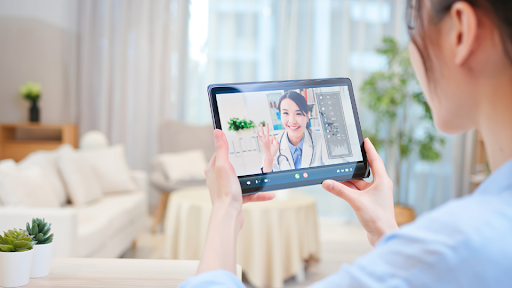
Yes, Medicare does cover telehealth services — and that coverage extends to pulmonary rehabilitation for eligible patients. Medicare Part B pays for a range of telehealth visits, including evaluations, follow-ups, and certain therapy sessions, with specific requirements around diagnosis and provider type. Here's what you need to know about Medicare telehealth coverage, including how pulmonary rehab fits in.
Understanding Pulmonary Rehabilitation
Pulmonary rehabilitation is a comprehensive program designed to improve the well-being of individuals with chronic respiratory diseases. This program typically includes exercise training, nutritional counseling, education about the disease, and psychological support. The goal is to enhance the patient's quality of life and help them manage their symptoms more effectively.
Traditionally, pulmonary rehab has been delivered in person at specialized facilities. However, the rise of telehealth has opened new avenues for delivering these essential services, allowing patients to receive care from the comfort of their homes.
The Importance of Telehealth in Pulmonary Rehab
Telehealth offers numerous benefits for patients undergoing pulmonary rehabilitation. For starters, it eliminates the need for travel, which can be particularly challenging for individuals with respiratory conditions. This convenience can lead to higher participation rates and better overall outcomes.
Moreover, telehealth allows for more frequent check-ins with healthcare providers. Patients can receive ongoing support and guidance, which is crucial for managing chronic conditions. This continuous communication can help address issues as they arise, preventing complications and hospitalizations.
In addition to these practical benefits, telehealth fosters a sense of community among participants. Virtual group sessions can facilitate interactions with others facing similar challenges, creating a supportive environment where patients can share experiences and coping strategies. This social aspect is vital, as it can help reduce feelings of isolation that often accompany chronic illnesses. Furthermore, many programs incorporate digital tools and apps that allow patients to track their progress, set goals, and stay motivated, making the rehabilitation process more engaging and personalized.
Another significant advantage of telehealth in pulmonary rehabilitation is the ability to tailor programs to individual needs. With access to a wide range of resources and specialists, patients can receive customized exercise regimens and dietary plans that align with their specific health conditions and lifestyle choices. This personalized approach not only enhances the effectiveness of the rehabilitation process but also empowers patients to take an active role in their health management, leading to more sustainable lifestyle changes over time.
Medicare's Coverage of Telehealth Services
Medicare has made significant strides in expanding telehealth services, especially in response to the COVID-19 pandemic. Initially, telehealth was limited to specific services and conditions, but recent changes have broadened the scope of coverage. This expansion has not only improved access to healthcare for many patients but has also paved the way for innovative approaches to treatment and management of chronic conditions.
Medicare telehealth coverage includes consultations, evaluations, and certain therapy sessions under Part B. Coverage rules vary by service type and patient location — rural and health professional shortage areas have historically had broader access, though pandemic-era expansions extended coverage more widely and several of those provisions have been renewed through 2025 and into 2026. Patients with COPD and other chronic lung conditions can often access pulmonary rehab telehealth services when medically necessary criteria are met.
Eligibility Criteria for Telehealth Coverage
To qualify for Medicare coverage of telehealth services, patients must meet specific eligibility criteria. Generally, patients must be enrolled in Medicare Part B and reside in a designated rural area or a healthcare shortage area. Additionally, the service must be provided by a Medicare-approved provider. This ensures that patients receive care from qualified professionals who adhere to Medicare's stringent standards.
For pulmonary rehabilitation specifically, patients may need to have a documented diagnosis of a chronic lung disease and a referral from their primary care physician or a specialist. This referral is essential to ensure that the telehealth service is medically necessary and aligns with Medicare's coverage guidelines. It is also important for patients to keep an open line of communication with their healthcare providers, as this can facilitate timely referrals and adjustments to treatment plans based on their evolving health needs.
Types of Telehealth Services Covered
Medicare covers a range of telehealth services that can be beneficial for pulmonary rehabilitation. These services include:
Initial evaluations and assessments by healthcare providers
Follow-up consultations to monitor progress
Access to educational resources and support groups
Remote monitoring of vital signs and symptoms
These services can be delivered through various platforms, including video conferencing, phone calls, and secure messaging. Utilizing a service like Doctronic.ai can streamline this process, providing patients with easy access to telehealth services tailored to their needs. Moreover, the integration of technology in healthcare has allowed for more personalized treatment plans, enabling patients to receive real-time feedback and adjustments to their care. This adaptability is particularly beneficial for those undergoing pulmonary rehabilitation, as it allows for continuous monitoring and support, which can significantly enhance recovery outcomes.
Medicare Telehealth Coverage in 2025 and 2026: What's Changed
Medicare's telehealth rules have shifted considerably since 2020, and staying current matters — especially if you rely on ongoing services like pulmonary rehabilitation.
The pandemic expansion. When COVID-19 hit, Congress and CMS dramatically loosened telehealth restrictions under Medicare. Patients no longer had to live in rural areas to access covered telehealth visits. Audio-only phone calls became billable. The list of covered services grew substantially, including more therapy and rehabilitation services.
Where things stand now. Several of those emergency-era expansions have been extended through 2025 and are expected to continue into 2026 under the Consolidated Appropriations Act and subsequent legislation. Key provisions that remain in effect include:
Coverage for telehealth services regardless of where you live (urban or rural)
Audio-only visit coverage for patients who can't use video
Federally qualified health centers (FQHCs) and rural health clinics (RHCs) may serve as distant sites for telehealth
Mental health telehealth visits are allowed with fewer in-person requirements
What this means for pulmonary rehab patients. Before the pandemic, Medicare pulmonary rehabilitation was almost exclusively an in-person benefit. The expanded telehealth rules have opened the door for more components of pulmonary rehab — including education sessions, nutritional counseling, and monitoring check-ins — to be delivered via telehealth. Full supervised exercise sessions via telehealth still face stricter requirements and may depend on how your provider's program is structured.
How to verify your coverage. Medicare telehealth rules are updated periodically, and coverage for specific services can change year to year. The best steps are:
Call 1-800-MEDICARE (1-800-633-4227) and ask specifically about telehealth coverage for pulmonary rehabilitation under your plan.
Ask your pulmonary rehab program coordinator whether their services are billed as Medicare-covered telehealth.
If you have a Medicare Advantage plan, check directly with your insurer — Advantage plans often have additional telehealth benefits beyond Original Medicare.
Our AI doctor can also help you think through your coverage questions and prepare for that conversation with your insurer.
Challenges and Considerations
While telehealth offers numerous advantages, there are challenges that both patients and providers must navigate. One significant challenge is the digital divide; not all patients have access to reliable internet or the necessary technology to participate in telehealth sessions. This disparity can lead to unequal access to healthcare services, particularly for vulnerable populations who may already face barriers to receiving care. Addressing this issue requires a concerted effort from both healthcare systems and policymakers to ensure that all individuals have the tools they need to benefit from telehealth.
Additionally, some patients may feel uncomfortable with virtual consultations, preferring the in-person interaction that traditional healthcare provides. This discomfort can stem from a lack of familiarity with technology or a belief that in-person visits are more effective. It is essential for healthcare providers to address these concerns and ensure that patients feel supported throughout the process. Building trust in the telehealth model is crucial, and providers can do this by offering reassurance, clear communication, and follow-up support to help patients transition smoothly to virtual care.
Addressing Technological Barriers
To overcome technological barriers, healthcare providers can offer assistance in setting up telehealth services. This may include providing training on how to use specific platforms or ensuring that patients have access to the necessary devices. By taking these steps, providers can help patients feel more comfortable with telehealth. Furthermore, offering a variety of communication methods, such as phone consultations or text messaging, can cater to patients who may not be as tech-savvy or who have limited internet access. Such flexibility can significantly enhance patient engagement and satisfaction.
Moreover, organizations and community programs can play a vital role in bridging the digital divide. Initiatives aimed at providing technology access and training can significantly enhance the reach of telehealth services for pulmonary rehab. Local libraries, community centers, and non-profit organizations can serve as valuable resources, offering workshops on digital literacy and access to devices. By fostering partnerships between healthcare providers and these community entities, we can create a more inclusive environment that empowers all patients to engage in their healthcare through telehealth.
Provider Training and Adaptation
Healthcare providers must also adapt to the telehealth model. This adaptation involves not only understanding the technology but also modifying their approach to patient care. Effective communication is crucial in a virtual setting, and providers must develop skills to engage patients meaningfully. This includes being attentive to non-verbal cues, which can be more challenging to interpret through a screen. Providers may need to employ different techniques to establish rapport and ensure that patients feel heard and understood during their consultations.
Training programs focused on telehealth best practices can equip providers with the tools they need to deliver high-quality care remotely. This training can also help providers understand how to tailor pulmonary rehabilitation programs to fit the telehealth format. For instance, they can learn to incorporate digital tools for monitoring patient progress, such as wearable devices or mobile health applications. By leveraging technology in this way, providers can enhance the effectiveness of rehabilitation programs, ensuring that patients receive comprehensive support, even from a distance. Additionally, ongoing education about emerging telehealth technologies will keep providers informed and adaptable in an ever-evolving healthcare landscape.
Future of Telehealth in Pulmonary Rehabilitation
The future of telehealth in pulmonary rehabilitation looks promising. As technology continues to advance, the potential for more sophisticated telehealth solutions increases. Innovations such as wearable devices and remote monitoring tools can enhance the delivery of care, allowing for real-time data collection and analysis. These advancements not only enable healthcare providers to track patient progress more effectively but also empower patients to take an active role in their own health management, fostering a sense of autonomy and engagement in their rehabilitation journey.
Furthermore, as more patients and providers become accustomed to telehealth, it is likely that Medicare will continue to expand its coverage options. This expansion could lead to more comprehensive telehealth services for pulmonary rehab, making it accessible to a broader range of patients. The increased accessibility is particularly crucial for individuals living in rural or underserved areas, where traditional rehabilitation facilities may be scarce. By bridging the gap between patients and healthcare providers, telehealth can significantly improve health equity in pulmonary care.
Potential Innovations in Telehealth
Future innovations may include the integration of artificial intelligence and machine learning to personalize rehabilitation programs. These technologies can analyze patient data to provide tailored recommendations, improving outcomes and patient satisfaction. For instance, AI algorithms could assess a patient’s physical capabilities and preferences, suggesting specific exercises that align with their rehabilitation goals while also considering their unique health conditions. This level of customization can lead to more effective treatment plans and a higher likelihood of adherence to rehabilitation protocols.
Additionally, virtual reality (VR) and augmented reality (AR) could play a role in enhancing pulmonary rehab experiences. These technologies can create immersive environments for patients, making exercises more engaging and effective. Imagine a patient using VR to simulate walking through a serene park or navigating a virtual obstacle course, all while performing their prescribed exercises. Such experiences can not only distract from discomfort but also motivate patients to push through challenges, ultimately leading to better physical outcomes and improved mental health during their recovery process.
Advocacy for Continued Coverage
As telehealth becomes an integral part of healthcare, advocacy for continued Medicare coverage is essential. Patients, providers, and organizations must work together to ensure that telehealth remains a viable option for pulmonary rehabilitation and other services. It is vital for stakeholders to emphasize the cost-effectiveness of telehealth, as it can reduce hospital readmissions and emergency room visits, ultimately leading to savings for both patients and the healthcare system.
Engaging in discussions with policymakers and sharing success stories can highlight the importance of telehealth in improving patient outcomes. By showcasing data that illustrates the positive impact of telehealth on recovery times and patient satisfaction, advocates can build a compelling case for sustained investment in these services. As the healthcare landscape evolves, it is crucial to advocate for policies that support the continued expansion of telehealth services, ensuring that all patients have the opportunity to benefit from these innovative approaches to care.
Telehealth in Pulmonary Rehab: The Future of Care
In summary, Medicare does cover telehealth services for pulmonary rehabilitation, but understanding the specifics of this coverage is essential for patients. The benefits of telehealth, combined with the challenges that need to be addressed, create a dynamic landscape for pulmonary rehab.
As technology continues to evolve and more patients embrace telehealth, the future looks bright for those seeking pulmonary rehabilitation services. Utilizing platforms like Doctronic.ai can facilitate access to these essential services, ensuring that patients receive the care they need.
Ultimately, the goal is to enhance the quality of life for individuals with chronic respiratory conditions, making telehealth an invaluable tool in achieving this objective. As the healthcare community continues to adapt and innovate, patients can look forward to a more accessible and effective approach to pulmonary rehabilitation.
Redefining Pulmonary Rehab with Doctronic
Embrace the cutting-edge of pulmonary rehabilitation with Doctronic, where our AI-powered platform offers you personalized and immediate care. With Doctronic, you're not just another patient; you're part of a revolution in direct-to-patient healthcare. Our AI doctor is available 24/7, providing free AI doctor visits and affordable telehealth video visits in all 50 states. Join over 10 million people who have experienced the smarter, faster, and more personal medical advice that only Doctronic can provide. Skip the line. Talk to an AI Doctor Now, for free.
Frequently Asked Questions
Yes. Medicare Part B covers a wide range of telehealth services in 2025, including doctor visits, mental health counseling, and certain rehabilitation services. Pandemic-era expansions that removed geographic restrictions have been extended through 2025 and into 2026, so most Medicare beneficiaries — not just those in rural areas — can access covered telehealth visits.
Medicare does cover pulmonary rehabilitation, and components of that program — such as education sessions, counseling, and monitoring — can often be delivered via telehealth under current rules. Full in-person supervised exercise sessions have stricter requirements, so coverage depends on how your specific program is structured and whether your provider bills it as a covered telehealth service. Check with your rehab program coordinator to confirm.
Medicare covers pulmonary rehabilitation for patients with moderate-to-very-severe COPD. Coverage may also extend to other chronic lung conditions, including pulmonary fibrosis and certain post-COVID respiratory complications, if your doctor documents medical necessity. You'll typically need a referral from your treating physician and enrollment in Medicare Part B.
No — not under the current rules. Before the COVID-19 pandemic, Medicare telehealth was largely limited to patients in rural or health professional shortage areas. Those geographic restrictions were lifted during the public health emergency and have since been extended through at least 2026. Most Medicare beneficiaries can now receive covered telehealth services regardless of where they live.
Often, yes. Medicare Advantage plans are required to cover at least the same telehealth services as Original Medicare, but many plans offer expanded telehealth benefits — including more service types and fewer restrictions. If you're enrolled in a Medicare Advantage plan, contact your plan directly to find out what additional telehealth coverage may be available to you.
The Bottom Line
Part B covers telehealth pulmonary rehabilitation for patients with chronic lung diseases, but geographic restrictions and provider network limitations still apply in most areas. You'll need proper medical documentation and referrals to access these services. If you're unsure about your specific coverage or eligibility requirements, Doctronic can help clarify your options.
Millions of migraine sufferers rely on sumatriptan (Imitrex) for relief, but this medication doesn't work for everyone. Side effects like chest tightness, nausea, and [...]
Managing high blood pressure doesn't always require prescription medications alone. Many people taking telmisartan (brand name Micardis) seek natural alternatives due to [...]
The landscape of atopic dermatitis treatment has transformed dramatically in 2026, with groundbreaking therapies offering new hope for millions suffering from this chronic [...]
Join 50,000+ readers using Doctronic to understand symptoms, medications, and next steps.
Only one more step.
Add your phone number below to get health updates and exclusive VIP offers.
By providing your phone number, you agree to receive SMS updates from Company. Message and data rates may apply. Reply “STOP” to opt-out anytime. Read our Privacy Policy and Terms of Service for more details.
Thanks for subscribing
Save your consults. Talk with licensed doctors and manage your health history.