
Skin Health
Best Treatment for Dark Spots On Face: A Comprehensive Guide
January 22, 2026
2 min read

Medically reviewed by Alan Lucks | MD, Alan Lucks MDPC Private Practice - New York on May 21st, 2026.
Published on March 30th, 2026. Updated on May 22nd, 2026.
Dark spots on your face result from excess melanin production triggered by sun exposure, hormonal changes, inflammation, or aging
Daily broad-spectrum sunscreen with SPF 30 or higher is the single most important prevention strategy
Over-the-counter ingredients like vitamin C, niacinamide, and alpha hydroxy acids can fade existing spots over time
Professional treatments such as chemical peels and laser therapy offer faster results for stubborn hyperpigmentation
Consistent skincare routines and sun protection are essential for maintaining long-term skin clarity
Concerned about dark spots on your face? Doctronic.ai offers 24/7 AI-powered consultations to help identify causes and guide treatment options
Those stubborn brown or gray patches that appear on your face have a name: hyperpigmentation. This condition occurs when certain areas of skin produce more melanin than the surrounding tissue. Melanin is the pigment that gives skin its color. When cells called melanocytes become overactive or damaged, they create concentrated deposits that show up as visible dark spots on your face.
Understanding the causes, prevention methods, and treatment options helps people make informed decisions about their skincare. The good news is that most dark spots respond well to treatment when approached correctly.
Ultraviolet radiation from the sun is the primary culprit behind most facial dark spots. When UV rays penetrate the skin, they trigger melanocytes to produce extra melanin as a protective response. Over time, this defense mechanism can malfunction, causing melanin to accumulate unevenly. Sun spots, also called solar lentigines, typically appear on areas that receive the most exposure: the forehead, cheeks, nose, and upper lip.
Years of unprotected sun exposure create cumulative damage that becomes visible in your thirties and beyond. Even brief daily exposure without sunscreen adds up significantly.
When skin experiences trauma from acne, cuts, burns, or aggressive skincare treatments, it often responds by producing excess melanin during the healing process. This reaction creates dark marks that can linger for months or even years after the original wound heals. Post-inflammatory hyperpigmentation affects people with darker skin tones more frequently and severely. Picking at pimples or using harsh exfoliants dramatically increases the risk of developing these stubborn marks.
Melasma creates symmetrical patches of discoloration, usually across the cheeks, forehead, and upper lip. Hormonal changes from pregnancy, birth control pills, or hormone replacement therapy often trigger this condition. This form of hyperpigmentation is notoriously difficult to treat because hormonal fluctuations can reactivate melanocytes even after successful fading.
As skin ages, melanocyte function becomes less regulated. Decades of accumulated sun damage combine with natural cellular changes to produce age spots. Genetics also plays a significant role in determining susceptibility. People whose parents developed significant hyperpigmentation are more likely to experience similar patterns. Fair-skinned individuals may notice spots earlier, while those with darker complexions often experience more pronounced discoloration when it does occur.
Daily sunscreen application is non-negotiable for preventing dark spots. Choose a broad-spectrum formula with SPF 30 or higher that protects against both UVA and UVB rays. Apply it every morning as the final step in your skincare routine, even on cloudy days or when staying indoors near windows. Reapplication every two hours during outdoor exposure is essential. Physical barriers like wide-brimmed hats and UV-protective clothing provide additional defense.
Certain ingredients can interrupt the melanin production pathway before spots form. Vitamin C is a potent antioxidant that neutralizes free radicals from UV exposure and inhibits tyrosinase, the enzyme responsible for melanin synthesis. Niacinamide prevents melanin transfer from melanocytes to surrounding skin cells. Incorporating these ingredients into daily routines creates a proactive defense against new discoloration.
Get hyperpigmentation treatment online today
A licensed doctor can review your symptoms and send a prescription to your pharmacy, often the same day.
Related medications we prescribe
Learn moreEffective over-the-counter options include products containing kojic acid, arbutin, azelaic acid, and licorice root extract. These ingredients work by suppressing melanin production at various stages of the process. Consistency matters more than product strength. Apply brightening treatments daily for at least eight to twelve weeks before expecting visible improvement.
Alpha hydroxy acids like glycolic and lactic acid accelerate cell turnover, helping fade existing discoloration by removing pigmented surface cells. Start with lower concentrations (5 to 10%) and gradually increase as skin builds tolerance.
Retinoids increase cell turnover even more dramatically while also boosting collagen production. Over-the-counter retinol products offer a gentler introduction to this ingredient class. Use retinoids at night since they increase sun sensitivity, and always pair with diligent sunscreen use.
Professional-strength chemical peels penetrate deeper than at-home products, removing multiple layers of pigmented skin cells. Superficial peels using glycolic or salicylic acid require minimal downtime, while medium-depth peels with trichloroacetic acid produce more dramatic results but need longer recovery periods.
Microdermabrasion uses fine crystals or a diamond-tipped wand to physically exfoliate the skin surface. This treatment works best for mild hyperpigmentation and requires multiple sessions for noticeable improvement.
Laser treatments target melanin deposits with concentrated light energy, breaking up pigment clusters so the body can naturally eliminate them. Different laser types address various depths and types of discoloration. Q-switched lasers work well for sun spots, while fractional lasers help with more diffuse pigmentation.
IPL uses broad-spectrum light to treat superficial pigmentation, but it may not be suitable for all skin tones. These procedures require skilled practitioners and careful post-treatment sun protection to prevent rebound hyperpigmentation.
Fading dark spots is only half the battle. Preventing their return requires ongoing commitment to sun protection and consistent skincare. Continue using vitamin C and niacinamide even after spots have faded. Maintain retinoid use to keep cell turnover optimized. Address new breakouts promptly to minimize post-inflammatory hyperpigmentation risk. Avoid picking at skin or using overly aggressive treatments that cause inflammation.
Most dark spots require eight to twelve weeks of consistent treatment before showing significant improvement. Deeper or older spots may take six months or longer. Patience and daily adherence to treatment protocols produce the best outcomes.
Many dark spots can be significantly reduced or eliminated with proper treatment. Recurrence is possible with melasma or continued sun exposure, making maintenance care essential.
Some natural ingredients like vitamin C and licorice extract have scientific support for mild brightening effects. Most DIY remedies lack sufficient concentration or penetration to produce meaningful results.
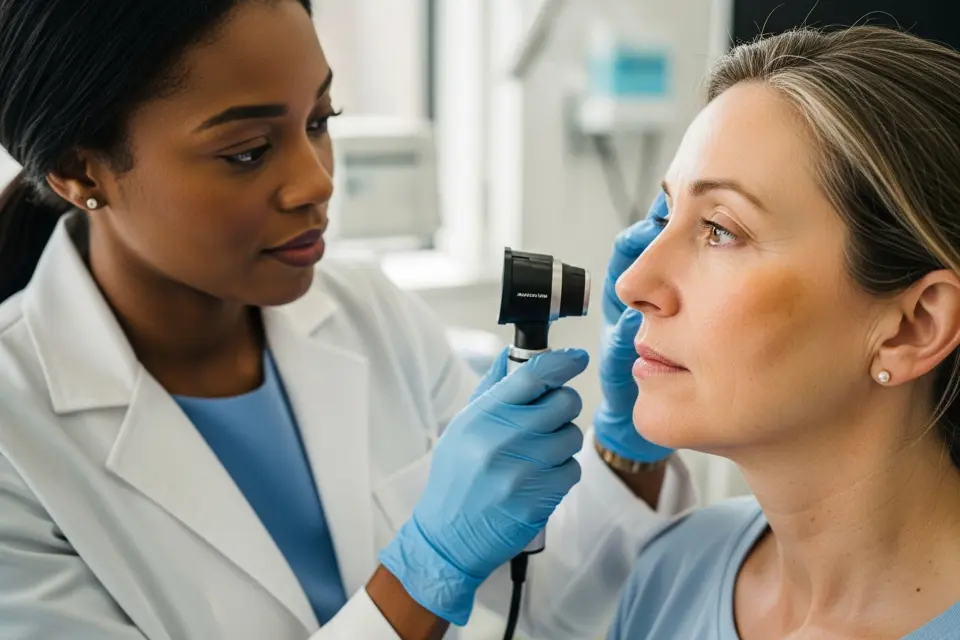
Seek professional evaluation for spots that change in size, shape, or color, have irregular borders, or fail to respond to several months of at-home treatment.
Dark spots on the face respond well to a combination of sun protection, targeted skincare ingredients, and professional treatments when needed. The earlier you start protecting your skin and treating existing spots, the better the results. For personalized guidance on addressing hyperpigmentation, visit Doctronic.ai for 24/7 AI-powered consultations or convenient telehealth appointments with licensed physicians.
Explore treatment options
Chat Now