

Mental Health
Atypical Depression: Symptoms That Don't Fit the Typical Pattern
March 27, 2026
6 min read

Medically reviewed by Alan Lucks | MD, Alan Lucks MDPC Private Practice - New York on May 21st, 2026.
Published on March 30th, 2026. Updated on July 23rd, 2026.
Crippling depression involves more than sadness: it includes psychomotor impairment and executive dysfunction that make basic tasks feel impossible
The five-minute rule and sensory grounding techniques can help break the cycle of immobility without overwhelming the nervous system
Sleep hygiene, nutrition, and hydration directly affect brain chemistry and energy levels during depressive episodes
Professional treatment options include CBT, DBT, medication management, and knowing when to seek emergency care
Building a support system through honest communication and peer groups creates lasting protection against relapse
Need professional guidance but struggling to leave home? Doctronic.ai offers 24/7 telehealth access so you can connect with a licensed physician from bed
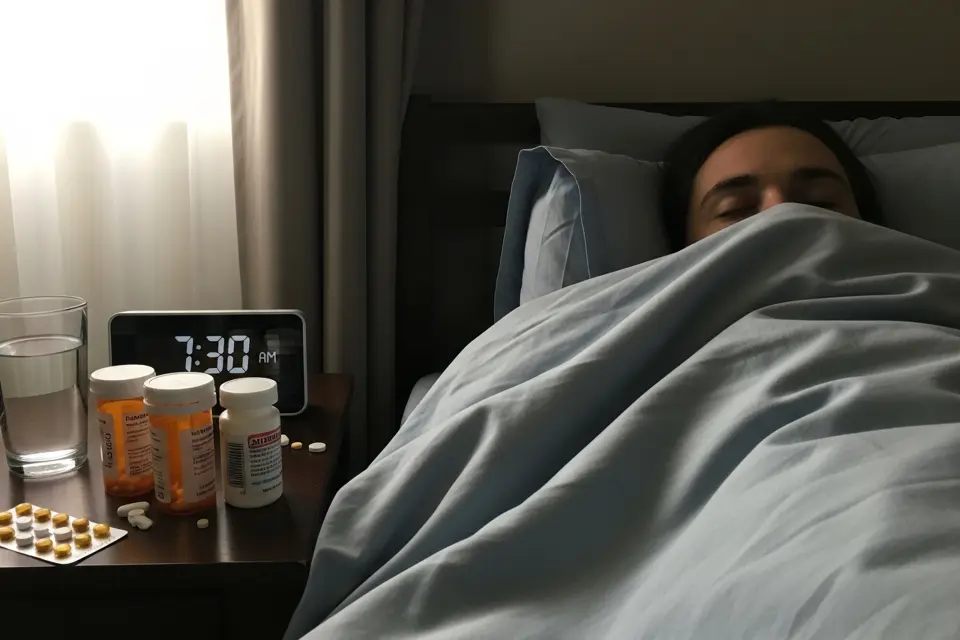
The alarm goes off. The body refuses to respond. Hours pass while the ceiling becomes the only view. This experience of crippling depression affects millions of Americans. When severe depression strikes, even the simplest actions like sitting up or walking to the bathroom can feel like climbing a mountain.
This is not laziness or weakness. This is a medical condition where the brain's ability to initiate movement and motivation has been disrupted. Understanding what happens during these episodes and knowing practical strategies to manage them can make the difference between staying stuck and finding a path forward.
Sadness passes. Clinical depression does not simply lift when circumstances change. The key difference lies in duration, intensity, and physical symptoms. A person experiencing normal sadness can still function, eat, and move through daily routines. Someone with severe major depressive disorder may spend days unable to perform basic self-care. This is not a character flaw but a medical condition requiring proper treatment.
Psychomotor retardation is the clinical term for the physical slowing that accompanies severe depression. The brain's dopamine and norepinephrine systems become impaired, reducing the signals that tell muscles to move. Arms and legs feel weighted down. Speech becomes slower. Reaction times increase dramatically. This biological process explains why someone cannot simply "push through" a depressive episode.
Executive function controls planning, decision-making, and task initiation. Depression damages these processes. A simple task like brushing teeth requires dozens of micro-decisions: get up, walk to bathroom, find toothbrush, apply toothpaste, move arm in brushing motion. When executive function fails, this chain breaks down. The person knows they should brush their teeth but cannot organize the steps to make it happen. This creates shame and frustration, which deepens the depression further.
The five-minute rule works because it bypasses the overwhelmed brain's resistance to large tasks. Commit to doing something for only five minutes. Sit up for five minutes. Stand by the window for five minutes. The goal is not completion but initiation. Once movement starts, continuing becomes easier. The brain's inertia works both ways: once in motion, staying in motion requires less effort than starting from stillness.
Grounding techniques pull attention away from depressive thoughts and into physical sensation. Hold ice cubes until they melt. Smell something strong like peppermint or coffee grounds. Run hands under cold water. These sensory inputs force the brain to process immediate physical information rather than cycling through negative thoughts.
Self-criticism during depressive episodes makes everything worse. Radical self-compassion means treating oneself with the same kindness offered to a sick friend. The internal dialogue shifts from "I am pathetic for not getting up" to "My brain is sick right now, and rest is part of healing." This is not making excuses but acknowledging biological reality.
Depression disrupts sleep patterns, and disrupted sleep worsens depression. This creates a trap. Breaking it requires strict sleep hygiene: same wake time every day regardless of how much sleep occurred, no screens an hour before bed, bedroom used only for sleep. Light exposure matters enormously. Light therapy can be an effective tool for certain individuals struggling with seasonal or circadian-related depression. Opening curtains immediately upon waking or using a light therapy box can help reset disrupted circadian rhythms.
Dehydration and poor nutrition directly affect brain function. The brain is about 73% water, and even mild dehydration impairs cognitive function. During depressive episodes, eating and drinking often feel impossible. Keep water and simple snacks within arm's reach of the bed. Crackers, nuts, or protein bars require no preparation. B vitamins, omega-3 fatty acids, and adequate protein support neurotransmitter production.
Get depression treatment online today
A licensed doctor can review your symptoms and send a prescription to your pharmacy, often the same day.
Related medications we prescribe
Cognitive Behavioral Therapy focuses on identifying and changing negative thought patterns. Dialectical Behavior Therapy adds distress tolerance and emotional regulation skills. For severe depression, CBT and DBT can both be effective depending on the individual's symptoms and needs. Both require consistent attendance, which presents challenges for those who cannot leave home. Telehealth makes professional care accessible without leaving bed.
Antidepressants work by adjusting neurotransmitter levels in the brain. SSRIs increase serotonin availability; SNRIs affect both serotonin and norepinephrine. Finding the right medication often takes trial and error. Side effects during the first few weeks can be uncomfortable. Medications typically require 4 to 8 weeks to show full effects. Never stop antidepressants suddenly without medical supervision, as withdrawal symptoms can be severe.
Emergency care becomes necessary when thoughts of self-harm or suicide emerge, when basic functions like eating or drinking stop entirely, or when psychotic symptoms appear. Inpatient psychiatric care provides 24-hour monitoring, medication adjustment, and intensive therapy. This is not failure but appropriate medical treatment for a severe condition. The 988 Suicide and Crisis Lifeline offers immediate support. If you are unsure whether your situation requires urgent mental health support, reaching out to a provider can help you assess your options.
Most people want to help but do not know how. Clear, specific requests work better than general statements. Instead of "I need support," try "Can you text me every morning at 9 AM to check if I have eaten?" Written communication often feels easier during depressive episodes than phone calls. Prepare a message template explaining depression symptoms that can be shared when energy is too low for explanation.
Peer support groups connect people with others who understand the experience of severe depression. This reduces isolation and provides practical coping strategies from those who have been there. Online support groups eliminate transportation barriers. NAMI and DBSA offer both in-person and virtual options.
Prevention requires identifying personal warning signs before a full episode develops. Sleep changes, appetite shifts, and social withdrawal often appear days or weeks before severe symptoms. Creating a written action plan during stable periods provides a roadmap for crisis times. This plan should include emergency contacts, medication information, and specific steps to take at each warning level. Regular check-ins with a mental health provider catch problems early.
Yes. Psychomotor retardation is a documented symptom where the brain's movement signals become impaired. This is a biological process, not a choice or lack of willpower.
Untreated episodes average 4 to 9 months. With proper treatment, episodes can be shortened significantly. Some people experience shorter episodes lasting weeks, while others have chronic symptoms lasting years.
Forcing rarely works and often increases shame. Using small steps like the five-minute rule respects biological limitations while still encouraging movement. Gentle progress beats harsh demands.
Intervention becomes appropriate when the person stops eating or drinking, expresses suicidal thoughts, or cannot perform basic hygiene for multiple days. Professional guidance can help families know when to escalate care.
Severe depression that prevents getting out of bed is a medical condition requiring proper treatment, not willpower. Small steps, professional support, and self-compassion create the foundation for recovery. For accessible mental health guidance anytime, visit Doctronic.ai for 24/7 AI-powered consultations and affordable telehealth appointments with licensed physicians.
Get advice about crippling depression
Chat Now