
Chemical Peels for Acne Scars: Types, Results, and Downtime

Medically reviewed by Alan Lucks | MD, Alan Lucks MDPC Private Practice - New York on May 21st, 2026.
Published on March 30th, 2026. Updated on July 24th, 2026.
Key takeaways
Chemical peels work by removing damaged skin layers to reveal smoother tissue, making them effective for many types of acne scars
Superficial peels address discoloration and mild texture issues, while medium and deep peels target more severe scarring
Treatment costs range from $100 to $1,000 per session depending on peel depth and provider expertise
Most patients need multiple sessions spaced weeks apart to achieve optimal results
Proper aftercare and sun protection are critical for healing and preventing complications
Considering peels for acne scarring? Doctronic.ai offers 24/7 AI-powered consultations to help you explore your options before booking a dermatology appointment
Understanding Chemical Peels for Acne Scarring
Acne scars affect millions of people, often lingering long after breakouts have cleared. These marks can range from subtle discoloration to deep pits that change the skin's texture entirely. Chemical peels offer one of the most accessible and effective treatments for addressing this damage.
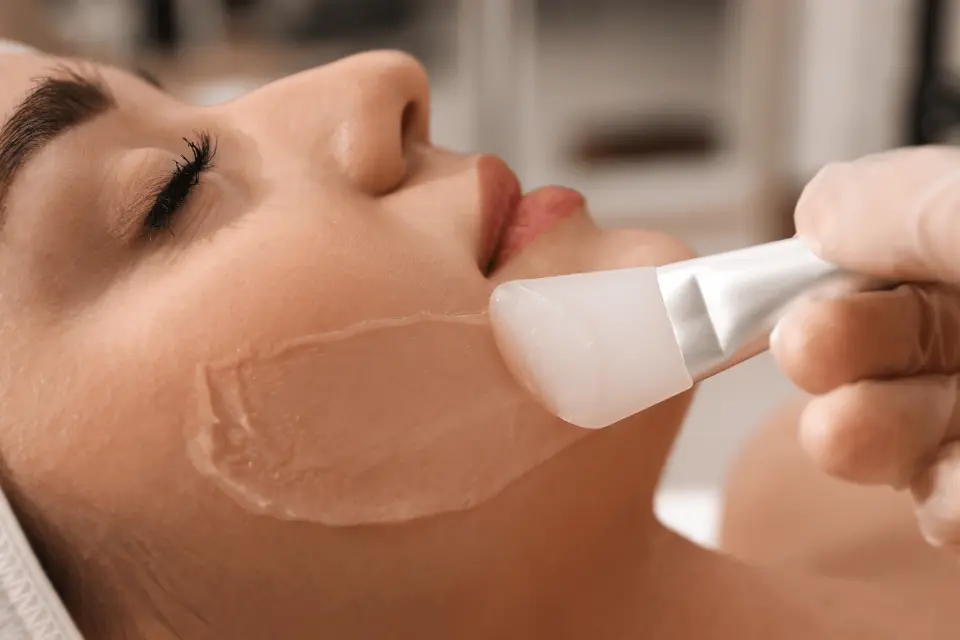
The process involves applying acid solutions to the skin, which removes damaged outer layers and triggers the body's natural healing response. New collagen production fills in depressed areas while fresh skin cells replace discolored tissue.
How Chemical Peels Address Acne Scarring
The Science of Chemical Exfoliation
Chemical exfoliation works differently from physical scrubbing. When an acid solution contacts skin, it breaks down the bonds holding dead and damaged cells together. This controlled injury signals the body to produce new collagen and elastin fibers. The healing process essentially rebuilds the skin from within. Deeper peels penetrate further into the dermis, where they can restructure scar tissue that sits below the surface.
Scar Types That Respond Best to Peels
Not all acne scars respond equally to chemical treatments. Rolling scars with gentle, wave-like depressions typically show excellent improvement because their shallow depth allows acids to reach the affected tissue. Boxcar scars with defined edges respond well to medium-depth peels. Ice pick scars present more challenges due to their narrow, deep structure, though specialized techniques can still help. Post-inflammatory hyperpigmentation, the dark spots left after breakouts, often clears dramatically with superficial peels alone.
Types of Chemical Peels by Depth
Superficial Peels for Pigmentation
Superficial peels penetrate only the outermost skin layer, the epidermis. These treatments work best for dark spots, uneven tone, and very mild texture irregularities. Sessions typically last 15 to 30 minutes with minimal discomfort. Patients can usually return to normal activities immediately, experiencing only slight redness that fades within hours. These peels typically cost between $100 and $300 per session, making them the most affordable option.
Medium-Depth Peels for Textural Scars
Medium-depth peels reach into the upper dermis, where they can address more significant scarring. These treatments cause visible peeling for several days as damaged tissue sheds. The trade-off is a more noticeable improvement in skin texture and scar depth. Recovery requires about a week of social downtime. Costs range from $300 to $1,000 depending on the specific acids used and the provider's expertise.
Deep Peels for Severe Atrophic Scarring
Deep peels penetrate into the lower dermis, producing the most dramatic results for severe scarring. These procedures require careful monitoring and sometimes sedation. Recovery spans two to three weeks, during which the skin appears raw before new tissue emerges. Costs can reach $3,000 per session. Due to their intensity, deep peels are typically performed only once, with results lasting many years.
Key Acid Ingredients and Their Benefits
Salicylic and Glycolic Acids
Salicylic acid dissolves oil and penetrates pores, making it ideal for acne-prone skin. It reduces active breakouts while addressing surface discoloration. Glycolic acid, derived from sugar cane, has the smallest molecular size among alpha-hydroxy acids. This allows deeper penetration even at lower concentrations. Many dermatologists combine these acids in superficial peels to target multiple concerns simultaneously.
Trichloroacetic Acid and the CROSS Technique
TCA peels offer versatility across multiple depths depending on concentration. The CROSS technique applies high-concentration TCA directly into individual ice pick scars using a small applicator. This targeted approach causes the scar walls to contract and fill with new collagen. Multiple CROSS sessions spaced four to six weeks apart can significantly reduce scar depth without treating the surrounding healthy skin.
Phenol Peels for Advanced Resurfacing
Phenol creates the deepest chemical peel available. This acid restructures the entire dermis, producing new skin that appears dramatically smoother. The treatment requires cardiac monitoring because phenol can affect the heart rhythm. Results are long-lasting but not necessarily permanent, and the procedure carries higher risks, including potential pigment changes. Phenol peels work best for lighter skin tones due to bleaching effects.
Expected Results and Treatment Timelines
Short-Term vs. Long-Term Skin Improvements
Immediately after a peel, skin appears red and feels tight. Within days to weeks, depending on peel depth, this transitions to visible peeling. The fresh skin underneath often looks pink initially. True results emerge over months as collagen remodeling continues beneath the surface. Patients typically notice a 30 to 60% improvement in scar appearance after completing a full treatment series.
Number of Sessions Required
Superficial peels require four to six sessions spaced two weeks apart for meaningful results. Medium peels typically need three to four treatments with four to six weeks between sessions. Deep peels usually require only one treatment. For those exploring natural scar treatments as a complement to professional peels, combining approaches often produces the best outcomes.
Managing Downtime and Post-Peel Recovery
The Healing Stages: What to Expect Daily
Days one through three bring redness, tightness, and potential swelling. Days four through seven typically involve visible peeling as damaged skin sheds. By day ten, most medium-peel patients have completed the peeling phase. Deep peels extend this timeline significantly, with raw skin lasting up to two weeks before new tissue fully covers the treated area.
Essential Aftercare and Sun Protection
Sun exposure during healing can cause permanent dark spots. Patients must apply broad-spectrum SPF 30 or higher daily for at least three months post-treatment. Gentle cleansers and fragrance-free moisturizers support healing without irritation. Picking at peeling skin risks scarring and infection. Keeping skin hydrated speeds recovery and improves final results.
Safety Considerations and Professional Consultation
Chemical peels carry risks, including infection, scarring, and pigment changes, when performed incorrectly. Darker skin tones face higher risks of post-inflammatory hyperpigmentation. Patients with active cold sores need antiviral medication before treatment. A qualified dermatologist assesses skin type, scar patterns, and medical history before recommending specific peels.
Frequently Asked Questions
Superficial peels cause mild stinging that subsides quickly. Medium peels produce more noticeable burning during application, though practitioners often use fans or cold air for comfort. Deep peels typically require sedation or anesthesia due to intensity.
When performed correctly by trained professionals, peels should not worsen scarring. Improper aftercare or picking at peeling skin can create new scars. Choosing the wrong peel depth for your skin type also increases complication risks.
Results from deep peels can last up to 10 years. Medium and superficial peel results last months to years depending on sun exposure, skincare routine, and aging. Maintenance treatments help preserve improvements.
At-home peels use much lower acid concentrations than professional treatments. They may improve mild discoloration but cannot address textural scarring. Professional peels deliver significantly better results for actual scar tissue.
The Bottom Line
Chemical peels remain one of the most effective treatments for reducing acne scar appearance, with options ranging from gentle surface treatments to intensive deep resurfacing. Consulting with a qualified dermatologist ensures the right approach for individual skin needs. For personalized guidance on skin concerns and treatment options, visit Doctronic.ai for 24/7 AI-powered medical consultations that help you take the next step.
Related articles
How to Calm an Anxiety Attack: Techniques That Work in the Moment

Melasma vs. Hyperpigmentation: Key Differences and Treatment Approaches

Sun Allergy: Why Your Skin Reacts to UV and How to Manage It
Poison Ivy Rash Stages: What to Expect from Day 1 to Full Healing

Can Allergies Make You Feel Sick? Spring Allergy Symptoms That Mimic Illness

Supplements for Depression: What the Evidence Says About Natural Options

Plantar Fasciitis Treatment: A Runner's Guide to Getting Back on Your Feet

Poison Ivy Rash Treatment: Home Remedies vs. Medical Care
Get skin care advice
Chat Now