Treatments and Prevention
Calamine Lotion: How It Works for Poison Ivy, Bug Bites, and Rashes
April 6, 2026
7 min read

Medically reviewed by Alan Lucks | MD, Alan Lucks MDPC Private Practice - New York on May 21st, 2026.
Published on March 30th, 2026. Updated on July 23rd, 2026.
Poison ivy rash cannot be cured overnight due to the biological timeline of urushiol reactions and skin healing processes
Washing exposed skin within the first hour can significantly reduce rash severity
Topical corticosteroids, oral antihistamines, and calamine lotion provide the most effective symptom relief
Natural remedies like colloidal oatmeal and aloe vera can soothe itching but will not speed healing
A fever over 100.4 F (38 C) alongside a poison ivy rash requires immediate medical attention
Dealing with a stubborn rash and unsure what to do next? Doctronic.ai offers 24/7 AI-powered consultations to help guide your treatment decisions
That unbearable itch hits, the red bumps appear, and the desperate search begins: how to get rid of poison ivy rash overnight. The honest answer is that no cream, remedy, or treatment will make a poison ivy rash disappear by morning. The rash represents your immune system's inflammatory response to urushiol oil, and that process takes time to run its course.
What you can do is dramatically reduce severity, manage symptoms effectively, and speed recovery from weeks to days. Understanding what actually helps versus what wastes time and money makes all the difference when you are suffering.
Urushiol is the oily resin in poison ivy that causes allergic contact dermatitis. When it touches skin, it binds to proteins within 10 to 20 minutes. The immune system then recognizes these urushiol-protein complexes as foreign invaders and launches an attack. This inflammatory response takes 12 to 72 hours to produce visible symptoms. The rash is not the urushiol itself but rather your body's aggressive immune reaction. Since the inflammation has already been triggered at the cellular level, no topical treatment can simply switch it off overnight.
Blisters form when the immune response damages the junction between skin layers, allowing fluid to accumulate. The skin must regenerate these damaged cells, which follows a predictable biological timeline. New skin cells typically take about 1 to 3 weeks to fully replace damaged tissue. Scabs form as protective barriers while healing occurs underneath. Attempting to rush this process often backfires, leading to scarring or secondary infection.
Speed matters enormously with poison ivy exposure. Washing exposed skin with soap and cool water within the first hour gives the best chance of preventing or minimizing the rash. Use dish soap or specialized products like Tecnu, which are designed to break down urushiol's oily bonds. Scrub under fingernails thoroughly since urushiol hides there and spreads easily. Even washing several hours after exposure can reduce severity, though effectiveness decreases with time.
Cold compresses constrict blood vessels and reduce inflammation at the skin's surface. Apply them for 15 to 20 minutes several times daily during the acute phase. Lukewarm baths with colloidal oatmeal provide similar relief while covering larger affected areas. Avoid hot water, which opens pores and can intensify itching.
Urushiol can remain active on surfaces for up to one year. Clothing worn during exposure must be washed separately in hot water with a strong detergent. Garden tools, pet fur, and sports equipment can all harbor the oil and cause re-exposure. Wipe down shoes, backpacks, and anything that may have contacted the plant. This step prevents the frustrating cycle of repeated rashes from contaminated items.
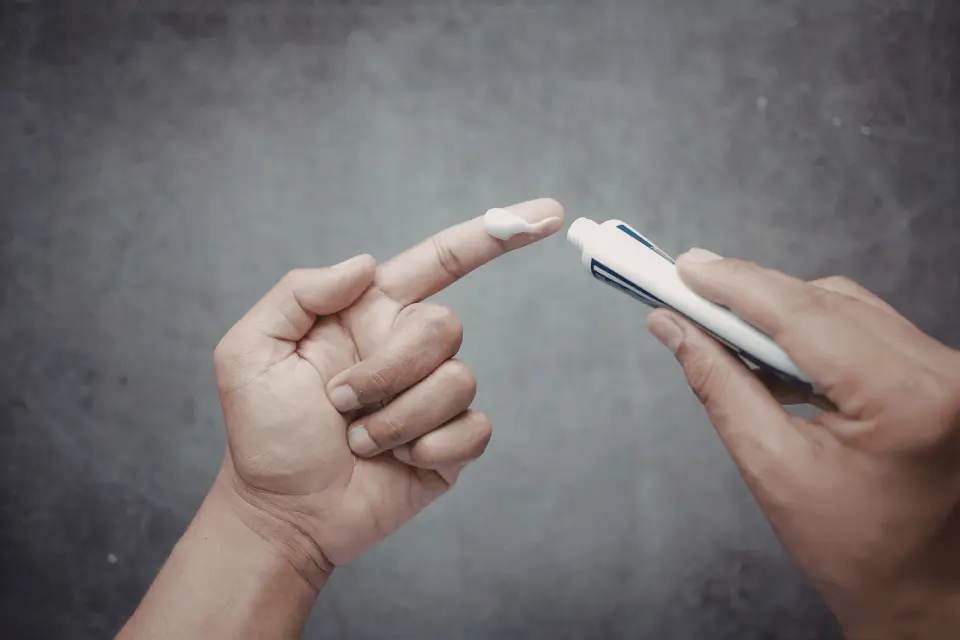
Topical steroids reduce inflammation by suppressing the immune response at the application site. Over-the-counter hydrocortisone 1% works for mild cases, though prescription-strength formulations prove more effective for moderate to severe rashes. Apply a thin layer 2 to 3 times daily to affected areas. For extensive rashes, doctors may prescribe oral prednisone, which addresses inflammation systemically.
Diphenhydramine (Benadryl) and cetirizine (Zyrtec) block histamine receptors, reducing the itch signal reaching the brain. Nighttime doses of sedating antihistamines help patients sleep through the worst itching. Non-drowsy options like loratadine work during daytime hours. Taking antihistamines consistently rather than sporadically provides better itch control.
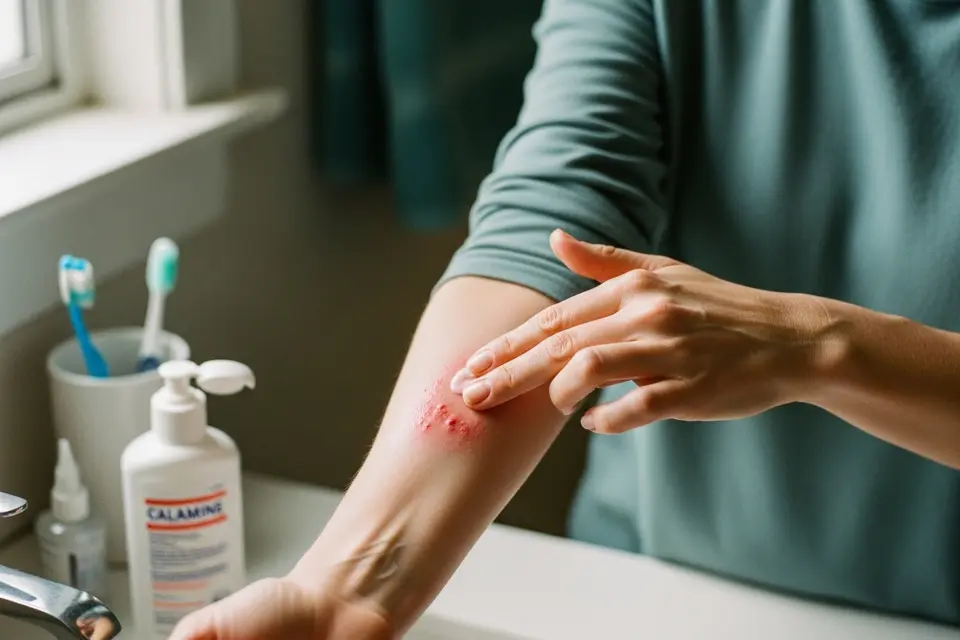
Calamine lotion creates a cooling, drying effect on weeping blisters. The zinc oxide component provides mild antiseptic properties and forms a protective barrier. Apply after baths when skin is clean and slightly damp. Reapply as needed throughout the day.
Colloidal oatmeal contains compounds called avenanthramides that have anti-inflammatory properties. Add one cup to a lukewarm bath and soak for 15 to 20 minutes. Baking soda paste made with water can be applied directly to itchy spots. These remedies work by soothing irritated nerve endings rather than treating the underlying reaction.
Jewelweed grows near poison ivy and has been used as a folk remedy for centuries. Current research has not confirmed that jewelweed neutralizes urushiol, but it may offer mild anti-inflammatory benefits. Aloe vera gel provides cooling relief and supports skin healing. The gel should be pure without added fragrances or alcohol, which can irritate damaged skin.
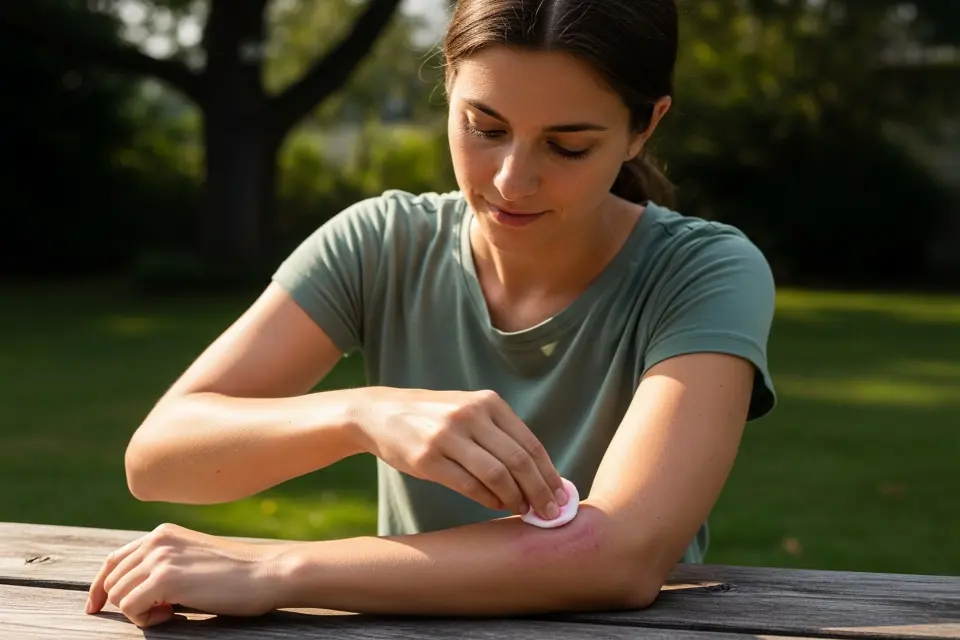
Witch hazel contains tannins that help dry out oozing blisters and reduce inflammation. Apply with a cotton ball several times daily. It works particularly well on weeping rashes that need to dry before scabbing. If you are unsure whether your rash is actually poison ivy or something else, learning to identify your rash can help you choose the right treatment.
Bacteria can enter through broken blisters, causing secondary infection. Warning signs include increasing redness spreading beyond the rash, pus or yellow discharge, and worsening pain rather than itching. Red streaks extending from the rash indicate a spreading infection requiring immediate attention. Infected poison ivy rashes need antibiotics, not just anti-itch treatments.
A fever over 100.4 F (38 C) in conjunction with a poison ivy rash warrants seeking medical attention. Rashes covering more than 25% of the body require professional evaluation. Facial involvement, especially near the eyes or mouth, can become dangerous. Difficulty breathing after exposure to inhaled urushiol from burning plants is a medical emergency. For guidance on poison ivy treatment options, including when prescription corticosteroids may be needed, Doctronic.ai offers convenient telehealth consultations.
Learning to identify poison ivy prevents most exposures. "Leaves of three, let them be" remains valuable advice for plant identification. Wear long sleeves, pants, and gloves when working in areas where poison ivy grows. Barrier creams containing bentoquatam can provide some protection when applied before exposure. Removing poison ivy from your property eliminates the risk entirely, though this requires careful handling and disposal.
Most poison ivy rashes resolve within 1 to 3 weeks without treatment. Proper care can reduce this timeline and significantly improve comfort during healing.
No. The rash itself is not contagious. Spreading only occurs through urushiol oil transfer, which washes off skin within hours of exposure.
Areas with thinner skin react faster than areas with thicker skin. The "spreading" is actually delayed reactions in different body regions, not the rash itself spreading.
No. Popping blisters removes the protective barrier and increases infection risk. The fluid inside does not contain urushiol and will not spread the rash.
Sensitivity typically increases with repeated exposures. People who were unaffected as children often develop reactions as adults.
Poison ivy rash cannot disappear overnight, but proper treatment dramatically reduces suffering and speeds recovery. The combination of early washing, topical steroids, antihistamines, and soothing remedies provides the fastest path to relief. For personalized guidance on managing your symptoms, visit Doctronic.ai for 24/7 AI-powered consultations or affordable telehealth visits with licensed physicians.
Get urgent medical guidance today
Chat Now
Join 50,000+ readers using Doctronic to understand symptoms, medications,
and next steps.
Add your phone number below to get health updates and exclusive VIP offers.
By providing your phone number, you agree to receive SMS updates from Company. Message and data rates may apply. Reply “STOP” to opt-out anytime. Read our Privacy Policy and Terms of Service for more details.
Save your consults. Talk with licensed doctors and manage your health history.