Treatment and Prevention
Calamine Lotion for Poison Ivy: How to Use It for Maximum Relief
March 30, 2026
5 min read

Medically reviewed by Alan Lucks | MD, Alan Lucks MDPC Private Practice - New York on May 21st, 2026.
Published on March 30th, 2026. Updated on July 23rd, 2026.
Calamine lotion works best for contact dermatitis, insect bites, heat rash, and chickenpox itch due to its zinc oxide and ferric oxide formula
The lotion can be applied up to four times daily but should never be used on open wounds or near the eyes
Chronic conditions like eczema and psoriasis require stronger treatments since calamine only addresses surface symptoms
Signs of infection, severe allergic reactions, or rashes lasting more than two weeks need medical attention
Wondering if calamine is enough for your rash? Doctronic.ai offers 24/7 telehealth consultations to help determine when professional care is needed
That familiar pink bottle has been a medicine cabinet staple for generations. Calamine lotion provides reliable relief for many common skin irritations, but it has clear limits. Knowing when calamine lotion for a rash works and when stronger treatment is needed can prevent weeks of unnecessary discomfort or even dangerous complications.
Calamine excels at certain tasks while failing completely at others. A poison ivy rash responds well to calamine's drying action. An eczema flare-up requires an entirely different approach. This guide breaks down exactly which rashes benefit from calamine and which ones demand medical intervention.
Calamine lotion contains two active ingredients that work together. Zinc oxide makes up the primary component, providing anti-itch and mild antiseptic properties. Ferric oxide gives the lotion its distinctive pink color.
Zinc oxide creates a protective barrier on the skin's surface. This barrier shields irritated skin from further exposure to air and friction. The compound also has mild astringent properties that help tighten and dry weeping skin lesions.
When calamine lotion is applied, the liquid base evaporates and leaves behind a thin powder coating. This evaporation creates an immediate cooling sensation that provides quick itch relief. The remaining powder absorbs excess moisture from oozing rashes.
This drying mechanism makes calamine ideal for wet, weeping skin conditions. Rashes that produce fluid or blisters benefit most from this absorptive action. Dry, cracked skin conditions actually worsen with calamine because the drying effect removes needed moisture.
Contact dermatitis from these plants causes intense itching, redness, and fluid-filled blisters. Calamine lotion addresses all three symptoms effectively. The cooling sensation interrupts the itch-scratch cycle that can spread the rash and cause infection.
Applying calamine to poison ivy blisters helps dry them out faster. The protective coating also prevents accidental scratching during sleep. Most poison ivy cases resolve within two to three weeks with appropriate self-care and calamine treatment, though severe cases may require prescription medication.
Mosquito bites, bee stings, and ant bites create localized inflammation and itching. Calamine provides quick relief by cooling the affected area and reducing the urge to scratch. For multiple bites, calamine can be applied to large skin areas safely.
Spider bites and tick bites require closer monitoring. While calamine helps with surface symptoms, these bites can cause systemic reactions that need medical evaluation. If you are unsure what caused your rash, learning to identify your rash helps determine whether calamine is the right treatment.
Heat rash develops when sweat ducts become blocked, creating small red bumps that itch intensely. Calamine's drying action helps soothe the skin and reduce discomfort. Applying the lotion after cooling the skin provides the best results.
Minor skin irritations from friction, mild sunburn, or clothing reactions also respond well. The protective barrier prevents further irritation while the skin heals naturally.
Chickenpox blisters cause miserable itching that leads children to scratch and potentially scar. Calamine lotion remains a first-line treatment for chickenpox itch relief. The drying effect helps blisters crust over faster while reducing discomfort.
Shingles, caused by the same virus reactivating in adults, creates painful, itchy blisters along nerve pathways. Calamine provides symptomatic relief, though shingles typically requires antiviral medications prescribed through a healthcare provider.
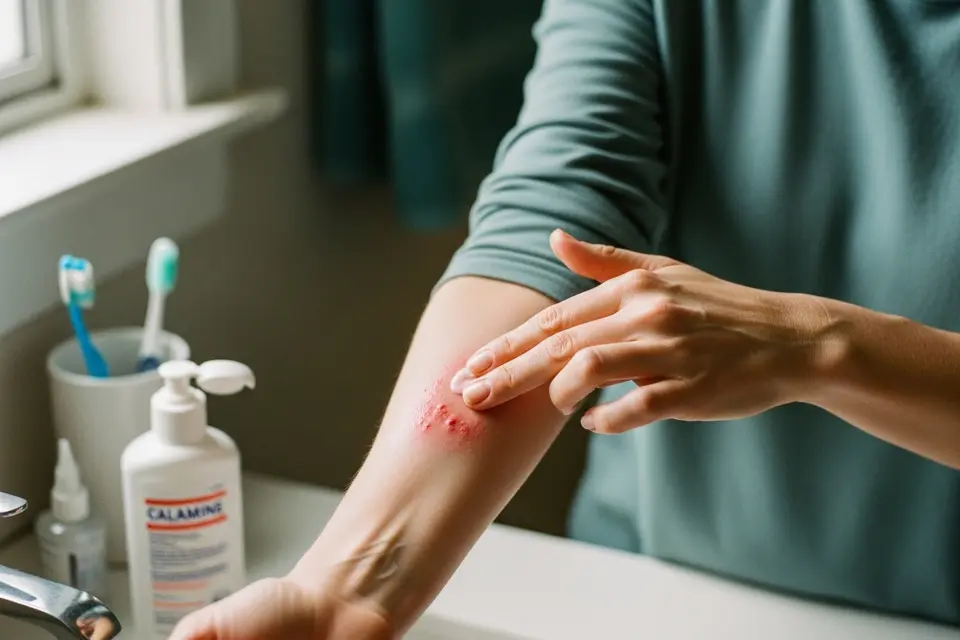
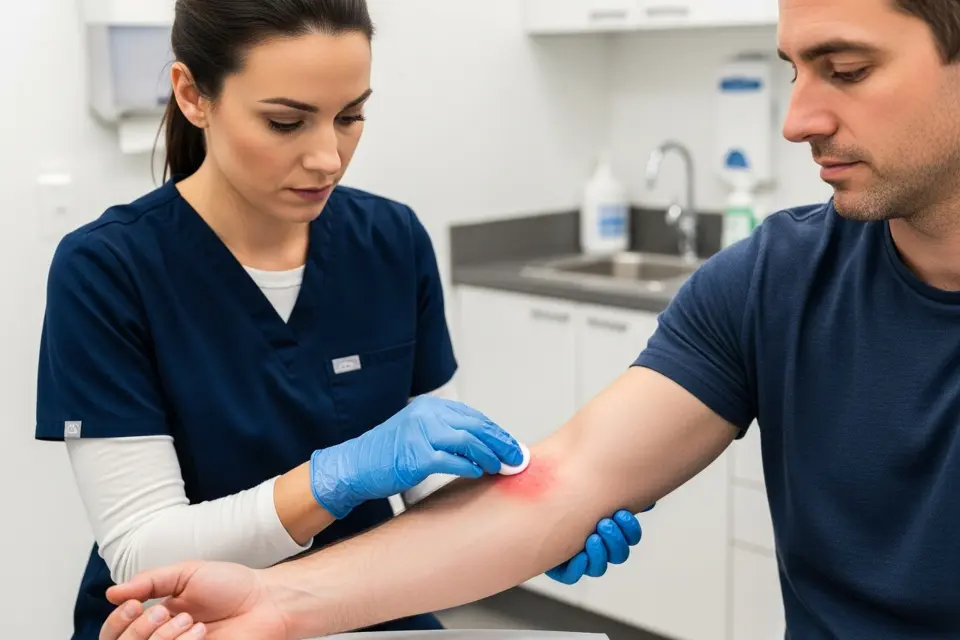
Shake the bottle thoroughly before each use since the ingredients separate when sitting. Clean and dry the affected skin area completely. Use a cotton ball or clean fingertip to apply a thin, even layer over the rash.
Allow the lotion to dry completely before covering with clothing. Reapply as needed when itching returns. Most people find relief with three to four applications daily.
Never apply calamine lotion to open wounds, deep cuts, or severely broken skin. The ingredients can cause stinging and delay wound healing. Avoid contact with eyes, mouth, and mucous membranes.
Overuse may lead to mild irritation or dryness. Stick to the recommended application frequency and discontinue use if irritation develops. Children should have calamine applied by adults to ensure proper placement.
Eczema requires moisture, not drying agents. Calamine lotion makes eczema worse by removing the skin's natural oils and increasing dryness. Thick emollients and prescription creams work far better for eczema management.
Psoriasis involves rapid skin cell turnover that calamine cannot address. This condition needs targeted treatments like coal tar preparations, vitamin D analogs, or immunomodulating medications. Using calamine on psoriasis wastes time and prolongs discomfort.
Hydrocortisone cream reduces inflammation at the cellular level, while calamine only addresses surface symptoms. For rashes involving significant swelling, redness, or immune response, hydrocortisone provides superior relief.
Calamine works better for weeping, oozing rashes where drying is beneficial. Hydrocortisone excels at treating dry, inflamed patches. Some rashes benefit from using both: hydrocortisone first to reduce inflammation, followed by calamine to dry blisters.
When itching affects large body areas or disrupts sleep, oral antihistamines like diphenhydramine or cetirizine provide whole-body relief. These medications block histamine receptors throughout the system rather than just treating the skin surface. Combining oral antihistamines with topical calamine often provides the most complete symptom control.
Infected rashes show increasing redness spreading beyond the original area. Warmth, swelling, and pus indicate bacterial involvement requiring antibiotics. Fever accompanying a rash signals the body fighting infection systemically. Red streaks extending from a rash toward the heart suggest lymphangitis, a serious infection needing immediate medical care.
Anaphylaxis causes throat swelling, difficulty breathing, rapid heartbeat, and dizziness. This life-threatening reaction requires emergency treatment with epinephrine. Calamine lotion cannot help with systemic allergic reactions. Hives covering large body areas, especially with facial swelling, warrant immediate medical evaluation.
Rashes lasting more than two weeks despite treatment need a professional diagnosis. Persistent rashes may indicate fungal infections, autoimmune conditions, or medication reactions that require specific treatments. Rashes that spread despite calamine use, worsen over time, or cause severe pain need evaluation. Doctronic.ai offers convenient telehealth visits for rash assessment, which takes weeks when scheduling with a dermatologist.
Calamine is generally safe for infants over three months old when applied to intact skin. Avoid using near the diaper area where moisture accumulates, and never apply to broken skin or rashes with open sores.
The cooling sensation provides immediate itch relief within minutes. Full drying of weeping lesions takes several days of consistent application. Most rashes show significant improvement within one week.
Yes. Calamine lotion loses effectiveness after the expiration date printed on the bottle. Expired lotion may separate permanently or develop an unusual odor. Replace bottles every two to three years.
Calamine is considered safe for external use during pregnancy. The ingredients do not absorb significantly into the bloodstream. Pregnant women should still consult their healthcare provider before using any medication.
Calamine lotion remains an effective, affordable treatment for many common rashes when used appropriately. For weeping, itchy rashes from plant contact, insect bites, or chickenpox, it delivers reliable relief. For rashes that persist, worsen, or show signs of infection, visit Doctronic.ai for 24/7 telehealth consultations with licensed physicians who can prescribe stronger treatments when calamine is not enough.
Get personalized health advice
Chat Now
Join 50,000+ readers using Doctronic to understand symptoms, medications,
and next steps.
Add your phone number below to get health updates and exclusive VIP offers.
By providing your phone number, you agree to receive SMS updates from Company. Message and data rates may apply. Reply “STOP” to opt-out anytime. Read our Privacy Policy and Terms of Service for more details.
Save your consults. Talk with licensed doctors and manage your health history.