Treatments and Prevention
Calamine Lotion: How It Works for Poison Ivy, Bug Bites, and Rashes
April 6, 2026
7 min read

Medically reviewed by Alan Lucks | MD, Alan Lucks MDPC Private Practice - New York on May 21st, 2026.
Published on March 30th, 2026. Updated on July 23rd, 2026.
Calamine lotion works through zinc oxide and ferric oxide, which create a protective barrier and provide cooling relief from poison ivy itching
Proper skin preparation before application prevents spreading the rash and maximizes the lotion's effectiveness
Reapply calamine every 4 to 6 hours or whenever the dried layer flakes off for consistent itch control
Combining calamine with oral antihistamines and cooling techniques provides stronger relief than either method alone
Expired calamine loses effectiveness and should be discarded after the expiration date or if the texture changes
Need guidance on treating a skin reaction? Doctronic.ai offers 24/7 AI-powered consultations to help determine the best treatment approach
That unbearable itch from a poison ivy encounter can make anyone desperate for relief. Calamine lotion for poison ivy has been a medicine cabinet staple for generations, and for good reason: it actually works. The pink liquid provides genuine relief when applied correctly, but most people use it ineffectively.
They slather it on too thick, apply it at the wrong times, or skip crucial preparation steps that determine whether the treatment succeeds or fails. Understanding how to use calamine lotion properly requires knowing both the science behind the formula and the practical techniques that maximize its benefits.
Calamine lotion contains two primary active ingredients that work together to soothe irritated skin. Zinc oxide makes up the bulk of the formula, typically around 8 to 25% of the solution. This compound acts as a mild astringent, meaning it causes skin tissue to contract slightly and reduces the oozing that often accompanies poison ivy blisters. The ferric oxide gives calamine its distinctive pink color and provides additional skin-protecting properties. Together, these minerals create a physical barrier on the skin that shields damaged tissue from further irritation while allowing it to heal underneath.
Poison ivy rashes develop when urushiol oil contacts the skin and triggers an immune response. Calamine does not neutralize urushiol directly, but it addresses the inflammatory reaction that follows exposure. When the lotion dries on the skin, evaporation creates a cooling sensation that temporarily overrides itch signals traveling to the brain. The dried layer also prevents scratching from directly contacting the damaged skin, reducing the risk of secondary infection. Medical experts recommend using hydrocortisone cream in the early stages when redness first appears, then switching to calamine lotion once blisters develop to dry them out.
Proper preparation determines how well calamine adheres and works. First, wash the affected area with lukewarm water and a mild soap to remove any remaining urushiol oil. Hot water opens pores and can intensify itching, so keep the temperature moderate. Pat the skin completely dry with a clean towel rather than rubbing, which can further irritate the rash. Wait 2 to 3 minutes after drying to ensure all moisture has evaporated, since calamine applied to damp skin will not form a proper protective layer.
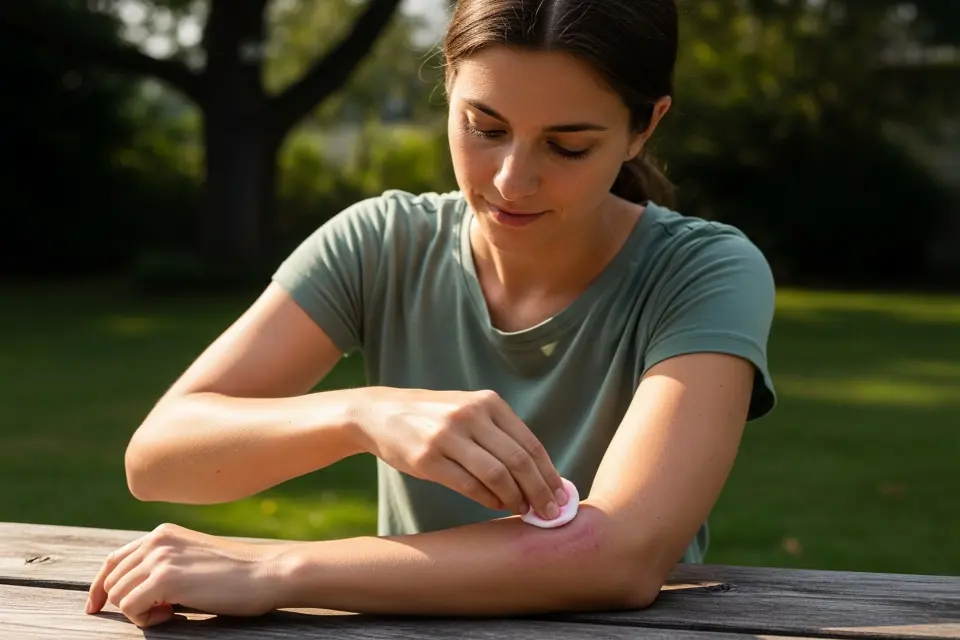
Shake the bottle vigorously before each use because the active ingredients settle at the bottom. Pour a small amount onto a cotton ball or clean gauze pad rather than applying directly from the bottle, which prevents contaminating the remaining lotion. Dab gently onto the rash in a single direction without rubbing back and forth. Use a fresh cotton ball for each affected area to avoid spreading urushiol to unaffected skin. Apply a thin, even coat rather than a thick layer, which takes longer to dry and can crack and flake prematurely.
Apply calamine lotion 3 to 4 times daily, or approximately every 4 to 6 hours during waking hours. Reapply whenever the dried layer begins to flake off or after bathing. Nighttime application before bed helps control itching during sleep when unconscious scratching is most likely. If you are unsure whether your rash is poison ivy or something else, learning to identify your rash can help you choose the right treatment.
Store calamine lotion in the refrigerator between uses for enhanced cooling relief upon application. The cold temperature intensifies the evaporative cooling effect and provides immediate comfort. Applying cool compresses to the area for 15 to 20 minutes before calamine application can reduce inflammation and make the lotion more effective. Ice packs wrapped in cloth work well, but avoid placing ice directly on blistered skin.
Calamine addresses surface symptoms while oral antihistamines like diphenhydramine work internally to reduce the allergic response. Taking an antihistamine 30 minutes before bedtime helps control nighttime itching that calamine alone may not fully address. This combination approach tackles the reaction from multiple angles.
Calamine lotion is for external use only and should never be swallowed or applied to open wounds, eyes, or mucous membranes. Avoid applying near the mouth, nostrils, or genital areas where the skin is more sensitive, and absorption rates differ. If poison ivy affects these areas, consult a healthcare provider rather than self-treating with calamine. Stop using calamine immediately if increased redness, swelling, or irritation develops, as this may indicate an allergic reaction to the lotion itself.
Check the expiration date before each use. Expired calamine loses effectiveness as the active ingredients degrade over time. Discard any lotion that has changed color significantly, developed an unusual odor, or separated in a way that shaking does not resolve. Most calamine lotions remain effective for about three years from manufacture when stored properly at room temperature away from direct sunlight.
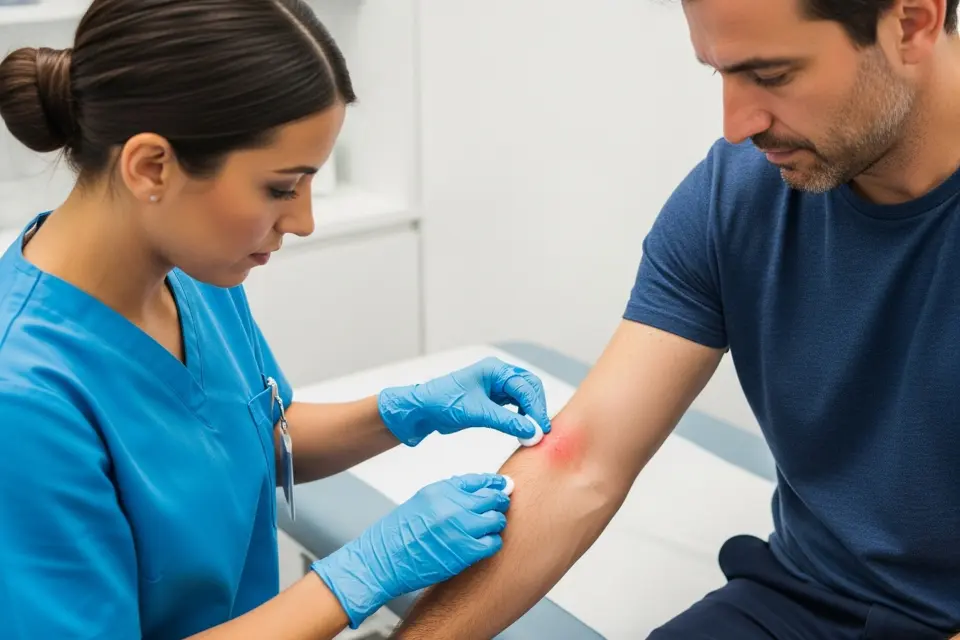
Calamine provides relief for mild to moderate poison ivy reactions, but some cases require professional medical intervention. Seek medical attention if the rash covers more than 10% of the body, spreads to the face, eyes, or genitals, or shows signs of infection like increasing redness, warmth, pus, or fever. Prescription corticosteroids are the most effective treatment for severe reactions, and a physician may prescribe oral or topical corticosteroids when over-the-counter products prove insufficient. Difficulty breathing or swallowing after poison ivy exposure requires emergency care.
For guidance on poison ivy treatment beyond calamine, including when prescription options may be necessary, Doctronic.ai offers 24/7 telehealth consultations with licensed physicians.
Calamine lotion does not cure poison ivy or shorten the duration of the rash. It provides symptomatic relief by reducing itching and protecting blistered skin. The rash will resolve on its own as the immune system processes the urushiol reaction, typically within 1 to 3 weeks.
Calamine lotion is generally safe for children of all ages when used externally as directed. Supervise young children to prevent them from ingesting the lotion or rubbing it into their eyes. Apply thin layers and keep treated areas accessible rather than covered by tight clothing.
Yes, but not simultaneously on the same area. Use hydrocortisone during the early inflammatory stage, then switch to calamine once blisters appear. Applying both products at the same time reduces the effectiveness of each.
The cooling relief begins within minutes of application as the lotion dries. The anti-itch effect typically lasts 4 to 6 hours before reapplication becomes necessary. Consistent use over several days provides the best results.
Calamine lotion remains one of the most effective over-the-counter treatments for poison ivy itch relief when applied correctly and consistently. Proper preparation, thin application, and regular reapplication make the difference between mild relief and significant comfort. For personalized guidance on treating poison ivy or any skin reaction, visit Doctronic.ai for 24/7 AI-powered consultations or affordable telehealth visits with licensed physicians.
Get urgent medical guidance today
Chat Now
Join 50,000+ readers using Doctronic to understand symptoms, medications,
and next steps.
Add your phone number below to get health updates and exclusive VIP offers.
By providing your phone number, you agree to receive SMS updates from Company. Message and data rates may apply. Reply “STOP” to opt-out anytime. Read our Privacy Policy and Terms of Service for more details.
Save your consults. Talk with licensed doctors and manage your health history.