Treatments and Prevention
Is Lyme Disease Contagious? What You Need to Know
April 9, 2026
6 min read

Medically reviewed by Alan Lucks | MD, Alan Lucks MDPC Private Practice - New York on May 21st, 2026.
Published on March 30th, 2026. Updated on July 23rd, 2026.
A bullseye rash after a bug bite often signals Lyme disease, but the classic ring pattern appears in only about 70% of confirmed cases
The rash typically develops 3 to 30 days after a tick bite and expands outward over time
Black-legged ticks (deer ticks) must remain attached for at least 24 hours, and typically 36 to 48 hours, to transmit Lyme bacteria
Other conditions like allergic reactions, STARI, and spider bites can mimic the bullseye appearance
Early antibiotic treatment is highly effective, making prompt diagnosis critical
Spotted a suspicious rash after time outdoors? Doctronic.ai offers 24/7 AI-powered consultations to help assess your symptoms and guide next steps
Finding a strange rash after spending time outdoors can be alarming. The question "Is this Lyme disease?" crosses many minds when they spot a circular mark on their skin. Lyme disease is the most common tick-borne illness in the United States, with roughly 476,000 Americans diagnosed and treated annually, based on insurance and laboratory data estimates.
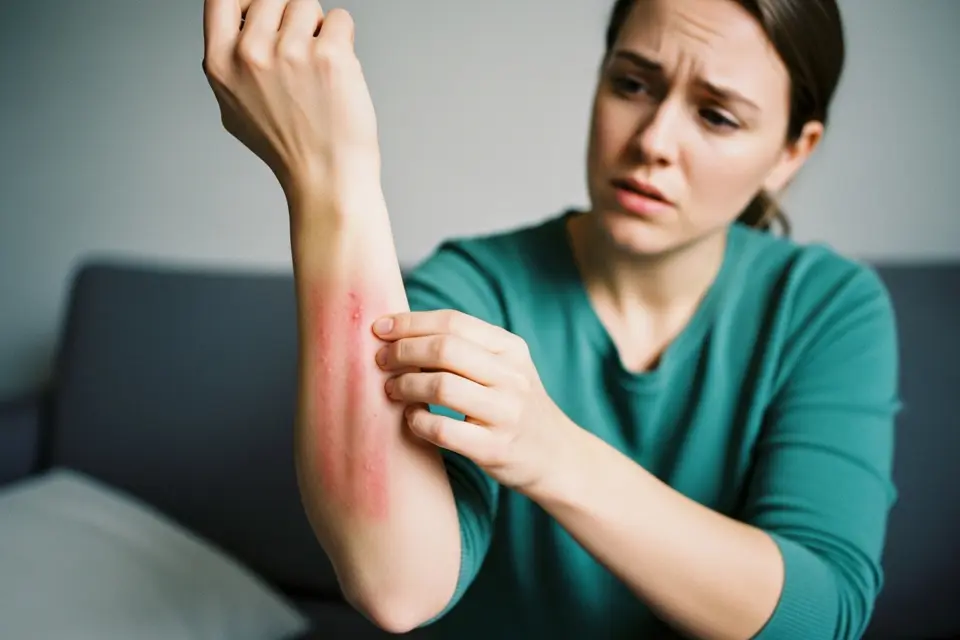
Understanding what a bullseye bug bite rash looks like, when to worry, and how it differs from other reactions can mean the difference between early treatment and prolonged illness. Not every circular rash indicates Lyme disease, and not every Lyme rash looks like a perfect bullseye.
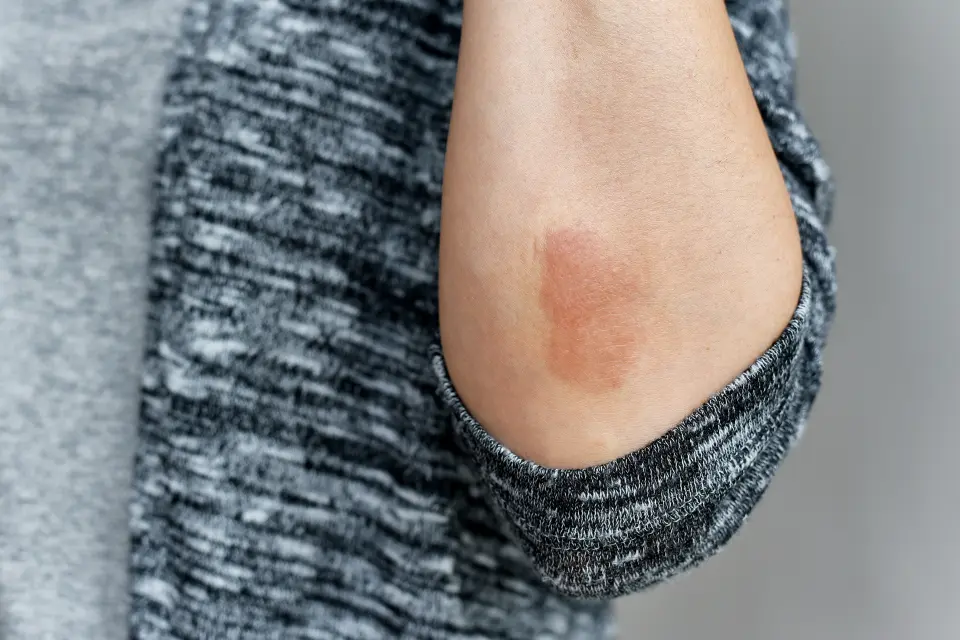
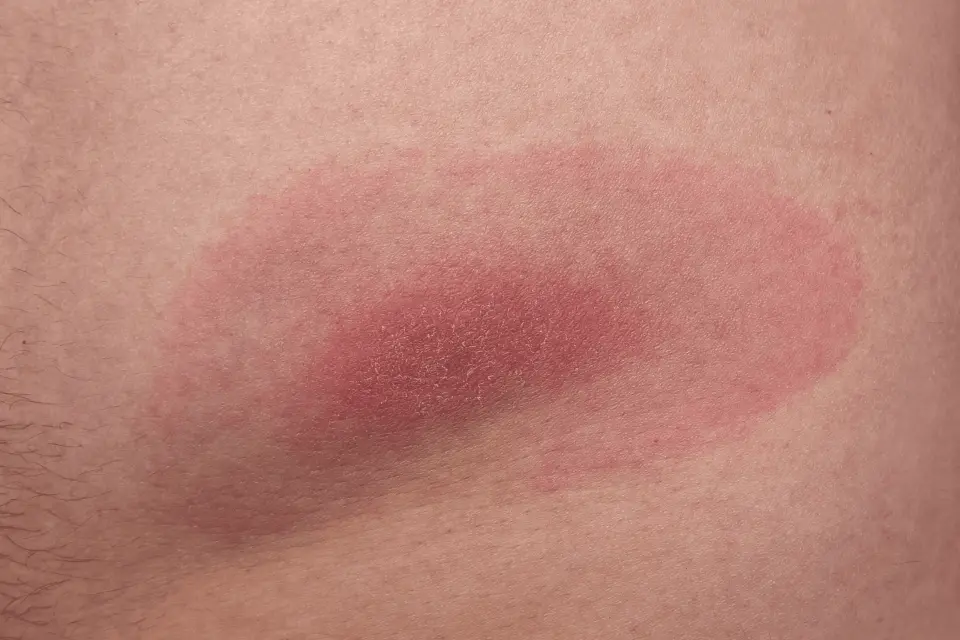
The medical term for the Lyme disease rash is erythema migrans. The textbook description shows a red center surrounded by a clear ring, then another red outer ring, creating a target or bullseye pattern. The reality is more complex. Many EM rashes appear as solid red or bluish patches without the distinctive rings. Clinicians need to recognize the full spectrum of Lyme disease rashes, not just the classic bullseye.
The rash does not show up immediately after a tick bite. Most people notice it between 3 and 30 days after being bitten, with 7 to 14 days being the most common window. The rash starts small and expands outward over several days, sometimes reaching up to 12 inches (30 cm) in diameter. This gradual expansion is a key feature that distinguishes it from immediate allergic reactions.
The rash appears at the site of the tick bite. Since ticks prefer warm, hidden areas, the rash commonly develops in the groin, armpits, behind the knees, along the hairline, or on the back. Children often have rashes on the head and neck because of their height when walking through tall grass. The location can make self-detection difficult, which is why full-body checks after outdoor activities matter.
Only certain ticks transmit Lyme disease. The black-legged tick, commonly called the deer tick, carries the Borrelia burgdorferi bacteria responsible for Lyme disease in the U.S. In Europe and parts of Asia, related species such as Ixodes ricinus and Ixodes persulcatus also transmit the infection. These ticks are tiny, especially in their nymph stage when they are about the size of a poppy seed. Dog ticks, lone star ticks, and other common species do not transmit Lyme disease, though they may carry other infections.
The bacteria do not transfer instantly. A tick must remain attached and feeding for at least 24 hours, and more commonly 36 to 48 hours, before transmission typically occurs. This window provides an opportunity for prevention. Finding and removing a tick within 24 hours significantly reduces infection risk. Daily tick checks during peak season are one of the most effective prevention strategies.
Mosquito bites, flea bites, and other insect stings often cause immediate red, itchy welts. These reactions appear within minutes to hours and typically shrink over 24 to 48 hours. An EM rash behaves differently: it expands rather than shrinks, usually causes minimal itching, and feels warm to the touch. If you are unsure what type of rash you are dealing with, comparing the timeline and progression can help narrow down the cause.
A condition called STARI produces a rash that looks nearly identical to Lyme disease. The lone star tick, common in southeastern and eastern states, causes this illness. The rash appears the same way, but STARI does not lead to the serious complications associated with Lyme disease. As of 2026, the exact cause of STARI remains unknown, and no infectious agent has been definitively identified. Geographic location and tick identification become important clues.
Spider bites and bacterial skin infections like cellulitis can create red, expanding patches that resemble EM rashes. Spider bites often have a central puncture wound and cause more pain. Cellulitis typically feels hot, tender, and may have streaking redness. Neither condition shows the gradual, painless expansion characteristic of an EM rash.
Many people with early Lyme disease feel like they have the flu. Fatigue, low-grade fever, chills, and general malaise often accompany the rash. These symptoms can appear even without a visible rash, making diagnosis more challenging. The combination of outdoor exposure, possible tick bite, and flu-like symptoms should raise suspicion.
Body aches and joint stiffness are common early symptoms. The pain may shift from one joint to another. Without treatment, Lyme disease can progress to Lyme arthritis, causing severe joint swelling, particularly in the knees. Early treatment prevents this progression.
Untreated Lyme disease can affect the nervous system. Symptoms include facial paralysis (Bell's palsy), numbness or tingling in the hands and feet, severe headaches, and neck stiffness. These signs indicate the infection has spread and require immediate medical attention.
Blood tests for Lyme disease look for antibodies against the bacteria. The problem is that antibodies take 2 to 6 weeks to develop after infection. Testing too early often produces false negatives. In 2026, the CDC continues to recommend a two-tiered testing approach, which may include an enzyme immunoassay followed by a second EIA or Western blot. Doctors frequently diagnose Lyme disease based on the characteristic rash and symptoms rather than waiting for test results. If you are wondering whether you need Lyme disease testing, a healthcare provider can help determine the right timing.
Oral antibiotics like doxycycline, amoxicillin, or cefuroxime are highly effective when given early. A typical course lasts 10 to 14 days for early localized disease, according to current CDC guidance, though durations may vary by presentation. Most people recover completely with prompt treatment. Delayed treatment increases the risk of complications and may require longer antibiotic courses or intravenous medication.
Use fine-tipped tweezers to grasp the tick as close to the skin as possible. Pull upward with steady, even pressure. Do not twist, squeeze, or burn the tick, as these methods can cause the tick to release more bacteria. Clean the bite area with rubbing alcohol or soap and water. Save the tick in a sealed container if possible for identification.
After removing a tick, watch the bite site daily for at least 30 days. Take photos to track any changes. A small red bump immediately after removal is normal and does not indicate Lyme disease. Expanding redness, especially with a clearing center, warrants medical evaluation.
The rash typically develops between 3 and 30 days after the bite, with most appearing within 7 to 14 days. Immediate redness at the bite site is usually just an irritation response, not Lyme disease.
Yes. The rash appears in only about 70% of confirmed Lyme cases. Some people never notice a rash, especially if it develops in a hidden location like the scalp or back.
Remove it immediately using fine-tipped tweezers. The sooner the tick is removed, the lower the transmission risk. Monitor the site for changes and note any flu-like symptoms over the following weeks.
No. Only black-legged ticks (deer ticks) in the United States carry the Lyme bacteria. Other tick species transmit different diseases but not Lyme.
A bullseye rash after a bug bite is a warning sign that deserves attention, but not every circular rash means Lyme disease. Early recognition and treatment lead to excellent outcomes in the vast majority of cases. For questions about symptoms or next steps, visit Doctronic.ai for 24/7 AI-powered consultations that help you assess your concerns and decide when to see a doctor.
Get personalized health advice
Chat Now
Join 50,000+ readers using Doctronic to understand symptoms, medications,
and next steps.
Add your phone number below to get health updates and exclusive VIP offers.
By providing your phone number, you agree to receive SMS updates from Company. Message and data rates may apply. Reply “STOP” to opt-out anytime. Read our Privacy Policy and Terms of Service for more details.
Save your consults. Talk with licensed doctors and manage your health history.