Mental Health
How to Calm an Anxiety Attack: Techniques That Work in the Moment
April 17, 2026
6 min read

Medically reviewed by Oghenefejiro Okifo | MD, Harvard Medical School | Henry Ford Hospital - Detroit, MI on April 26th, 2026.
Published on March 30th, 2026. Updated on July 23rd, 2026.
Bipolar depression requires different treatment than regular depression because standard antidepressants can trigger dangerous manic episodes
FDA-approved medications include mood stabilizers like lithium and lamotrigine, plus atypical antipsychotics such as quetiapine and lurasidone
Therapy options like CBT, Interpersonal and Social Rhythm Therapy, and Family-Focused Therapy work best when combined with medication
Advanced treatments including ECT, rTMS, and ketamine infusions offer hope for treatment-resistant cases
Sleep patterns and medication adherence are critical factors in maintaining long-term stability
Have questions about bipolar treatment options? Doctronic.ai offers 24/7 AI-powered consultations to help you prepare for conversations with your care team
Telehealth may not be appropriate for every medication or condition. Doctronic can help you understand your options and determine the appropriate next step.
Bipolar depression treatment differs fundamentally from standard depression care. People with bipolar disorder spend far more time in depressive states than manic ones, making the depressive episodes the primary source of suffering. The condition also reduces expected lifespan by an average of 8 to 12 years, making effective treatment essential.
Finding the right combination of medications and therapy can feel overwhelming. Many people try several approaches before discovering what works. The good news is that effective treatments exist, and most people can achieve stability with the right approach.
Bipolar depression looks similar to major depressive disorder on the surface. Both cause sadness, fatigue, sleep problems, and difficulty concentrating. The key difference lies in history: people with bipolar disorder have experienced at least one manic or hypomanic episode.
Doctors often misdiagnose bipolar depression as regular depression. This mistake happens because patients usually seek help during depressive episodes, not manic ones. Accurate diagnosis matters because treatment strategies differ significantly between the two conditions.
Standard antidepressants can push someone with bipolar disorder into a manic episode. This switch occurs in an estimated 10 to 20% of bipolar patients who take antidepressants without concurrent mood stabilizers, depending on the medication class and patient subtype. The resulting mania can cause severe problems: reckless spending, dangerous behavior, and damaged relationships.
This risk explains why bipolar depression treatment follows different rules. Mood stabilizers must form the foundation before adding any antidepressant medications.
Several medications have FDA approval specifically for treating bipolar depression. Each works through different brain pathways, and what helps one person may not help another. Working with a psychiatrist to find the right fit takes patience.
Lithium remains the gold standard mood stabilizer after decades of use. It reduces both manic and depressive episodes while lowering suicide risk. Regular blood tests monitor lithium levels because the therapeutic dose sits close to toxic levels.
Lamotrigine works particularly well for preventing depressive episodes. It requires slow dose increases to avoid a serious skin reaction called Stevens-Johnson syndrome. Once established, lamotrigine causes fewer side effects than many alternatives.
Valproate and carbamazepine also stabilize mood, though they work better for mania prevention than depression treatment. These medications require monitoring of liver function and blood cell counts.
Quetiapine has strong evidence for treating bipolar depression. It works at lower doses for depression than for mania or psychosis. Common side effects include sedation and weight gain, which some patients find intolerable.
Lurasidone treats bipolar depression with less weight gain than quetiapine. Taking it with food improves absorption. Cariprazine and lumateperone are newer options that also show effectiveness, with lumateperone receiving FDA approval for bipolar depression in adults.
Symbyax combines olanzapine and fluoxetine in one pill. The FDA approved it specifically for bipolar depression. The olanzapine component provides mood stabilization while fluoxetine addresses depressive symptoms.
This combination carries significant risk of weight gain and metabolic problems. Doctors typically reserve it for patients who have not responded to other options. Regular monitoring of weight, blood sugar, and cholesterol is essential.
Medication alone rarely provides complete relief. Research shows that combining medication with psychoeducational therapy is more effective at preventing illness recurrence than medication alone.
CBT teaches patients to identify and change negative thought patterns. For bipolar disorder, it focuses on recognizing early warning signs of mood episodes. Patients learn to challenge distorted thinking that can worsen depression or trigger mania.
The therapy also addresses behaviors that destabilize mood, including establishing regular routines, managing stress, and solving problems effectively. CBT typically involves 12 to 20 sessions with a trained therapist.
IPSRT was developed specifically for bipolar disorder. It combines interpersonal therapy with a focus on daily rhythms. The approach recognizes that disrupted routines often trigger mood episodes.
Patients track their daily activities, sleep times, and social interactions. The therapist helps them establish consistent patterns. This stability protects against both depression and mania.
Bipolar disorder affects entire families. FFT brings family members into treatment to improve communication and reduce conflict. Families learn about the illness and how to support their loved one.
The therapy teaches problem-solving skills and helps families develop crisis plans. Research shows FFT reduces relapse rates and improves medication adherence.
Some patients do not respond adequately to standard medications and therapy. Advanced treatments offer hope when first-line approaches fail.
ECT remains the most effective treatment for severe, treatment-resistant bipolar depression. Modern ECT uses anesthesia and muscle relaxants, making it much safer than historical portrayals suggest. Patients typically receive treatments two to three times weekly for several weeks.
Memory problems are the main concern with ECT. Most memory effects are temporary, though some patients report lasting difficulties. Despite its reputation, ECT can be life-saving for patients who have not responded to other treatments.
rTMS uses magnetic pulses to stimulate specific brain regions. It does not require anesthesia and has fewer side effects than ECT. Patients remain awake during treatment sessions that last about 30 minutes.
The FDA has approved rTMS for treatment-resistant depression. As of 2026, rTMS is not yet FDA-approved specifically for bipolar depression but may be used off-label under specialist supervision. Most patients need daily sessions for four to six weeks.
Ketamine works differently from traditional antidepressants. It can produce rapid improvement within hours or days rather than weeks. This speed makes it valuable for patients in crisis.
Esketamine nasal spray has FDA approval for treatment-resistant depression. Intravenous ketamine infusions are still considered off-label for both unipolar and bipolar depression, though research through 2025 supports their short-term efficacy under controlled medical settings. Both require administration in medical settings due to potential side effects, including dissociation.
Medications and therapy work best alongside healthy lifestyle habits. Small daily choices can significantly impact mood stability.
Sleep disruption is both a symptom and a trigger of bipolar episodes. Maintaining consistent sleep and wake times protects mood stability. This means going to bed and waking up at the same time every day, including weekends.
Avoiding screens before bed, limiting caffeine, and keeping the bedroom dark and cool all support better sleep. Some patients benefit from light therapy in the morning to regulate circadian rhythms.
Many bipolar patients stop taking medications when they feel better. This decision almost always leads to relapse. Staying on medication during stable periods prevents future episodes.
Regular appointments with psychiatrists allow for dose adjustments and early intervention. Keeping a mood journal helps identify triggers and warning signs. If a crisis arises and you need immediate mental health support, knowing your options in advance makes a difference.
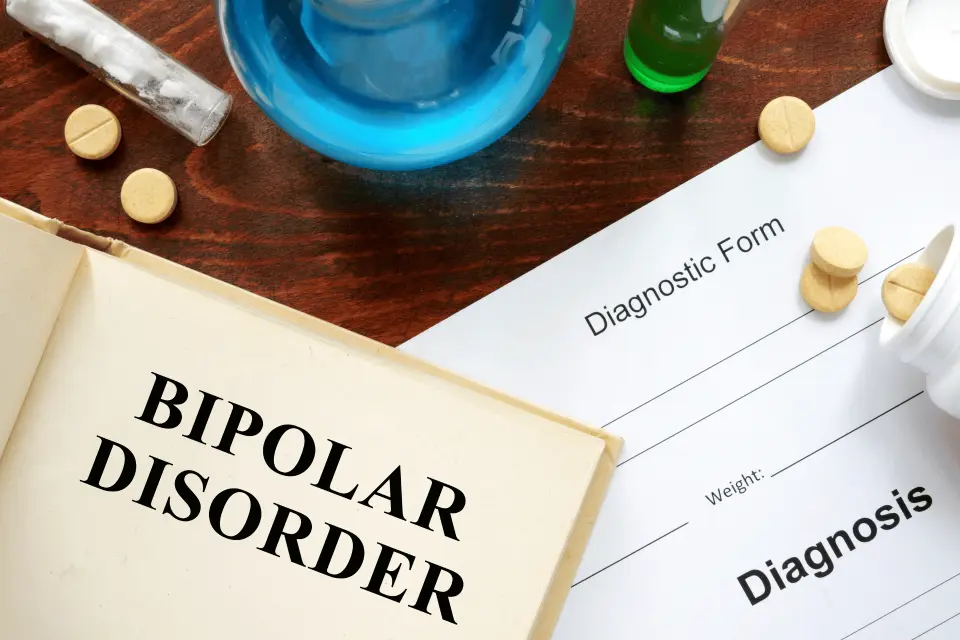
Medication is almost always necessary for bipolar disorder. Therapy and lifestyle changes help but rarely provide sufficient control alone. The risks of untreated bipolar disorder, including suicide, make medication essential for most patients.
Most medications require two to six weeks to show full effects. Some treatments like ketamine work faster. Finding the right medication combination often takes several months of trial and adjustment.
Taking antidepressants without mood stabilizers can trigger manic episodes in people with bipolar disorder. This switch can happen suddenly and cause serious problems. Always ensure proper diagnosis before starting any antidepressant.
Some supplements like omega-3 fatty acids may provide modest benefits as add-on treatments. No supplement replaces proven medications. Always discuss supplements with a doctor because some interact with bipolar medications.
Effective bipolar depression treatment combines medication, therapy, and lifestyle management. Finding the right approach takes time, but stability is achievable for most people. For guidance on treatment options and symptom tracking, visit Doctronic.ai for 24/7 AI-powered consultations that help you take the next step toward better mental health care.
Get mental health treatment
Chat Now
Join 50,000+ readers using Doctronic to understand symptoms, medications,
and next steps.
Add your phone number below to get health updates and exclusive VIP offers.
By providing your phone number, you agree to receive SMS updates from Company. Message and data rates may apply. Reply “STOP” to opt-out anytime. Read our Privacy Policy and Terms of Service for more details.
Save your consults. Talk with licensed doctors and manage your health history.