Skin Cancer
Cancerous Moles vs. Normal Moles: A Visual Guide to Melanoma Warning Signs
April 17, 2026
6 min read

Medically reviewed by Oghenefejiro Okifo | MD, Harvard Medical School | Henry Ford Hospital - Detroit, MI on May 20th, 2026.
Published on March 26th, 2026. Updated on July 24th, 2026.
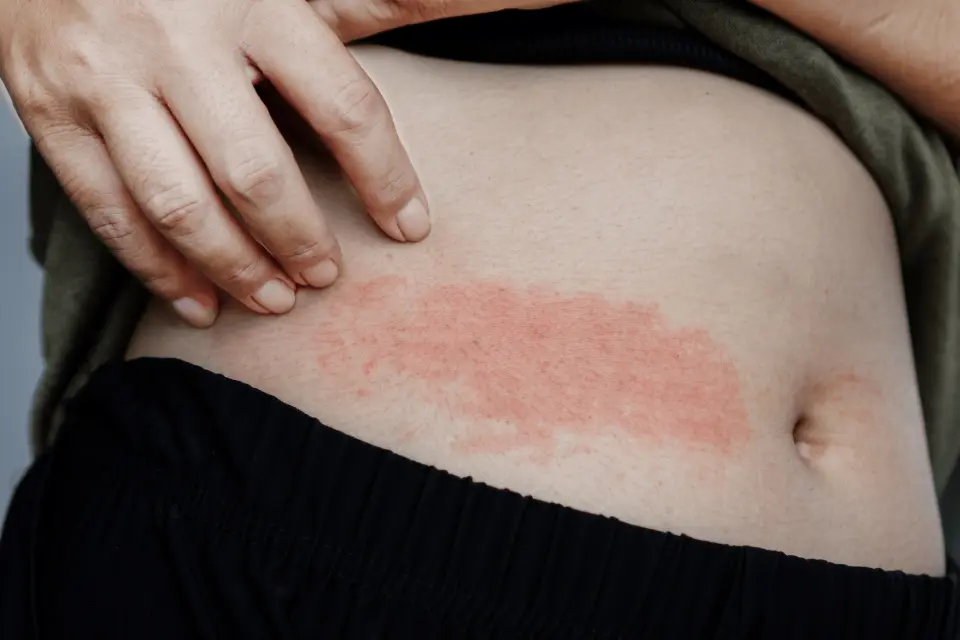
Allergic skin eruptions occur when the immune system overreacts to harmless substances, triggering histamine release and inflammation
Common types include atopic dermatitis, contact dermatitis, and urticaria, each requiring different treatment approaches
Approximately 3 in 10 U.S. adults and children reported having a seasonal allergy, eczema, or food allergy in 2024
Patch testing and skin prick tests remain the gold standard for identifying specific allergens
Treatment combines topical medications, oral antihistamines, and long-term avoidance strategies
Doctronic.ai offers free AI doctor consultations to help identify symptoms and guide treatment decisions
Allergic skin eruptions affect millions of people each year. These reactions range from mild redness to severe, widespread rashes that disrupt daily life. Understanding the causes, recognizing different types, and knowing treatment options helps patients manage their symptoms effectively. The skin serves as the body's largest organ and often displays the first visible signs of an allergic response. When the immune system mistakes a harmless substance for a threat, it launches a defensive attack that manifests on the skin's surface. This response can appear within minutes of exposure or develop gradually over several days. About one quarter of adults have an allergic condition, making these reactions remarkably common across all age groups.
The immune system normally protects the body from harmful invaders like bacteria and viruses. In allergic individuals, this system becomes confused and treats ordinary substances as dangerous threats. When an allergen contacts the skin, specialized immune cells called Langerhans cells and T-cells recognize it and trigger a cascade of defensive responses. These cells "remember" the allergen, causing reactions to become faster and more intense with repeated exposures.
Once the immune system identifies an allergen, mast cells release histamine and other inflammatory chemicals into surrounding tissues. Histamine causes blood vessels to widen and become leaky, allowing fluid to accumulate in the skin. This process creates the characteristic redness, swelling, and itching associated with allergic reactions. The inflammation can persist for hours or days, depending on continued allergen exposure and individual immune response patterns.
Atopic dermatitis is one of the most common allergic skin conditions, causing dry, itchy, inflamed skin patches that often appear in childhood and may persist into adulthood. The condition tends to run in families and frequently occurs alongside asthma and hay fever. Affected areas typically include the inner elbows, behind the knees, and on the face. Scratching worsens the condition and can lead to skin thickening and infection.
Contact dermatitis develops when skin touches a triggering substance. Irritant contact dermatitis results from direct damage to the skin barrier by harsh chemicals, soaps, or repeated friction. Allergic contact dermatitis involves an immune-mediated response to specific substances like nickel, poison ivy, or fragrances. Dermatologists emphasize the importance of identifying and avoiding allergens for treating allergic contact dermatitis effectively.
Urticaria presents as raised, itchy welts that can appear anywhere on the body and shift locations within hours. Individual hives typically resolve within 24 hours, though new ones may continuously form. Angioedema involves deeper swelling beneath the skin's surface, commonly affecting the lips, eyelids, and throat. Both conditions require prompt attention, especially when breathing becomes affected.
Fragrances represent the most common cause of cosmetic allergies, appearing in lotions, shampoos, and household products. Preservatives like methylisothiazolinone and formaldehyde-releasing chemicals frequently trigger reactions. Hair dyes containing paraphenylenediamine cause severe allergic responses in sensitive individuals. Reading ingredient labels and choosing fragrance-free products reduces exposure risk significantly.
Certain foods trigger skin reactions ranging from mild hives to severe widespread rashes. Common culprits include shellfish, tree nuts, eggs, and dairy products. Medications like penicillin, sulfa drugs, and nonsteroidal anti-inflammatory drugs frequently cause allergic skin eruptions. These reactions may appear immediately or develop days after starting a new medication.
Airborne allergens like pollen, mold spores, and pet dander can trigger skin symptoms in addition to respiratory reactions. Direct contact with plants like poison ivy, poison oak, and poison sumac causes classic allergic contact dermatitis. Dust mites living in bedding and carpets worsen eczema symptoms through both contact and inhalation exposure.
Patch testing involves applying small amounts of suspected allergens to the skin under adhesive patches for 48 hours. This method identifies delayed-type allergic reactions to substances like metals, fragrances, and preservatives. Skin prick tests introduce tiny amounts of allergens just beneath the skin's surface and produce results within 15-20 minutes. These tests help pinpoint specific triggers so patients can implement targeted avoidance strategies.
Blood tests measure immunoglobulin E antibodies specific to various allergens. This option works well for patients who cannot undergo skin testing due to severe eczema or medication use. Results indicate sensitization levels to specific substances, helping guide treatment decisions. Doctronic.ai can help patients understand their test results and discuss next steps with qualified healthcare providers.
Topical corticosteroids reduce inflammation quickly and remain the first-line treatment for most allergic skin eruptions. Strength ranges from mild hydrocortisone available over-the-counter to potent prescription formulations. Calcineurin inhibitors like tacrolimus and pimecrolimus offer steroid-free alternatives for sensitive areas like the face. These medications suppress local immune responses without causing the skin thinning associated with long-term steroid use.
Second-generation antihistamines like cetirizine, loratadine, and fexofenadine control itching without causing significant drowsiness. First-generation options like diphenhydramine provide stronger itch relief but cause sedation. Severe cases may require oral corticosteroids, immunosuppressants, or biologic medications such as dupilumab, tralokinumab, or omalizumab that target specific immune pathways. Treatment selection depends on eruption severity, affected body areas, and individual patient factors.
Applying thick, fragrance-free moisturizers immediately after bathing locks in hydration and repairs the skin barrier. Ceramide-containing products specifically restore the skin's protective lipid layer. Bathing in lukewarm water for 10-15 minutes hydrates the skin without stripping natural oils. Avoiding harsh soaps and using gentle, pH-balanced cleansers prevents further irritation.
Keeping a symptom diary helps identify patterns and pinpoint specific triggers over time. Washing new clothing before wearing removes chemical residues from manufacturing. Using hypoallergenic bedding covers reduces dust mite exposure during sleep. Maintaining cool, humid environments prevents skin dryness that worsens eczema symptoms.
Duration varies based on the type of reaction and treatment approach. Hives often resolve within 24-48 hours once the trigger is removed. Contact dermatitis may persist for 2-4 weeks even with treatment. Eczema follows a chronic pattern with flares lasting days to weeks between periods of remission.
Allergies can develop at any age, even to substances previously tolerated without problems. Adult-onset allergies have become increasingly common. New medications, occupational exposures, and hormonal changes can all trigger first-time allergic reactions.
Seek immediate medical attention if skin reactions accompany difficulty breathing, throat swelling, dizziness, or rapid heartbeat. These symptoms may indicate anaphylaxis, a life-threatening allergic response requiring emergency treatment.
Genetic factors significantly influence allergy development. Children with one allergic parent have a 30-50% chance of developing allergies. When both parents have allergies, this risk increases to 60-80%.
Allergic skin eruptions require proper identification of triggers combined with appropriate treatment strategies for effective management. Understanding the underlying causes helps patients take control of their symptoms and improve their quality of life. For personalized guidance on managing allergic skin conditions, Doctronic.ai offers free AI doctor consultations and affordable telehealth visits with licensed physicians available 24/7.
Explore treatment options
Chat Now
Join 50,000+ readers using Doctronic to understand symptoms, medications,
and next steps.
Add your phone number below to get health updates and exclusive VIP offers.
By providing your phone number, you agree to receive SMS updates from Company. Message and data rates may apply. Reply “STOP” to opt-out anytime. Read our Privacy Policy and Terms of Service for more details.
Save your consults. Talk with licensed doctors and manage your health history.