Diseases and Conditions
Omeprazole Side Effects Timeline: Week by Week Guide
May 17, 2026
5 min read

Medically reviewed by Veronica Hackethal | MD, MSc, Harvard University | University of Oxford | Columbia Vagelos College of Physicians and Surgeons on May 25th, 2026.
Published on March 26th, 2026. Updated on July 24th, 2026.
Age spots result from years of sun exposure triggering excess melanin production in the skin
Daily broad-spectrum sunscreen with SPF 30 or higher remains the most effective prevention strategy
Topical treatments containing retinoids, vitamin C, and niacinamide can fade existing spots over time
Professional procedures like laser therapy and chemical peels offer faster results for stubborn pigmentation
Any spot that changes in size, shape, or color warrants immediate evaluation by a dermatologist
Have questions about a skin spot? Doctronic.ai provides 24/7 AI-powered medical guidance for skin concerns
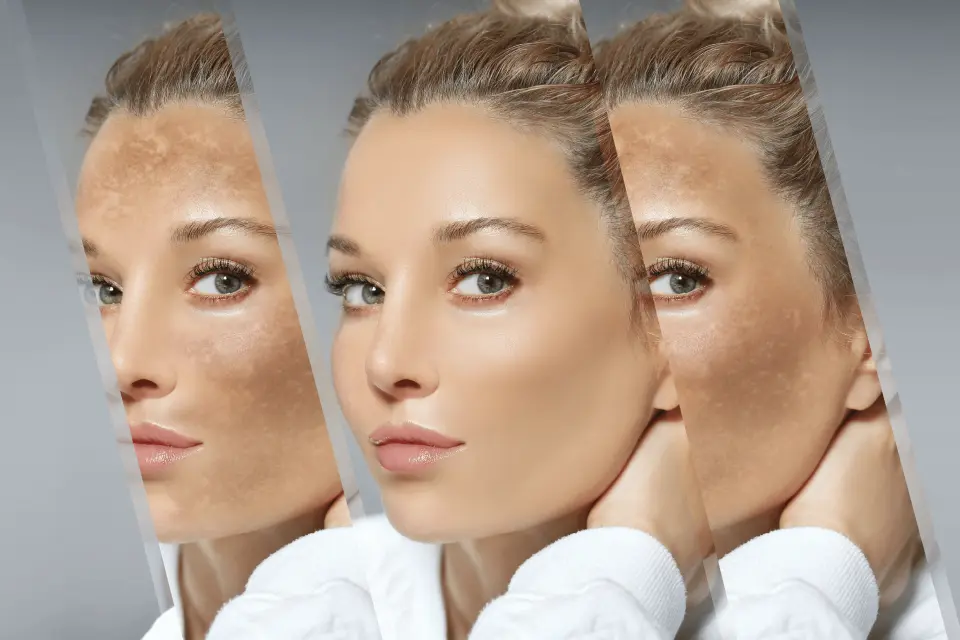
Those flat, dark patches appearing on your cheeks, forehead, and temples tell a story of sun exposure accumulated over decades. Age spots, also known as solar lentigines, are flat dark areas on the skin caused primarily by ultraviolet (UV) exposure. They develop most commonly after age 50, though people with lighter skin or extensive sun history may notice them earlier. Understanding why these spots form is the first step toward both preventing new ones and treating existing discoloration.
Melanocytes are specialized cells in the skin that produce melanin, the pigment responsible for skin color. When ultraviolet radiation hits the skin repeatedly over years, these cells can become damaged and overactive. Instead of distributing melanin evenly, they begin clustering together and producing excess pigment in concentrated areas. This creates the characteristic brown, tan, or gray patches that distinguish age spots from normal skin tone. The process is cumulative, meaning damage from childhood sunburns contributes to spots appearing decades later.
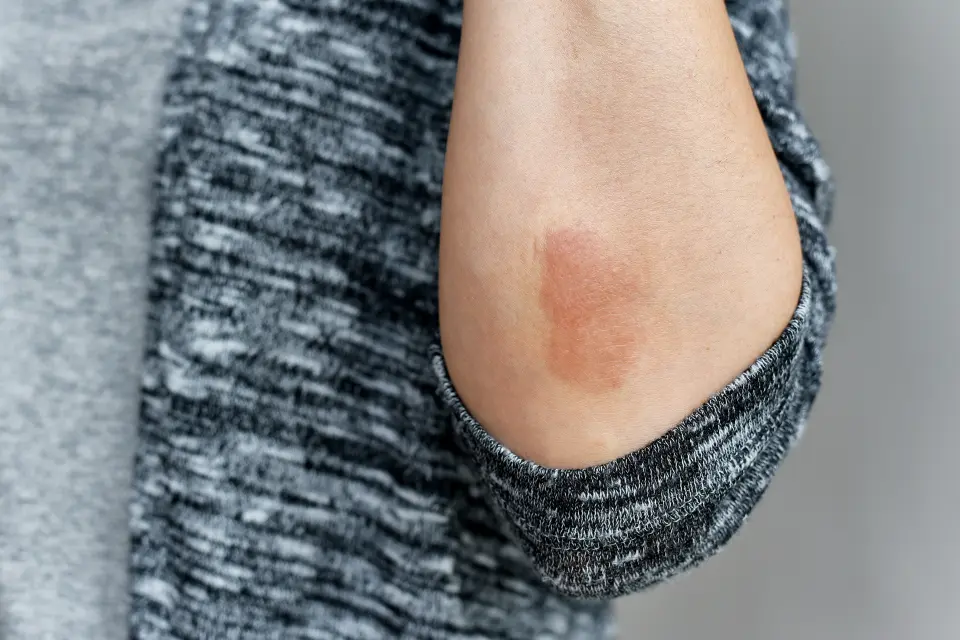
Age spots are completely flat, uniformly colored, and have clear borders. They do not itch, bleed, or change rapidly. Moles, by contrast, are often raised and may have irregular coloring. Seborrheic keratoses appear waxy or scaly. Melanoma, the most dangerous skin cancer, typically shows asymmetry, irregular borders, multiple colors, or changes over time. If any spot on your face looks different from others, grows quickly, or develops uneven coloring, skip the home treatments and see a dermatologist immediately.
Prevention costs less, hurts less, and works better than any treatment. Board-certified dermatologists emphasize that sun protection is crucial in any age spot treatment regimen. Without consistent daily protection, new spots will continue forming even while you treat existing ones.
Choose a broad-spectrum sunscreen with SPF 30 or higher for daily use. Apply it every single morning, even on cloudy days, even when staying indoors near windows. Most people use far too little product, reducing its effectiveness by half or more. For the face alone, use about a nickel-sized amount. Reapply every two hours during direct sun exposure, and immediately after swimming or heavy sweating.
Sunscreen alone is not enough for high-risk individuals. Wide-brimmed hats shade the face far better than baseball caps. Sunglasses protect the delicate skin around the eyes where age spots commonly form. Seek shade during peak UV hours between 10 a.m. and 4 p.m. for optimal protection. Consider UPF-rated clothing for extended outdoor activities.
What you eat affects your skin's ability to resist UV damage. Foods rich in vitamins C and E, beta-carotene, and polyphenols provide internal protection against oxidative stress. Dark leafy greens, berries, citrus fruits, nuts, and green tea all contribute to skin resilience. These dietary choices complement topical treatments rather than replacing them.
Effective over-the-counter options can significantly fade age spots with consistent use over several months. Patience matters here since visible results typically take 8 to 12 weeks minimum.
Retinoids accelerate the rate at which skin cells shed and regenerate. This process gradually pushes pigmented cells to the surface where they slough off, revealing fresher skin beneath. Start with lower concentrations to minimize irritation, and always apply retinoids at night since they increase sun sensitivity. Prescription-strength retinoids work faster than over-the-counter retinol but require a doctor's supervision.
Vitamin C inhibits the enzyme tyrosinase, which plays a key role in melanin synthesis. It also provides antioxidant protection against further UV damage. Niacinamide, a form of vitamin B3, prevents melanin from transferring to skin cells and reduces inflammation. Both ingredients work well together and cause minimal irritation for most skin types.
Alpha hydroxy acids like glycolic and lactic acid dissolve the bonds between dead skin cells, speeding up natural exfoliation. This helps fade surface-level pigmentation while improving overall skin texture. Start with lower concentrations twice weekly, gradually increasing frequency as your skin adjusts. Always follow acid treatments with sunscreen since exfoliated skin burns more easily.
When topical treatments prove insufficient, dermatologists offer several professional procedures for stubborn hyperpigmentation. Age spot treatments work faster than creams but cost more and may require downtime.
Lasers target melanin specifically, breaking up pigment clusters without damaging surrounding tissue. IPL uses broad-spectrum light to achieve similar results with less precision but broader coverage. Most patients need three to six sessions spaced several weeks apart. Temporary darkening of treated spots is normal before they fade and flake off.
Professional-grade chemical peels penetrate deeper than at-home products, removing multiple layers of pigmented skin. Medium-depth peels containing trichloroacetic acid produce more dramatic results but require longer recovery. Microdermabrasion uses fine crystals or a diamond tip to physically buff away surface pigmentation. Both methods require sun avoidance during healing.
Cryotherapy freezes individual age spots with liquid nitrogen, destroying pigmented cells. The treated area blisters, scabs, and eventually heals with lighter skin. This method works best for isolated spots rather than widespread discoloration. Some patients experience temporary lightening beyond the treated area.
Certain natural ingredients show mild skin-lightening effects, though they work slower than commercial products. Aloe vera gel soothes skin while providing gentle lightening compounds. Licorice root extract contains glabridin, which inhibits melanin production. Apple cider vinegar, when diluted properly, may help with mild exfoliation but should be used cautiously to avoid skin irritation. These remedies complement rather than replace proven treatments. For personalized guidance on combining approaches, Doctronic.ai offers AI-powered consultations that consider your complete skin history.
Schedule an appointment if any spot changes color, grows rapidly, develops irregular borders, or bleeds. Multiple new spots appearing suddenly warrant evaluation. Spots that fail to respond to three months of consistent treatment may need professional assessment. Annual skin checks become increasingly important after age 50, especially for those with fair skin or sun damage history. Doctronic.ai can help determine whether your skin changes require urgent attention or routine monitoring.
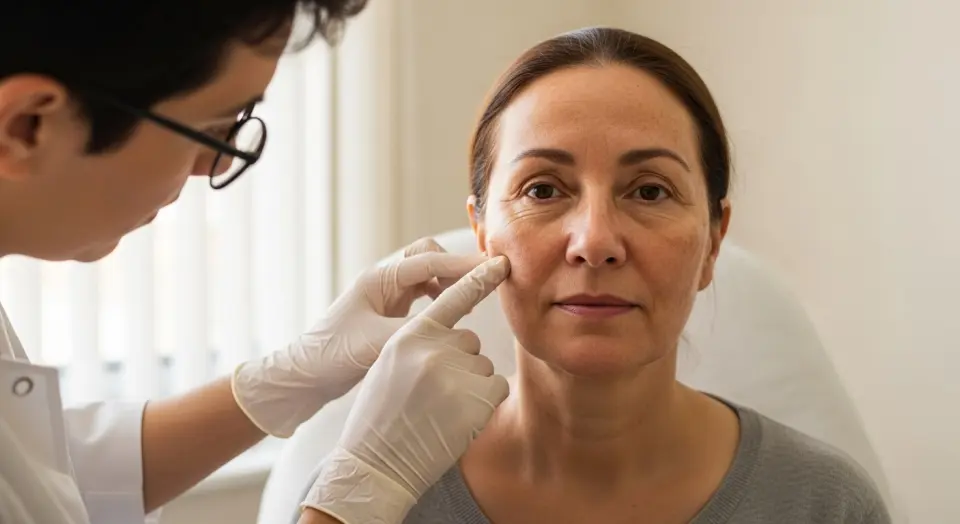
Age spots themselves are benign and do not transform into cancer. The concern is that melanoma can sometimes resemble an age spot initially. Any spot showing asymmetry, irregular borders, multiple colors, or rapid changes should be examined by a dermatologist promptly.
Most over-the-counter treatments require 8 to 12 weeks of consistent daily use before visible improvement occurs. Prescription-strength products may work faster. Professional procedures typically show results within four to eight weeks after treatment.
Without ongoing sun protection, new spots will continue forming and treated spots may darken again. Maintenance requires daily sunscreen, protective clothing, and often continued use of brightening products at lower frequencies.
Some treatments carry higher risks of post-inflammatory hyperpigmentation in darker skin. Gentler approaches like vitamin C, niacinamide, and lower-strength retinoids are generally safer. Professional procedures require a dermatologist experienced with melanin-rich skin.
Preventing and treating age spots on your face requires consistent sun protection combined with proven topical ingredients or professional procedures. For personalized guidance on your skin concerns, visit Doctronic.ai to access 24/7 AI-powered medical consultations that remember your history and provide expert recommendations.
Explore treatment options
Chat Now
Join 50,000+ readers using Doctronic to understand symptoms, medications,
and next steps.
Add your phone number below to get health updates and exclusive VIP offers.
By providing your phone number, you agree to receive SMS updates from Company. Message and data rates may apply. Reply “STOP” to opt-out anytime. Read our Privacy Policy and Terms of Service for more details.
Save your consults. Talk with licensed doctors and manage your health history.