Diseases and Conditions
Omeprazole Side Effects Timeline: Week by Week Guide
May 17, 2026
5 min read

Medically reviewed by Faith Coleman, University of New Mexico School of Medicine on August 31st, 2026.
Published on October 11th, 2023.
Blacklegged ticks must remain attached for 36-48 hours to transmit Lyme disease, while Rocky Mountain spotted fever can spread within 2-6 hours from dog tick bites.
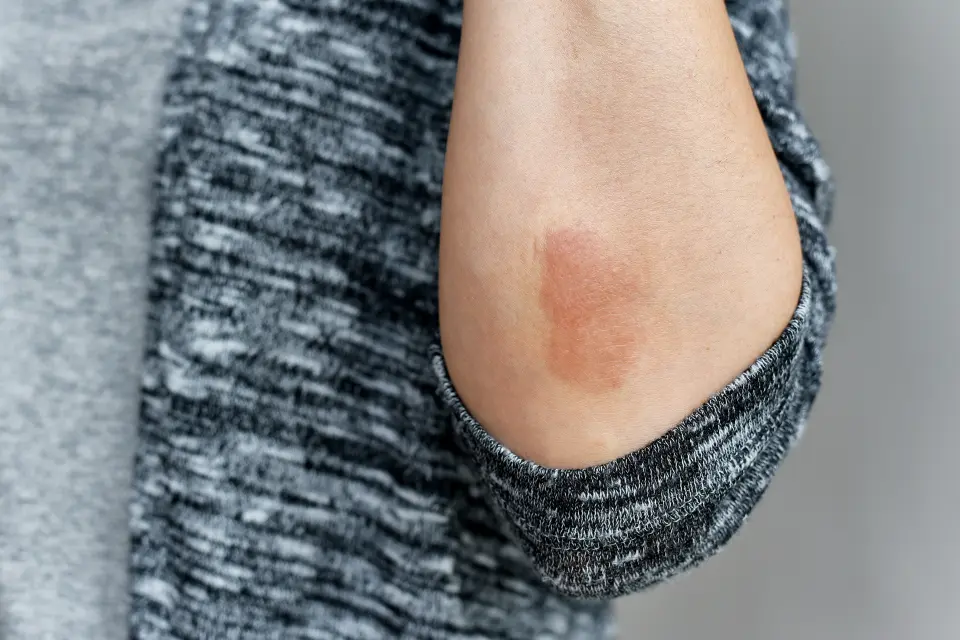
The characteristic bull's-eye rash (erythema migrans) appears in only 70-80% of Lyme disease cases and typically develops 3-30 days after the bite, expanding outward from the bite site.
Proper removal requires fine-tipped tweezers to grasp the tick as close to skin as possible—avoid twisting, petroleum jelly, or heat, which can cause the tick to regurgitate infected fluids.
DEET concentrations of 20-30% provide 4-6 hours of protection, while permethrin-treated clothing kills ticks on contact and remains effective through 70+ washes.
Peak transmission occurs May through September when nymphal ticks (smaller than a poppy seed) are most active and hardest to detect during routine checks.
Questions about tick bites?
Free. Anonymous. Built by doctors.
Talk to our AI doctor for a clear, personalized read on your situation.
Tick bites can be more than just a nuisance. Unlike other bug bites, tick bites can transmit serious diseases. It's important to know how to identify tick bites, recognize symptoms of tick-borne illnesses, treat bites properly, and prevent future bites.
Ticks are small, often hard to see, and their bites are usually painless. When a tick bites you, it burrows its head into your skin and feeds on your blood for several days. You may notice:
Ticks commonly bite in warm, moist, or hairy areas like the scalp, behind the ear, armpits, groin, and between fingers and toes.

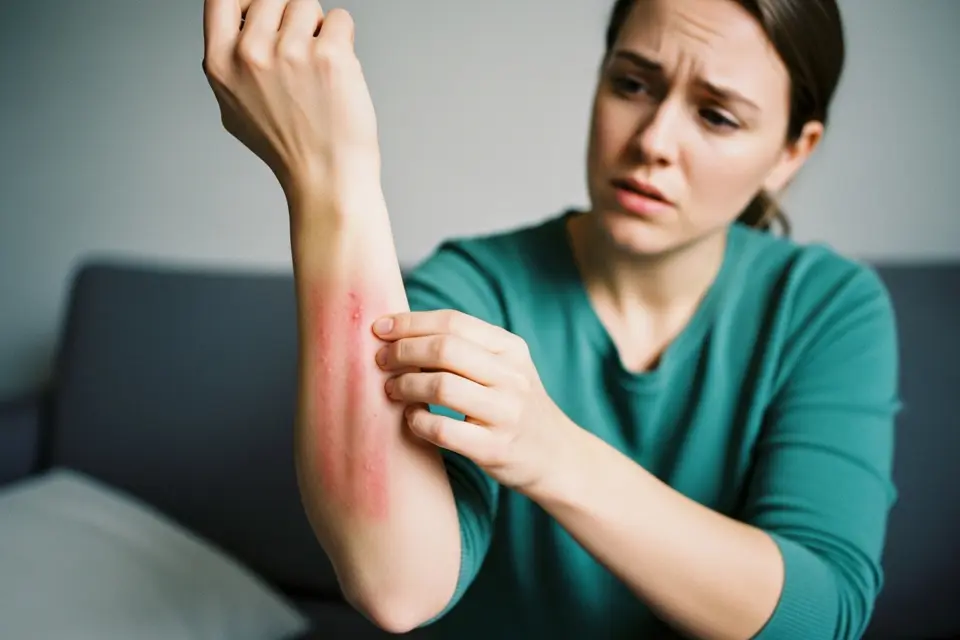
Tick bites often cause a skin reaction, even if they don't transmit a disease. Common symptoms include:
Tick-borne diseases can cause additional symptoms like body aches, chills, fatigue, fever, and headache. Some diseases also cause rashes, such as:
If you find a tick attached to your skin, follow these steps:
Seek emergency care if you have symptoms of a severe allergic reaction (anaphylaxis) or tick paralysis, which can make it difficult to move or breathe.
To reduce your risk of tick bites:
For more information on ticks and tick-borne diseases, visit the CDC's tick website or consult your healthcare provider.
Quick tick removal within 24 hours dramatically reduces your risk of contracting tick-borne diseases, even if the tick was infected. Daily full-body checks and immediate removal using proper technique are your best defense after outdoor exposure. If you develop expanding rashes, fever, or flu-like symptoms following a tick bite, Doctronic can help you assess your symptoms and determine if medical evaluation is needed.
This article is educational only and is not a substitute for personal advice from a healthcare provider.
Get personalized health advice
Chat Now