
How to Store Ozempic and Other GLP-1 Medications

Medically reviewed by Alan Lucks | MD, Alan Lucks MDPC Private Practice - New York on November 28th, 2025.
Published on November 28th, 2025. Updated on July 23rd, 2026.
Key takeaways
Unopened pens must be refrigerated at 36-46°F (2-8°C), but once first used, they can stay at room temperature 59-86°F (15-30°C) for up to 56 days before expiring.
Freezing temperatures permanently destroy the active semaglutide or tirzepatide molecules, making the entire pen unsafe and ineffective—even brief exposure requires discarding the medication.
Compromised medication becomes visibly cloudy, changes color, or develops floating particles, all clear indicators the pen must be thrown away immediately regardless of expiration date.
During travel, use insulated cooler bags with ice packs but create a barrier between ice and pens using towels or bubble wrap to prevent accidental freezing damage.
Store pens in original packaging away from direct sunlight, heat sources like car dashboards or radiators, and humid areas like bathrooms to maintain medication stability.
Questions about GLP-1 storage?
Free. Anonymous. Built by doctors.
This article covers general information. Ask Doctronic about your symptoms, medications, side effects, or treatment options.
Proper Storage Practices to Maintain Ozempic’s Effectiveness
Managing your medication properly is crucial for ensuring its effectiveness, especially with drugs like Ozempic and other GLP-1 receptor agonists. These medications require careful storage to maintain their potency and safety. Whether you are new to these treatments or have been prescribed them for a while, understanding how to store them correctly can make a significant difference in your health outcomes.
Understanding the storage requirements of medications like Ozempic is crucial for maintaining their efficacy. For instance, keeping unopened pens in the refrigerator ensures that the active ingredients remain stable and potent. However, once a pen is opened, it should be kept in the refrigerator or at room temperature and used within a specific timeframe, typically 56 days, to ensure that it continues to work effectively. This shift in storage conditions can be confusing, but it is essential for patients to adhere to these guidelines to maximize the benefits of their treatment.
It is vital to consider the environmental factors that can impact these medications. Exposure to direct sunlight or extreme temperatures, such as leaving a pen in a hot car, can degrade the medication and render it ineffective. Patients should also be aware of the proper disposal methods for any expired or unused medications. Many communities offer take-back programs or designated disposal sites to prevent accidental ingestion or environmental harm. Utilizing telehealth services like Doctronic.ai not only provides patients with convenient access to medical advice but also helps them navigate these important aspects of medication management with ease and confidence.
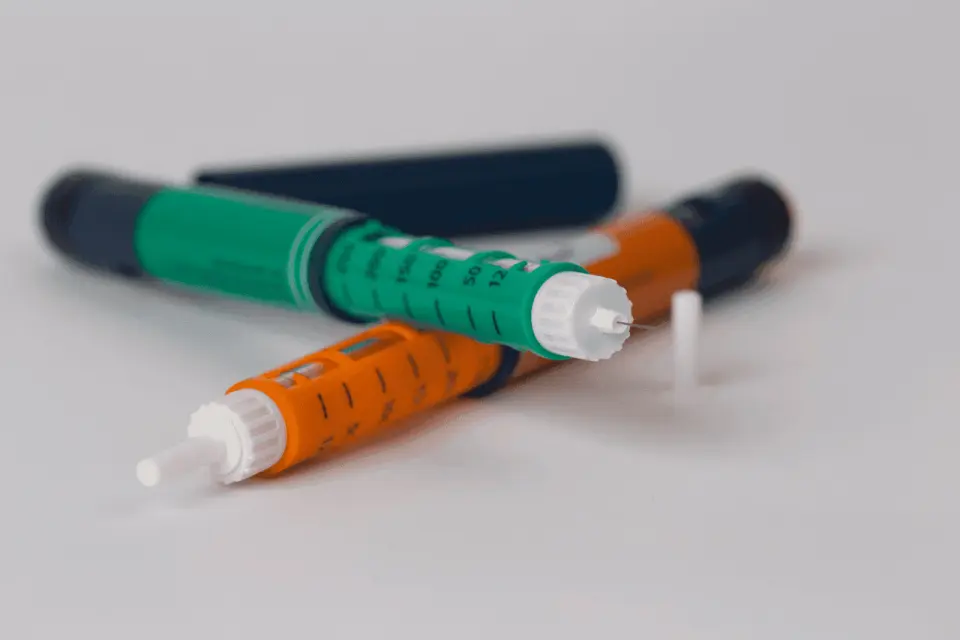 Understanding GLP-1 Medications and Their Storage Needs
What Are GLP-1 Medications?
GLP-1 receptor agonists, such as Ozempic, are a class of injectable drugs commonly prescribed to manage type 2 diabetes and sometimes for weight management. They work by mimicking the glucagon-like peptide-1 hormone to regulate blood sugar levels and appetite. Because these medications are delicate proteins, they require careful handling and storage. These medications not only help in lowering blood sugar levels but also promote a feeling of fullness, which can aid in weight loss efforts. As a result, they have gained popularity among healthcare providers and patients alike, being part of a comprehensive approach to managing diabetes and obesity.
Why Proper Storage Matters
Storing GLP-1 medications correctly is essential to preserving their chemical structure and effectiveness. Exposure to temperatures outside the recommended range can degrade the medication, reducing its potency and potentially leading to less effective blood sugar control. This can increase the risk of complications related to diabetes or other conditions being treated. Improper storage can also lead to the formation of aggregates or clumps in the medication, which can hinder proper dosing and administration. It is crucial for patients to be aware of the specific storage requirements, such as keeping the medication refrigerated until it is ready for use, and to avoid exposing it to extreme temperatures, light, or humidity.
In addition to temperature considerations, the way GLP-1 medications are handled can also impact their effectiveness. For instance, patients should be instructed to gently roll the pen or vial before use rather than shaking it vigorously, as this can cause foaming and affect the medication's integrity. Understanding these nuances not only empowers patients to take control of their treatment but also fosters a sense of responsibility in managing their health. Proper education on storage and handling can significantly enhance the therapeutic outcomes of GLP-1 medications, leading to better overall management of diabetes and related conditions.
How to Store Ozempic and Other GLP-1 Medications
Before First Use: Refrigeration Is Key
Unopened Ozempic pens and other GLP-1 injectors should be stored in a refrigerator between 36°F and 46°F (2°C to 8°C). This keeps the medication stable and ready for use. Avoid freezing the medication, as freezing can damage the active ingredients.
After First Use: Refrigerator or Room Temperature Storage
Once you start using an Ozempic pen, it can be kept at room temperature, ideally between 59°F and 86°F (15°C to 30°C) or in the refrigerator. This allows for easier handling during daily use. However, the pen should be used within 56 days after first use to ensure effectiveness. Keep it away from direct sunlight and heat sources.
Protect From Light and Moisture
GLP-1 medications are sensitive to light and moisture, which can degrade the drug. Store your pens in their original packaging until use. Avoid leaving them in places like the bathroom or near windows where humidity and sunlight fluctuate.
Traveling With GLP-1 Medications
When traveling, keep your medication in a cooler bag with ice packs to maintain the recommended temperature. Avoid placing the medication directly on ice to prevent freezing. If refrigeration is not available, room temperature storage for a limited time is acceptable, but be mindful of the 56-day usage window after first use.
Handling and Disposal Tips
Safe Handling Practices
Wash your hands before handling the pen or injection site.
Check the medication for any discoloration or particles before use.
Use a new needle for each injection to avoid contamination.
Disposing of Used Pens and Needles
Dispose of used needles in a sharps container to prevent injury. When your medication pen is empty or expired, follow local guidelines for disposal. Many pharmacies offer safe disposal programs for sharps and medications.
Get Ozempic online today
A licensed doctor can review your symptoms and, if appropriate, send a prescription for Ozempic to your pharmacy, often the same day.
- $39 video visit
- Insurance accepted
- 4.8 on Trustpilot
Related medications we prescribe
- Glucophage metformin
- Jardiance empagliflozin
- Ozempic semaglutide
- Januvia sitagliptin
- Byetta exenatide
- Amaryl glimepiride
- Metaglip glipizide-metformin
- Jentadueto linagliptin-metformin
- Invokamet canagliflozin-metformin
- Oseni alogliptin-pioglitazone
- Starlix nateglinide
- Kazano alogliptin-metformin
- Glyxambi empagliflozin-linagliptin
- Glyset miglitol
- Victoza liraglutide
- Tanzeum albiglutide
- Symlin pramlintide
- Steglatro ertugliflozin
- Orinase tolbutamide
- Adlyxin lixisenatide
- Farxiga dapagliflozin
- Duetact pioglitazone-glimepiride
- Avandia rosiglitazone
- Glucovance glyburide-metformin
- Synjardy empagliflozin-metformin
- Kombiglyze Xr saxagliptin-metformin
- Fortamet metformin extended-release
- Xigduo Xr dapagliflozin-metformin
- Brenzavvy bexagliflozin
- Janumet sitagliptin-metformin
- Glucotrol glipizide er
- Actoplus Met pioglitazone-metformin
- Actos pioglitazone
- Qtern dapagliflozin-saxagliptin
- Nesina alogliptin
- Tolinase tolazamide
- Trulicity dulaglutide
- Mounjaro tirzepatide 10mg
- Bydureon exenatide er
- Humalog Injector
- Invokana canagliflozin
- Humalog U
- Lantus U
- Glyburide glibenclamide
- Pioglitazone
- Empagliflozin
- Novolin N U insulin nph
- Novolin R U insulin regular
- Metformin
- Glipizide
- Tresiba U insulin degludec
- Glimepiride
- Omnipod G5 insulin delivery system with cgm integration
- Mounjaro Injector
- Ozempic Injector
- Rybelsus semaglutide
- Trulicity Injector
When to Contact a Doctor About Your Medication
Signs Your Medication May Be Compromised
If you notice changes in the medication’s appearance, such as cloudiness, discoloration, or particles, it may no longer be safe to use. Also, if you have stored the medication outside the recommended temperature range for an extended period, consult your healthcare provider before continuing use.
Accessing Medical Advice Easily
If you have questions about your GLP-1 medication or need guidance on storage, telehealth services like Doctronic.ai provide convenient access to licensed doctors 24/7. You can get personalized advice, second opinions, and treatment recommendations without leaving your home.
 Ensuring Your Medication Works for You
Proper storage of Ozempic and other GLP-1 medications is a simple yet vital part of your treatment plan. Following these guidelines helps maintain the medication’s strength and safety, supporting your health goals. If you ever have doubts or need medical advice, telehealth platforms like Doctronic.ai make it easy to connect with doctors who understand your needs and can provide personalized support anytime.
Frequently Asked Questions
No, freezing Ozempic or other GLP-1 medications can damage the active ingredients, making the medication ineffective. Always store unopened pens in the refrigerator, but never freeze them.
After first use, Ozempic pens can be stored in the refrigerator or at room temperature (59°F to 86°F) for up to 56 days. After this period, the pen should be discarded even if there is medication left.
If your medication was exposed to temperatures outside the recommended range for a significant time, do not use it. Contact your healthcare provider or use a telehealth service like Doctronic.ai to get advice on next steps.
Yes, but it’s important to keep the medication cool during travel using a cooler bag and ice packs. Avoid freezing the medication and protect it from direct sunlight.
It is not recommended to use Ozempic or any GLP-1 medication past its expiration date, as the effectiveness and safety cannot be guaranteed.
The Bottom Line
Temperature control is critical for these expensive medications—refrigerate before opening, keep at room temperature after first use, and never allow freezing. Always inspect for cloudiness or particles before each injection, as compromised medication can be dangerous. If you're unsure about proper storage or notice changes in your medication, Doctronic can provide personalized guidance on safe handling practices.
Related articles
Get weight loss guidance
Chat Now