Symptoms and Diagnosis
At Home Herpes Test: A Comprehensive Guide to Private STD Screening
January 21, 2026
2 min read

Medically reviewed by Alan Lucks | MD, Alan Lucks MDPC Private Practice - New York on February 6th, 2026.
Published on January 25th, 2026. Updated on July 23rd, 2026.
Herpes rashes typically appear as small, fluid-filled blisters
Two types of herpes viruses (HSV-1 and HSV-2) can cause skin outbreaks
Early symptoms include tingling, burning, and itching sensations
Proper diagnosis and management can help control symptoms
Herpes is a common viral infection that can cause distinctive skin rashes, affecting millions of people worldwide. Understanding the early signs and symptoms can help you identify and manage the condition effectively. While a herpes diagnosis might seem overwhelming, modern medical approaches offer effective ways to handle outbreaks and minimize their impact.
The herpes simplex virus presents in two primary forms: HSV-1 and HSV-2. These viruses can cause skin rashes in different locations, each with unique characteristics and transmission methods. Herpes vs pimple: key visual and symptom differences can help you distinguish between various skin conditions.
Different types of herpes can manifest in various body areas. The mouth, genitals, and other regions may develop characteristic blistering rashes. Folliculitis vs herpes: what's causing the rash provides additional insights into distinguishing between similar skin conditions.
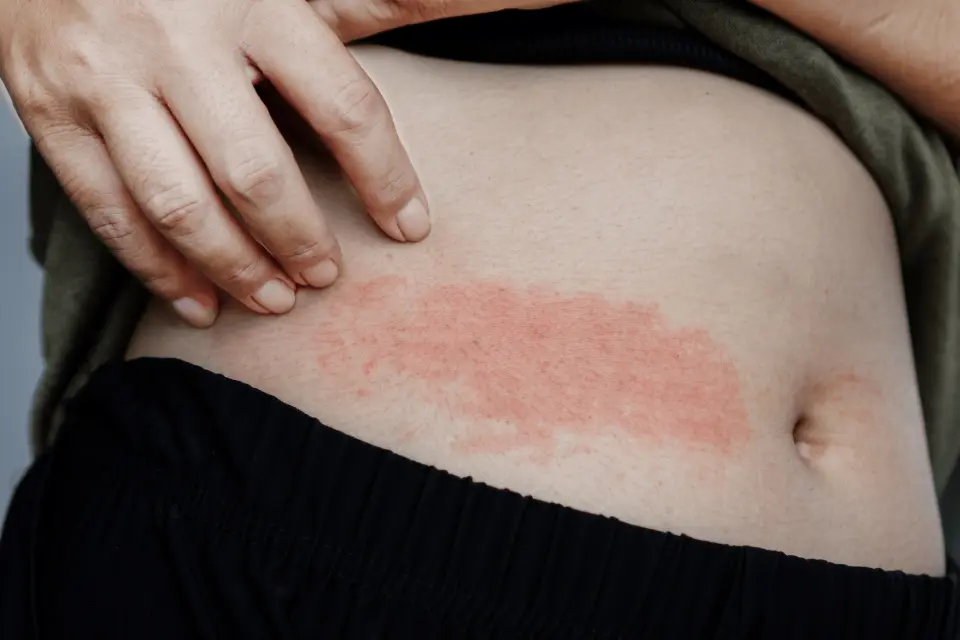
Oral herpes typically appears around the mouth and lips. These cold sores are usually caused by HSV-1 and can be triggered by stress, illness, or sun exposure. What causes a rash on the stomach? offers context for understanding various skin rash mechanisms.
Transmitted primarily through sexual contact, genital herpes can cause painful blisters in the genital and anal regions. HSV-2 is most commonly associated with this type of outbreak.
The initial stages of a herpes outbreak often include:
Tingling or burning sensations
Small, fluid-filled blisters
Localized pain and discomfort
Potential flu-like symptoms
Fever
Swollen glands
Herpes spreads through direct skin-to-skin contact and bodily fluids. Factors increasing transmission risk include:
Unprotected sexual activity
Sharing personal items
Compromised immune system
Diagnostic Method |
Description |
|---|---|
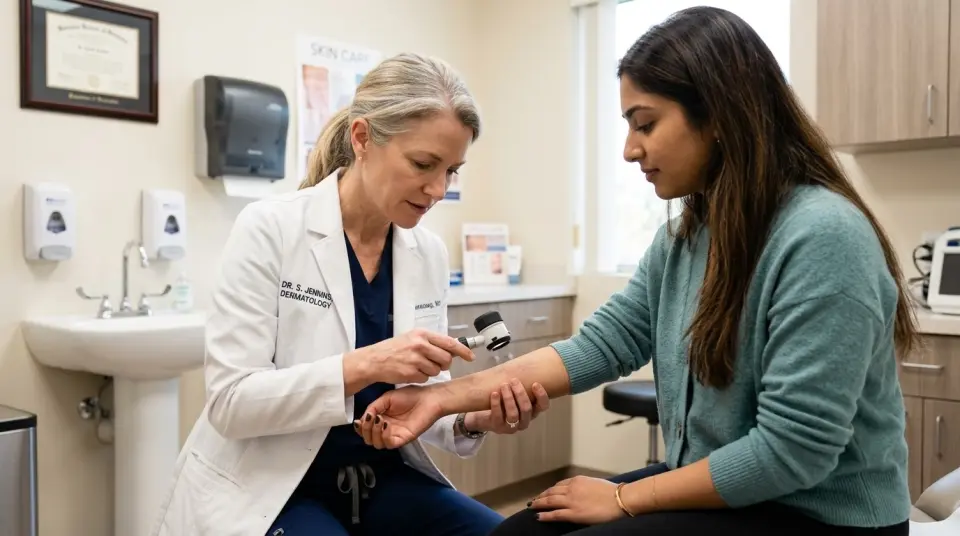
Visual Examination |
Healthcare providers inspect the rash |
Viral Culture |
Collecting fluid from blisters for testing |
Blood Tests |
Detecting herpes antibodies |
PCR Testing |
Identifying viral genetic material |
Treatment typically involves antiviral medications to manage symptoms and reduce outbreak duration. Itchy skin (pruritus): causes, prevention, and relief can provide additional context for managing skin-related discomfort.
Practice safe sexual behaviors
Maintain good personal hygiene
Manage stress levels
Boost immune system health
Herpes outbreaks usually last 7-10 days, with initial infections potentially lasting 2-6 weeks.
Currently, there is no cure for herpes, but medications can effectively manage symptoms.
The virus can spread even without visible symptoms, though transmission risk is higher during active outbreaks.
While not always necessary, consulting a healthcare professional can help manage symptoms and prevent complications.
Yes, emotional stress is a common trigger for herpes virus reactivation.
Understanding early herpes rash symptoms empowers you to seek appropriate care and management. Ready to meet your AI doctor? Get started with Doctronic today.
Get sexual health advice
Chat Now
Join 50,000+ readers using Doctronic to understand symptoms, medications,
and next steps.
Add your phone number below to get health updates and exclusive VIP offers.
By providing your phone number, you agree to receive SMS updates from Company. Message and data rates may apply. Reply “STOP” to opt-out anytime. Read our Privacy Policy and Terms of Service for more details.
Save your consults. Talk with licensed doctors and manage your health history.