Treatments and Prevention
6 Common and Serious Side Effects of Tretinoin
November 30, 2025
6 min read

Medically reviewed by Alan Lucks | MD, Alan Lucks MDPC Private Practice - New York on March 7th, 2026.
Published on February 2nd, 2026. Updated on July 23rd, 2026.
Tretinoin is a prescription-strength retinoid that works faster and more intensely
Retinol is an over-the-counter option that is gentler and works more gradually
Both help treat acne, wrinkles, and uneven skin tone
Consult a dermatologist to determine the best option for your skin concerns
Navigating the world of skincare can feel overwhelming, especially when it comes to powerful ingredients like retinoids. Tretinoin and retinol are two popular options that promise to transform your skin, but they work differently and offer unique benefits. Understanding their characteristics can help you make an informed decision about which might be right for your acne treatment and skincare goals.
Retinoids are vitamin A derivatives that have become staples in skincare routines worldwide. They work by accelerating skin cell turnover, stimulating collagen production, and addressing multiple skin concerns simultaneously. While both tretinoin and retinol fall under the retinoid umbrella, they have significant differences in strength, accessibility, and effectiveness.
Tretinoin is a synthetic, prescription-strength retinoid that delivers powerful results. As an FDA-approved medication, it has undergone rigorous testing and is considered more potent than over-the-counter alternatives. Dermatologists often prescribe tretinoin for more severe skin concerns, including persistent acne and significant signs of aging.
Retinol represents a gentler, more accessible approach to skincare. Available in numerous over-the-counter products, it requires conversion by the skin into its active form. This process means retinol works more slowly but typically causes less irritation, making it an excellent choice for those with sensitive skin or those new to retinoids.
Feature |
Tretinoin |
Retinol |
|---|---|---|
Strength |
High |
Low to Moderate |
Availability |
Prescription Only |
Over-the-Counter |
Speed of Results |
Faster |
Gradual |
Skin Sensitivity |
More Irritating |
Less Irritating |
Primary Uses |
Acne, Deep Wrinkles |
Mild Skin Concerns |
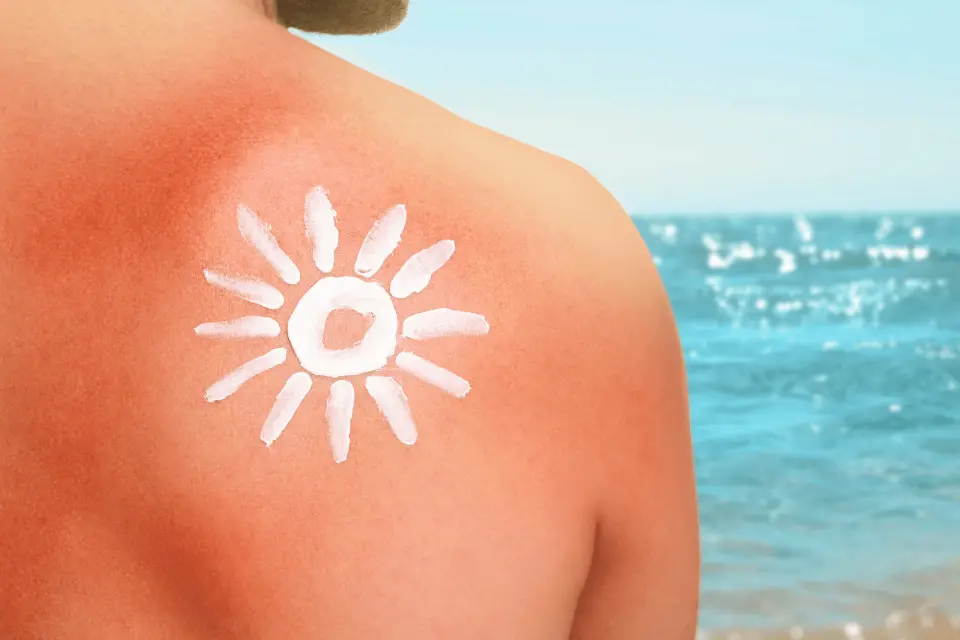
Both tretinoin and retinol can cause initial skin irritation, including redness, dryness, and peeling. Skin sensitivity is more pronounced with tretinoin, which is why many dermatologists recommend a gradual introduction to the product. Starting with a lower concentration and using the product sparingly can help minimize adverse reactions.
Your choice between tretinoin and retinol should depend on several factors:
Severity of skin concerns
Skin sensitivity
Budget
Willingness to obtain a prescription
Desired speed of results
Most users notice improvements within 3-6 months of consistent use.
Consult a dermatologist. They can recommend a low-strength formulation or alternative treatment.
Generally, yes. However, those with extremely sensitive skin or specific conditions should consult a professional.
Begin with 2-3 times weekly and gradually increase frequency as your skin adjusts.
Typically recommended for adults 25 and older, but individual needs vary.
Selecting between tretinoin and retinol is a personal journey that depends on your unique skin needs. While both offer significant benefits, consulting with a healthcare professional can provide personalized guidance.
Ready to meet your AI doctor? Get started with Doctronic today.
Compare your treatment options
Chat Now
Join 50,000+ readers using Doctronic to understand symptoms, medications,
and next steps.
Add your phone number below to get health updates and exclusive VIP offers.
By providing your phone number, you agree to receive SMS updates from Company. Message and data rates may apply. Reply “STOP” to opt-out anytime. Read our Privacy Policy and Terms of Service for more details.
Save your consults. Talk with licensed doctors and manage your health history.