
Ear Eczema: How to Manage It Safely

Medically reviewed by Alan Lucks | MD, Alan Lucks MDPC Private Practice - New York on December 21st, 2025.
Published on December 19th, 2025. Updated on July 24th, 2026.
Key takeaways
Understand the common causes and symptoms of ear eczema to identify it early.
Learn safe treatment options, including when to seek professional telehealth care.
Discover practical tips for daily care and prevention of flare-ups.
Explore how AI-powered telehealth services like Doctronic.ai can provide quick, personalized advice and treatment.
Find answers to frequently asked questions about ear eczema management.
What Is Ear Eczema and How to Recognize It
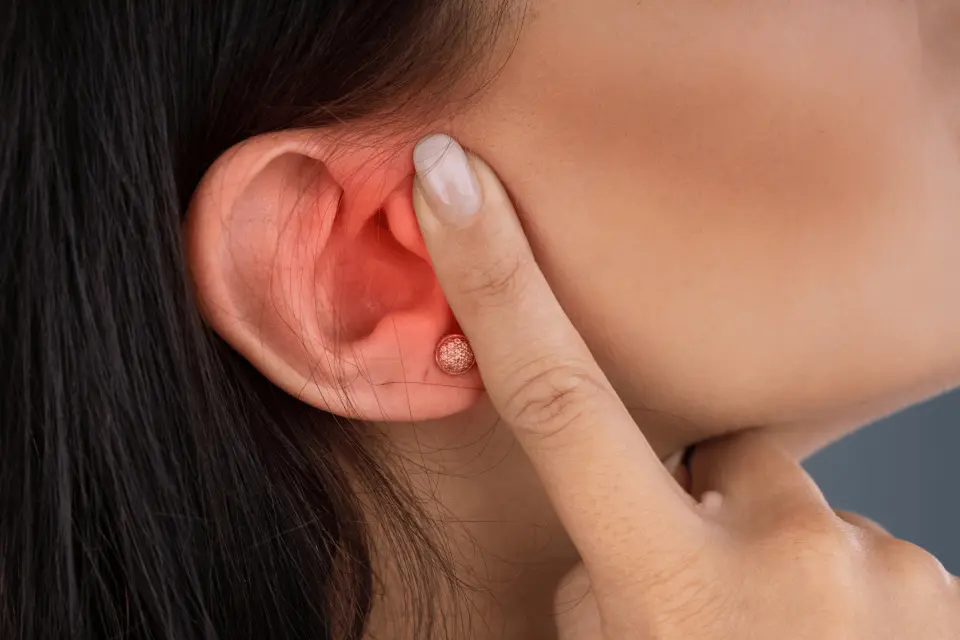
Ear eczema is a type of skin inflammation that affects the outer ear, including the ear canal and the skin around the ear. It can cause discomfort, itching, redness, and sometimes flaking or crusting. Because the skin in and around the ear is delicate, eczema here can be especially irritating. The condition can be exacerbated by environmental factors, such as exposure to irritants or allergens, making it crucial for individuals to be aware of their surroundings and any potential triggers.
Common symptoms include persistent itching, burning, dry or scaly patches, redness, and sometimes swelling. In some cases, the skin may crack or weep fluid, which increases the risk of infection. Recognizing these signs early is important for effective management. Individuals may also experience a heightened sensitivity to sound or discomfort when wearing headphones or hats, further complicating daily activities. It is essential to monitor these symptoms closely, as they can significantly impact one’s quality of life.
Common Causes of Ear Eczema
Ear eczema can be triggered by a variety of factors, including:
Allergic reactions: Contact with allergens like certain shampoos, earrings, or hearing aids.
Atopic dermatitis: A chronic condition that often affects sensitive skin areas.
Dry skin: Especially in cold or dry weather, which can worsen eczema symptoms.
Infections: Sometimes eczema can be complicated by bacterial or fungal infections.
In addition to these common causes, lifestyle factors such as stress and diet can also play a role in exacerbating ear eczema. Stress is known to trigger flare-ups in many skin conditions, including eczema, by increasing inflammation and compromising the skin barrier. Certain dietary choices, such as high sugar or processed foods, may contribute to skin irritation and inflammation, prompting individuals to consider a more balanced diet rich in anti-inflammatory foods like fruits, vegetables, and omega-3 fatty acids. Understanding these connections can empower individuals to take a more holistic approach to managing their ear eczema.
It’s important to note that ear eczema can sometimes be mistaken for other conditions, such as psoriasis or seborrheic dermatitis, which can lead to misdiagnosis and inappropriate treatment. Therefore, consulting with a healthcare professional for an accurate diagnosis is vital. They may recommend patch testing to identify specific allergens or irritants, which can help in formulating a targeted treatment plan. This tailored approach not only addresses the symptoms but also aims to prevent future flare-ups, allowing individuals to enjoy a more comfortable and symptom-free life.
Safe and Effective Treatment Options for Ear Eczema
Managing ear eczema safely involves a combination of proper skin care, avoiding triggers, and sometimes medical treatment. Because the ear is a sensitive area, it’s important to avoid harsh treatments or self-medicating without guidance.
Topical Treatments to Soothe and Heal
Doctors often recommend mild corticosteroid creams or ointments to reduce inflammation. These should be used carefully and only as directed to avoid side effects. Moisturizers designed for sensitive skin can help keep the ear skin hydrated and reduce itching.
If an infection is suspected, your healthcare provider may prescribe an antibiotic or antifungal treatment. Avoid inserting cotton swabs or other objects into the ear canal, as this can worsen the condition or cause injury.
When to Use Telehealth for Ear Eczema
If you notice persistent symptoms or worsening irritation, consulting a healthcare professional is important. Telehealth services like Doctronic.ai offer a convenient and affordable way to get expert advice without leaving home. You can have a video visit with a licensed doctor 24/7, who can assess your symptoms and recommend appropriate treatment quickly.
Doctronic’s AI-powered platform also provides free AI doctor visits that give you instant answers and personalized recommendations based on the latest medical research. This can be a great first step before scheduling a telehealth visit with a doctor.
Get eczema treatment online today
A licensed doctor can review your symptoms and send a prescription to your pharmacy, often the same day.
- $39 video visit
- Insurance accepted
- 4.8 on Trustpilot
Related medications we prescribe
- Eucrisa crisaborole
- Cutivate fluticasone topical
- Desowen desonide
- Aclovate alclometasone dipropionate
- Locoid hydrocortisone butyrate
- Alclometasone
- Desonide
Daily Care and Prevention Tips for Ear Eczema
Preventing flare-ups and managing symptoms daily can make a big difference in comfort and skin health. Here are some practical tips:
Keep the Ears Clean and Moisturized
Gently clean the outer ear with a soft cloth and warm water.
Apply fragrance-free moisturizers to keep skin hydrated.
Avoid harsh soaps, shampoos, or hair products that may irritate the skin.
Avoid Known Triggers
Identify and avoid allergens such as certain metals in earrings or specific hair products.
Protect ears from extreme cold or dry air by wearing appropriate coverings.
Limit exposure to water in the ear canal, which can worsen eczema.
Practice Gentle Habits
Do not scratch or pick at the affected skin, even if it itches.
Avoid inserting cotton swabs or other objects into the ear canal.
Wear breathable fabrics and avoid tight-fitting hats or headphones that may irritate the skin.
 How Doctronic.ai Can Support Your Ear Eczema Care
Managing ear eczema often requires ongoing attention and sometimes quick adjustments to treatment. Using a trusted telehealth service like Doctronic.ai can make this easier. Their AI doctor integrates the latest peer-reviewed medical knowledge to provide personalized care recommendations instantly.
With over 10 million users, Doctronic offers free AI doctor visits to anyone with questions about their health. If needed, you can also schedule affordable video visits with licensed doctors anytime, anywhere in the U.S. This combination of AI and human expertise ensures you get fast, smart, and personal care tailored to your needs.
Benefits of AI-Powered Telehealth for Skin Conditions
Speed: Get answers and treatment suggestions in seconds.
Accuracy: Recommendations are based on the latest medical research.
Personalization: The AI remembers your history and preferences for more tailored advice.
Convenience: Access care from home without waiting rooms or travel.
Frequently Asked Questions
No, ear eczema is not contagious. It is caused by inflammation and irritation, not by an infection that spreads from person to person.
Usually, ear eczema does not affect hearing. However, if swelling or crusting blocks the ear canal, it might temporarily reduce hearing until treated.
Moisturizing the skin and avoiding irritants are helpful. However, avoid using home remedies without professional advice, especially inside the ear canal, to prevent damage or infection.
If symptoms persist beyond a week, worsen, or if you notice signs of infection like increased pain, swelling, or discharge, seek medical advice. Telehealth services like Doctronic.ai can provide quick consultations.
Ear eczema is a chronic condition that can be managed effectively with proper care and treatment. While it may not be completely cured, flare-ups can be minimized and controlled.
References
Related articles
Get skin care advice
Chat Now