COVID-19
New Treatments for Long COVID in 2026: Latest Medical Breakthroughs
May 17, 2026
7 min read

Medically reviewed by Lauren Okafor | MD, The Frank H Netter MD School of Medicine, Loyola University Medical Center on April 13th, 2026.
Published on February 20th, 2026. Updated on July 23rd, 2026.
Lower back spasms are sudden, involuntary muscle contractions that can cause severe pain and mobility restrictions
Common triggers include improper lifting, sudden movements, muscle fatigue, and underlying spinal conditions
Immediate treatment involves rest, ice/heat therapy, anti-inflammatory medications, and gentle movement within pain tolerance
Prevention focuses on core strengthening, proper body mechanics, maintaining healthy weight, and stress management
Lower back spasms represent one of the most debilitating forms of back pain, striking millions of people worldwide with sudden, intense muscle contractions that can leave you immobilized. These involuntary muscle seizures in the lumbar region often occur without warning, transforming simple daily activities into impossible tasks. Unlike gradual back pain that builds over time, spasms are characterized by their acute onset and severe nature, often described as muscles "locking up" or "seizing." Understanding these episodes, recognizing warning signs, and knowing how to respond effectively can mean the difference between quick recovery and prolonged suffering. Whether you're experiencing your first spasm or dealing with recurrent episodes, proper knowledge empowers you to take control of your back health.
Lower back spasms occur when muscles surrounding the spine contract involuntarily and fail to relax, creating a protective mechanism your body employs when sensing potential spinal injury. The lumbar region bears your upper body's weight and contains a complex network of muscles, ligaments, and vertebrae, making it particularly vulnerable to strain. Common triggers include sudden movements like lifting heavy objects with poor form, twisting while carrying weight, or even simple actions like bending to pick something up when muscles are unprepared.
Muscle fatigue and weakness significantly contribute to spasm development, especially when you engage in activities beyond your current fitness level or maintain poor posture for extended periods. Prolonged sitting with inadequate lumbar support weakens deep stabilizing core muscles, creating imbalances that predispose your back to spasms. What Causes Lower Back pain can sometimes involve multiple systems, highlighting the interconnected nature of bodily functions.
Dehydration and electrolyte imbalances also contribute to muscle dysfunction, as proper hydration and mineral balance are essential for normal muscle contraction and relaxation cycles. Underlying conditions such as herniated discs, spinal stenosis, or degenerative disc disease create inflammation and irritation that trigger protective muscle spasms. Stress and tension, both physical and emotional, cause chronic muscle tightness that eventually leads to spasm episodes.
Lower back spasms typically announce themselves with sudden, severe pain accompanied by a sensation of muscles "locking up" or becoming rigid. The pain is often described as sharp, cramping, or burning, and may radiate into your buttocks or upper thighs. Movement becomes significantly restricted, and you may find yourself unable to stand upright or stuck in a bent-forward position. The affected muscles feel hard to the touch and remain tender for several days following the initial episode.
Many people experience accompanying symptoms such as persistent muscle stiffness even after the acute spasm subsides, difficulty with basic movements like getting out of bed or chairs, and general discomfort interfering with sleep patterns. Some individuals report feeling as though their back might "give out" again with sudden movements, leading to guarded movement patterns that can perpetuate the problem. Lower Back Pain Radiating to other areas can indicate nerve involvement requiring special attention.
While most spasms resolve within days to a week with proper care, certain warning signs indicate immediate medical evaluation needs. These red flags include severe pain progressively worsening despite rest and treatment, numbness or tingling extending down legs, weakness affecting walking or standing, loss of bowel or bladder control, and fever accompanying back pain. Back Pain That Keeps recurring may indicate underlying conditions requiring professional assessment.
Initial treatment for lower back spasms focuses on reducing pain and muscle tension while preventing further injury. Rest during the acute phase is important, but complete bed rest for extended periods is no longer recommended as it leads to muscle weakness and prolonged recovery. Instead, gentle movement within pain tolerance helps maintain circulation and prevents stiffness development. Ice application during the first 24 to 48 hours reduces inflammation and numbs pain, with 15 to 20-minute sessions several times daily.
After the initial inflammatory phase, heat therapy often provides better relief by promoting blood flow and muscle relaxation. Warm baths, heating pads, or compresses help ease muscle tension and improve flexibility. Over-the-counter anti-inflammatory medications like ibuprofen or naproxen reduce both pain and inflammation, while acetaminophen provides pain relief when inflammation isn't primary. Muscle relaxants prescribed by healthcare providers benefit severe spasms not responding to other treatments.
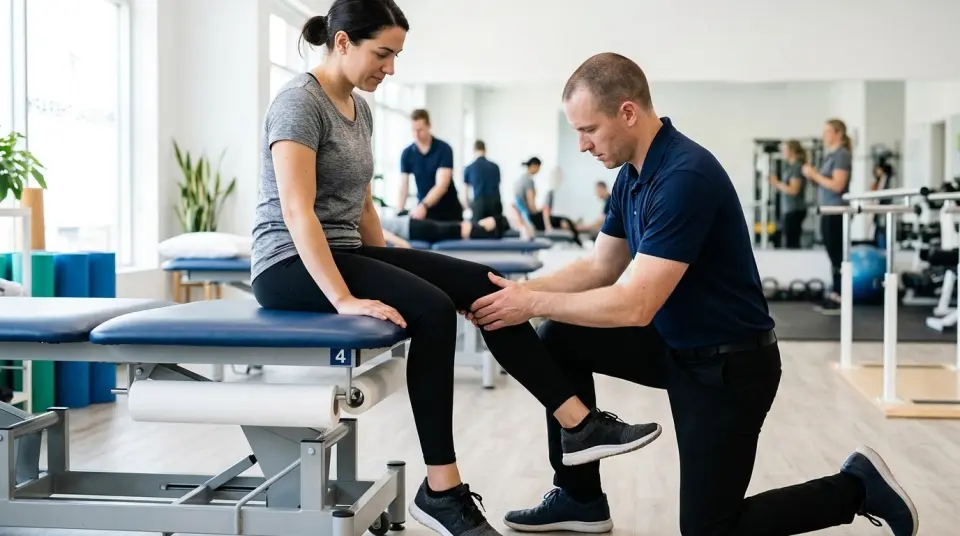
Gentle stretching and movement exercises should be introduced gradually as pain permits. Simple knee-to-chest stretches, pelvic tilts, and gentle spinal rotation movements help restore normal muscle function and prevent stiffness. Physical therapy may be recommended for recurrent spasms or persistent symptoms. Professional massage therapy provides relief by improving circulation, reducing muscle tension, and promoting tissue relaxation.
Preventing future lower back spasm episodes requires comprehensive approaches addressing lifestyle factors and physical conditioning. Regular exercise strengthening core muscles, improving flexibility, and enhancing overall fitness provides the foundation for healthy backs. Core strengthening exercises like planks, bridges, and modified crunches stabilize the spine and reduce lower back muscle workload during daily activities.
Proper body mechanics during lifting, bending, and carrying are crucial for prevention. This includes keeping objects close when lifting, using legs rather than backs for power, avoiding twisting motions while carrying weight, and taking frequent breaks during prolonged activities. Ergonomic workplace considerations such as proper chair support, maintaining good posture, and regular sitting breaks significantly reduce back problem risks. How to Ease Lower back discomfort sometimes involves addressing related digestive issues that can contribute to spinal tension.
Prevention Strategy |
Implementation |
Benefits |
|---|---|---|
Core Strengthening |
3-4 times weekly, 20-30 minutes |
Spinal stability, reduced muscle strain |
Proper Lifting Technique |
Bend knees, keep back straight, avoid twisting |
Prevents acute injury episodes |
Ergonomic Setup |
Adjust chair, monitor, keyboard height |
Reduces postural stress |
Regular Movement |
Break every 30-60 minutes when sitting |
Maintains muscle flexibility |
Stress Management |
Daily relaxation, adequate sleep |
Reduces muscle tension |
Maintaining healthy weight reduces spinal load and decreases muscle strain risk. Good sleep habits, including supportive mattresses and proper pillow positioning, help backs recover from daily stresses. Staying adequately hydrated and maintaining good nutrition support overall muscle health and function. Stress management techniques such as relaxation exercises, meditation, or counseling address psychological components that may contribute to muscle tension and spasm development.
Most lower back spasms resolve within 3 to 7 days with proper treatment. However, muscle tenderness and stiffness may persist for several additional days. Severe or recurrent spasms may require longer recovery periods and professional medical evaluation.
Use ice during the first 24-48 hours to reduce inflammation and numb pain. After this initial period, switch to heat therapy to promote blood flow and muscle relaxation. Some people find alternating between ice and heat helpful.
Gentle movement within pain tolerance is beneficial, but avoid strenuous exercise during acute spasms. Start with simple stretches and gradually increase activity as pain subsides. Complete bed rest is not recommended as it can prolong recovery.
Seek immediate medical attention if you experience numbness or weakness in legs, loss of bowel or bladder control, severe pain after trauma, or pain that progressively worsens despite treatment. Fever with back pain also warrants prompt evaluation.
While no medications specifically prevent spasms, maintaining good overall health, staying hydrated, and managing underlying conditions can reduce occurrence. Some people benefit from muscle relaxants during high-risk activities, but this should be discussed with a healthcare provider.
Lower back spasms are sudden, tight muscle contractions in the lower back. They can cause sharp pain and make it hard to move, though they are usually temporary and improve with the right care.
Spasms are often triggered by:
Muscle strain from lifting, bending, or sudden movement
Poor posture or prolonged sitting
Weak or tight back and core muscles
Overuse or fatigue
Rest briefly: avoid painful movements for the first 1–2 days
Use heat or ice: heat helps relax muscles, ice can reduce early inflammation
Gentle movement: start light activity as soon as pain allows to prevent stiffness
Pain relief: short-term use of medications like Ibuprofen may help
Regular exercise: strengthen core and back muscles
Stretching: keep muscles flexible, especially the hamstrings and hips
Good posture: maintain proper alignment when sitting, standing, and lifting
Gradual activity: avoid sudden increases in physical activity
Most spasms improve within a few days to a couple of weeks. Ongoing or frequent episodes may need further evaluation to identify underlying causes.
Pain is severe or does not improve
Spasms keep coming back
You have numbness, weakness, or trouble controlling movement
With the right approach, most people recover well and return to normal activities. Doctronic’s AI platform can help you review your symptoms and guide your next steps if your pain is not improving.
Get personalized health advice
Chat Now
Join 50,000+ readers using Doctronic to understand symptoms, medications,
and next steps.
Add your phone number below to get health updates and exclusive VIP offers.
By providing your phone number, you agree to receive SMS updates from Company. Message and data rates may apply. Reply “STOP” to opt-out anytime. Read our Privacy Policy and Terms of Service for more details.
Save your consults. Talk with licensed doctors and manage your health history.