
Skin Cancer
Cancerous Moles vs. Normal Moles: A Visual Guide to Melanoma Warning Signs
April 17, 2026
6 min read

Medically reviewed by Alan Lucks | MD, Alan Lucks MDPC Private Practice - New York on July 23rd, 2026.
Published on June 19th, 2025. Updated on July 23rd, 2026.
Most facilities have digital X-ray equipment on-site that produces images within 2-5 minutes, with radiologist interpretation available immediately rather than requiring separate appointments.
Wait times average under 30 minutes compared to 2-4 hours in emergency departments, while costs run 40-60% lower than hospital imaging ($150-300 vs $500-800 typical range).
Common imaging needs include bone fractures from sports injuries, pneumonia detection in respiratory illness, kidney stone evaluation, and chest pain assessment for cardiac or pulmonary causes.
Lead aprons protect vital organs from radiation exposure during the brief procedure, which uses significantly lower radiation doses than CT scans while providing detailed bone and soft tissue visualization.
Providers may recommend ultrasound for abdominal issues, MRI referrals for soft tissue injuries, or clinical diagnosis through physical examination when radiation exposure isn't warranted.
Questions about urgent care services?
Free. Anonymous. Built by doctors.
Talk to our AI doctor for a clear, personalized read on your situation.
When faced with a sudden injury or illness, many people consider visiting an urgent care facility. These centers are designed to provide immediate medical attention for non-life-threatening conditions. One common question that arises is whether urgent care facilities can perform X-rays. This article explores the role of X-rays in urgent care, the types of conditions that may require imaging, and what patients can expect during their visit.
 The Role of X-Rays in Urgent Care
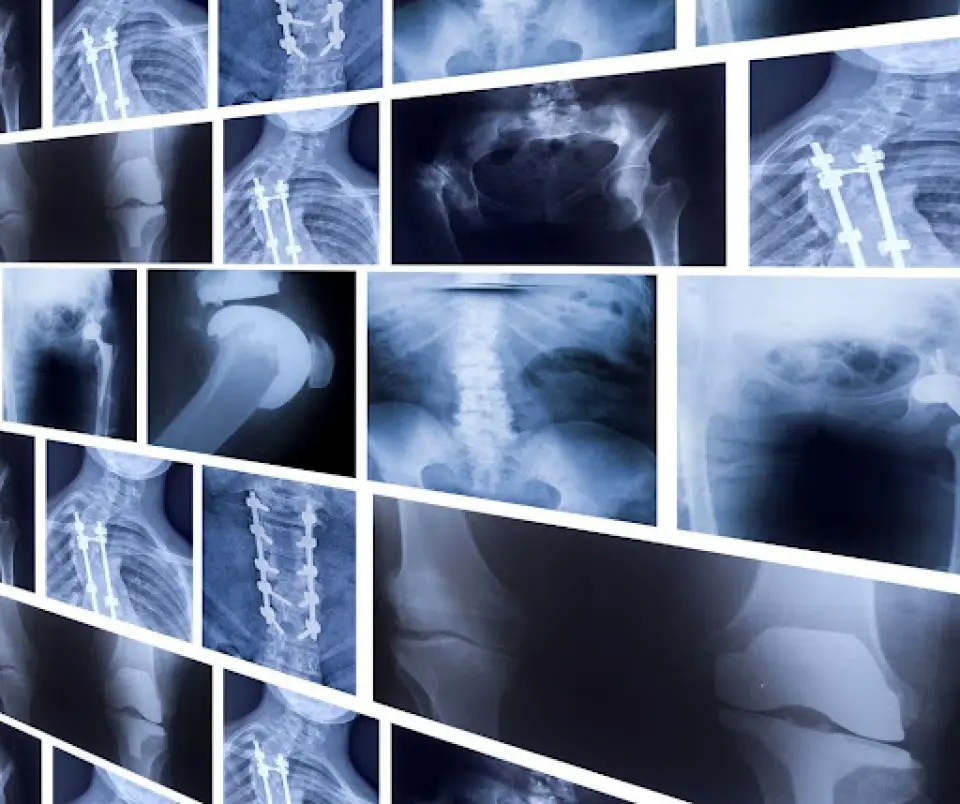
X-rays are a vital diagnostic tool used to visualize the inside of the body, particularly bones and certain organs. In urgent care settings, they are often employed to assess injuries, diagnose fractures, and evaluate other conditions that may not be immediately apparent through physical examination alone.
Urgent care facilities frequently utilize X-rays to diagnose a variety of conditions. Some of the most common uses include:
Fractures: X-rays are essential for identifying broken bones, which can occur due to falls, sports injuries, or accidents.
Dislocations: In cases where a joint is out of its normal position, X-rays help confirm the diagnosis and guide treatment.
Infections: Certain infections, such as pneumonia, can be assessed using chest X-rays to determine the extent of the illness.
One of the primary benefits of visiting an urgent care facility for X-rays is the convenience factor. Unlike traditional hospital emergency rooms, urgent care centers often have shorter wait times and extended hours, making them accessible for patients who need immediate care.
Additionally, urgent care centers are typically equipped with on-site X-ray machines, allowing for quicker diagnosis and treatment. This can be particularly beneficial for patients who may not have the time or ability to visit a hospital for imaging.
Moreover, the ability to receive immediate results can significantly enhance the patient experience. In urgent care settings, patients often receive their X-ray results within minutes, enabling healthcare providers to make timely decisions regarding treatment plans. This rapid turnaround is crucial in cases where prompt intervention is necessary, such as in the treatment of fractures or severe infections. Furthermore, the integration of X-ray technology within urgent care facilities allows for a more streamlined approach to patient care, as physicians can quickly correlate imaging results with clinical evaluations, ensuring that patients receive comprehensive assessments without unnecessary delays.
Another noteworthy aspect of X-rays in urgent care is their role in reducing healthcare costs. By providing immediate imaging services in a more accessible setting, patients can avoid the higher expenses associated with emergency room visits. This is particularly important for those who are uninsured or underinsured, as urgent care centers often offer competitive pricing and transparent billing practices. Consequently, utilizing X-rays in urgent care not only enhances diagnostic efficiency but also promotes a more cost-effective approach to healthcare, ultimately benefiting both patients and the healthcare system as a whole.
Understanding what to expect during an urgent care visit can help alleviate anxiety and ensure a smoother experience. From the moment you walk in, the process is designed to be efficient and patient-friendly.
Upon arrival at an urgent care facility, patients will typically undergo an initial assessment. This may involve filling out a brief medical history form and discussing symptoms with a healthcare provider. It’s important to provide as much information as possible, as this will help the provider determine the need for an X-ray or other diagnostic tests.
During this initial assessment, the healthcare provider may also check vital signs such as blood pressure, heart rate, and temperature. These measurements are crucial for understanding the patient's overall health and can provide important clues about the severity of the condition. If you have any allergies or are currently taking medications, be sure to mention these as they can significantly influence treatment decisions.
If an X-ray is deemed necessary, the patient will be directed to the imaging area. The procedure itself is quick and relatively painless. Patients will be asked to position themselves in front of the X-ray machine, and protective lead aprons may be used to shield other parts of the body from radiation.
The actual imaging process usually takes only a few minutes. After the X-ray is taken, the images are reviewed by a radiologist or the attending physician, who then discusses the results with the patient. It’s worth noting that the radiologist may take additional images if the first set does not provide a clear enough view of the area in question. This is a common practice to ensure accurate diagnosis, and patients should feel reassured that thoroughness is a priority in their care.
Once the results are available, the healthcare provider will explain the findings in detail, often using images to illustrate any issues. This is a great opportunity for patients to ask questions about their condition and the recommended treatment options. Understanding the results can empower patients to take an active role in their healthcare decisions, fostering a collaborative relationship with their healthcare team.
While not every urgent care visit will result in an X-ray, several conditions commonly warrant this diagnostic tool. Understanding these conditions can help patients recognize when an X-ray might be necessary.
Injuries are one of the most common reasons for X-rays in urgent care. Whether it’s a sports-related injury, a fall, or a workplace accident, X-rays can help identify fractures, sprains, and other damage to bones and joints.
For instance, a patient who experiences severe pain and swelling in an ankle after twisting it may be advised to get an X-ray to rule out a fracture. Similarly, a person who falls and experiences immediate pain in their wrist may need imaging to determine the extent of the injury.
In addition to fractures, X-rays can also reveal dislocations, which occur when bones are forced out of their normal positions. This is particularly common in joints such as the shoulder or knee, where the impact of an injury can lead to significant misalignment. Timely X-ray imaging can facilitate prompt treatment, which is crucial in preventing long-term complications and ensuring a proper recovery.
Respiratory conditions can also necessitate X-rays. Patients experiencing symptoms such as persistent cough, chest pain, or difficulty breathing may be evaluated with a chest X-ray. This imaging can help identify conditions like pneumonia, lung infections, or other abnormalities.
In urgent care settings, a quick chest X-ray can provide valuable information that aids in the diagnosis and treatment plan, ensuring patients receive appropriate care without unnecessary delays. For example, a chest X-ray can help distinguish between a simple bronchitis and a more serious condition like a pulmonary embolism, which requires immediate medical intervention. Furthermore, X-rays can also be useful in monitoring the progression of chronic conditions, such as chronic obstructive pulmonary disease (COPD), by revealing changes in lung structure over time.
Abdominal pain is another common reason for urgent care visits. While many cases may be related to gastrointestinal issues, some may require X-rays to rule out more serious conditions such as bowel obstructions or kidney stones.
In these situations, X-rays can help visualize the organs and structures within the abdomen, assisting healthcare providers in making informed decisions about further treatment or referrals. For instance, if a patient presents with severe abdominal cramping and nausea, an X-ray can help identify any blockages in the intestines that may require surgical intervention. Additionally, X-rays can also assist in detecting the presence of gallstones, which can lead to acute cholecystitis if not addressed promptly. The ability to quickly assess these potentially serious issues can significantly impact patient outcomes and guide the urgency of further diagnostic steps.
While X-rays are a valuable diagnostic tool, their use in urgent care settings is limited. Understanding these limitations can help manage expectations and guide patients in seeking appropriate care.
 Not All Conditions Require X-Rays
It’s essential to recognize that not every injury or ailment will require an X-ray. Healthcare providers in urgent care facilities are trained to assess each situation individually. In some cases, a thorough physical examination may be sufficient to diagnose a condition without the need for imaging.
For instance, minor sprains or strains may be diagnosed based on symptoms and physical findings alone, allowing for immediate treatment without the need for X-rays.
Another consideration is the exposure to radiation associated with X-rays. While the amount of radiation from a single X-ray is generally low and considered safe, healthcare providers still take it into account when recommending imaging.
In cases where the benefits of obtaining an X-ray outweigh the risks, healthcare providers will proceed with the imaging. However, they will also consider alternative diagnostic methods when appropriate.
In some cases, healthcare providers may opt for alternative diagnostic methods instead of X-rays. Understanding these alternatives can provide patients with a broader perspective on their treatment options.
Ultrasound is a non-invasive imaging technique that uses sound waves to create images of internal structures. It is particularly useful for assessing soft tissue injuries, such as muscle tears or fluid collections.
In urgent care settings, ultrasound may be employed to evaluate conditions like gallbladder disease or certain types of abdominal pain, providing valuable information without the exposure to radiation associated with X-rays.
Computed Tomography (CT) scans are another imaging option that may be utilized in urgent care settings. CT scans provide more detailed images than traditional X-rays and can be beneficial for evaluating complex injuries or conditions.
However, due to the higher levels of radiation exposure associated with CT scans, they are typically reserved for cases where the information gained is critical for diagnosis and treatment.
In recent years, telehealth has emerged as a valuable resource for patients seeking medical advice and guidance. While telehealth consultations cannot replace the need for in-person X-rays, they can play a crucial role in determining whether imaging is necessary.
Patients experiencing symptoms that may require an X-ray can benefit from a telehealth consultation. Through platforms like Doctronic.ai, patients can connect with healthcare providers who can assess their symptoms and recommend the appropriate course of action.
This initial consultation can save time and resources by helping patients determine if an urgent care visit is necessary or if they can manage their condition at home.
Telehealth can also facilitate follow-up care for patients who have already received X-rays or other imaging. Healthcare providers can review imaging results with patients, discuss treatment options, and answer any questions they may have.
This approach allows for ongoing communication and support, ensuring that patients receive the care they need without unnecessary in-person visits.
In summary, urgent care facilities do offer X-ray services, making them a convenient option for patients with non-life-threatening conditions that may require imaging. X-rays play a crucial role in diagnosing fractures, infections, and other conditions, allowing for timely treatment.
While not every urgent care visit will result in an X-ray, understanding the circumstances that may warrant imaging can help patients make informed decisions about their healthcare. Additionally, utilizing telehealth services like Doctronic.ai, the #1 AI Doctor, can provide valuable guidance and support, ensuring that patients receive the appropriate care when they need it most.
Ultimately, urgent care centers serve as a vital resource for individuals seeking immediate medical attention, and their ability to provide X-ray services enhances their capacity to diagnose and treat a wide range of conditions effectively.
Whether you're dealing with an injury that may need an X-ray or have health concerns that require professional attention, Doctronic is here to transform your healthcare experience. Our AI-powered platform offers free, instant AI doctor visits, providing you with a reliable diagnosis that you can take to any doctor for further help and treatment. For more personalized care, our telehealth video visits connect you with our doctors 24/7, in all 50 states, for less than $40. Join over 10 million people who have already discovered the smarter, more personal medical care that Doctronic provides. Skip the line. Talk to an AI Doctor Now, for free.
Urgent care centers offer convenient, cost-effective X-ray services for non-emergency conditions with same-day results and minimal wait times. This makes them ideal for suspected fractures, respiratory concerns, or abdominal pain that needs immediate imaging evaluation. If you're unsure whether your symptoms warrant imaging, Doctronic can provide personalized guidance on the best care approach.
Find the right care
Chat Now