Skin Cancer
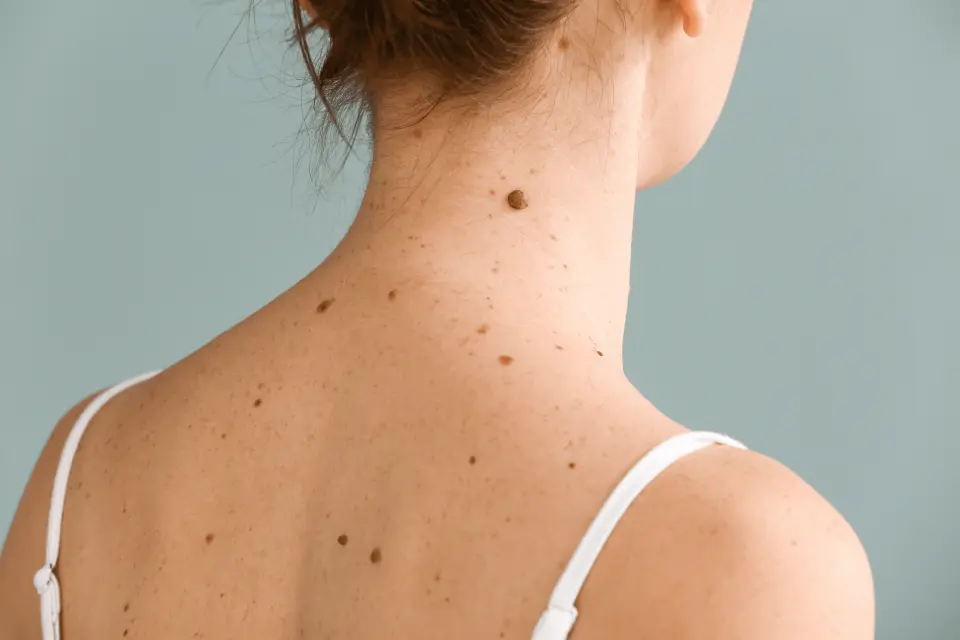
Cancerous Moles vs. Normal Moles: A Visual Guide to Melanoma Warning Signs
April 17, 2026
6 min read

Medically reviewed by Lauren Okafor | MD, The Frank H Netter MD School of Medicine, Loyola University Medical Center on April 16th, 2026.
Published on March 20th, 2026. Updated on July 23rd, 2026.
Itchy palm superstitions vary by culture, with right palm itching often meaning money coming in and left palm itching meaning money going out.
Medical causes of itchy palms include contact dermatitis, eczema, psoriasis, fungal infections, and nerve conditions.
Persistent itching lasting more than two weeks, or itching accompanied by a rash, swelling, or pain, warrants medical evaluation.
Distinguishing between superstition and a medical cause requires examining accompanying symptoms and how long the itch lasts.
Right palm itching meaning varies widely: in folklore, it signals incoming money, while medically it can point to contact dermatitis, eczema, or nerve conditions. Understanding both perspectives helps you decide when to enjoy the superstition and when to seek care.
Across different cultures, itchy palms carry various meanings, from financial windfalls to unexpected visitors. However, medical science reveals that palm itching often signals treatable skin conditions or underlying health issues. Doctronic's AI-powered consultations can help you distinguish between harmless superstition and symptoms requiring professional attention.
European and American folk traditions commonly associate right palm itching with incoming money, while left palm itching supposedly means money going out. This belief has persisted for generations, with some people even rubbing their itchy right palm on wood to "seal in" the expected fortune.
Turkish and Indian cultures connect palm itching to social encounters, believing it signals meeting strangers or receiving unexpected guests. In some regions, the specific location of the itch determines the visitor's relationship to you, whether family, friend, or romantic interest.
Caribbean and Southern U.S. folklore takes these beliefs further, associating different palm areas with various types of financial fortune. The thumb area might indicate small amounts of money, while the center palm suggests larger sums. These detailed interpretations show how deeply embedded these superstitions are in cultural identity.
Scientists explain that these superstitions persist because humans naturally seek patterns and meaning in random events. When someone experiences palm itching followed by any positive event, they remember the connection, reinforcing the belief despite lack of scientific evidence.
Persistent itching lasting over two weeks accompanied by visible skin changes indicates dermatological issues requiring medical evaluation. Unlike superstitious itching that comes and goes mysteriously, medical causes typically present with consistent patterns and additional symptoms.
Itching combined with burning, tingling, or numbness suggests possible nerve involvement or neuropathy. This type of sensation often affects both palms simultaneously and may worsen at night, interfering with sleep and daily activities.
Bilateral palm itching with systemic symptoms may indicate liver disease or kidney dysfunction. When the body struggles to filter toxins properly, itching can occur in various locations, including the palms. This type of itching often intensifies in the evening and may be accompanied by fatigue or changes in urine color. If you notice these patterns alongside right palm itching, a medical evaluation is the right next step.
Seasonal or trigger-specific itching points to allergic reactions or contact sensitivities. If your palms itch consistently after using certain products, handling specific materials, or during particular seasons, you're likely dealing with an allergic response rather than supernatural fortune-telling.
The phrase "right palm itching meaning" draws millions of searches every year, and for good reason. People want a clear answer: is this a sign of good luck, or is something going on with my skin?
The honest answer is that it depends on context. In most Western folk traditions, an itchy right palm means money is on its way. The belief is so widespread that some people scratch their right palm on wood or fabric to "lock in" the luck before it fades. Whether or not you put stock in that tradition, the feeling itself is very real.
From a medical standpoint, right palm itching is not meaningfully different from left palm itching. The skin on both palms is thick, frequently exposed to friction and chemicals, and rich in nerve endings, making it prone to the same conditions: contact dermatitis, dyshidrotic eczema, psoriasis, and peripheral neuropathy. Neither hand is more medically significant than the other.
If your right palm itches briefly and then stops, with no rash, no blistering, and no other symptoms, there is usually nothing to worry about. Brief, isolated itching is common and often linked to minor dryness or fleeting skin irritation. Enjoy the folklore if it brings you a smile.
Some patterns deserve more scrutiny. Right palm itching that persists for more than two weeks, keeps returning, or comes with visible skin changes is worth evaluating by a clinician. Similarly, if the itch is accompanied by small blisters, cracked skin, or a spreading rash, a dermatological cause is the more likely explanation than a lucky windfall.
Right palm itching that coincides with tingling or numbness in the fingers can suggest a nerve-related issue, such as carpal tunnel syndrome or peripheral neuropathy. These conditions are treatable, but they do not resolve on their own.
Superstitions about right palm itching have survived for centuries because they fill a human need to find meaning in everyday sensations. There is nothing wrong with noting the folklore. At the same time, paying attention to duration, pattern, and accompanying symptoms keeps you on the right side of both tradition and medical awareness. If the itch hangs around, our AI doctor can help you figure out what is actually going on.
Contact dermatitis from soaps, detergents, latex gloves, or occupational chemicals causes inflammatory responses in palm skin. Healthcare workers, food service employees, and cleaning staff commonly experience this condition due to frequent exposure to irritating substances.
Dyshidrotic eczema creates small, itchy blisters specifically on palms and fingers. This condition often flares during stress or seasonal changes, producing intense itching that can interfere with hand function. The blisters may weep or crack, creating additional discomfort.
Palmoplantar psoriasis causes thick, scaly, intensely itchy patches on palms and soles. Unlike other forms of psoriasis, this variant specifically targets areas of high friction and pressure. The affected skin often becomes painful and may crack or bleed with movement.
Fungal infections can also affect palm skin, particularly in warm, moist conditions. People with compromised immune systems or diabetes face higher risks for fungal palm infections. Additionally, peripheral neuropathy from diabetes or other conditions can cause palm itching along with numbness or burning sensations.
Physical examination focuses on skin appearance, distribution patterns, and accompanying symptoms to determine the underlying cause. Healthcare providers look for specific patterns that distinguish between different conditions, such as the symmetrical presentation of systemic diseases versus the localized nature of contact dermatitis.
Patch testing for contact allergens and skin scrapings for fungal infections help identify specific triggers when indicated. These tests guide treatment decisions and help patients avoid future exposure to problematic substances. Unlike potentially life-threatening skin rashes , palm itching rarely indicates serious conditions, but proper diagnosis ensures effective treatment.
Topical corticosteroids, antihistamines, and moisturizers serve as first-line treatments for inflammatory conditions. Mild to moderate cases often respond well to over-the-counter options, while severe symptoms may require prescription medications. Some conditions like grover's disease can also affect palm areas, requiring specialized treatment approaches.
Systemic medications become necessary for severe cases and treatment of underlying conditions like diabetes or liver disease. When palm itching results from internal health issues, addressing the root cause often resolves the skin symptoms.
In most European and American folk traditions, right palm itching means money or financial good fortune is coming your way. Some people rub their right palm on wood to "seal in" the expected luck. The belief varies slightly by culture, but an incoming windfall is the most common interpretation.
The most common medical causes include contact dermatitis from soaps or chemicals, dyshidrotic eczema, palmoplantar psoriasis, fungal infections, and peripheral neuropathy. Each condition has distinct features: eczema produces small blisters, psoriasis causes thick scaly patches, and neuropathy often comes with tingling or numbness alongside the itch.
See a doctor if itching persists for more than two weeks, comes with a rash, blistering, swelling, or pain, or if it is accompanied by systemic symptoms like fatigue or changes in urine color. Brief, isolated itching without other symptoms is usually harmless, but persistent or worsening symptoms warrant a proper evaluation.
No, there is no medical difference between right and left palm itching. Both palms have the same skin structure and are exposed to similar irritants. The distinction between right and left carries meaning only in folklore, not in dermatology or neurology.
Yes, stress is a known trigger for dyshidrotic eczema, one of the most common causes of palm itching. It can cause small, intensely itchy blisters on the palms and fingers that may weep or crack. Managing stress alongside topical treatments is often part of the recommended approach.
While itchy palm superstitions provide cultural richness and entertainment, persistent or symptomatic palm itching often indicates treatable medical conditions. Understanding the difference between folklore and legitimate health concerns helps you seek appropriate care when needed. Medical causes like contact dermatitis, eczema, or systemic diseases require professional diagnosis and treatment rather than wishful thinking about financial fortune. Pay attention to duration, accompanying symptoms, and skin changes to distinguish between harmless cultural beliefs and conditions needing medical attention. Whether dealing with autoimmune blistering disorders or simple contact allergies, proper medical evaluation ensures you receive effective treatment and avoid complications. Ready to take control of your health? Get started with Doctronic today.
Itchy Palms Can Be a Serious Condition, Not Just a Superstition
National Institute of Arthritis and Musculoskeletal and Skin Diseases: Atopic Dermatitis (Eczema)
Compare your treatment options
Chat Now
Join 50,000+ readers using Doctronic to understand symptoms, medications,
and next steps.
Add your phone number below to get health updates and exclusive VIP offers.
By providing your phone number, you agree to receive SMS updates from Company. Message and data rates may apply. Reply “STOP” to opt-out anytime. Read our Privacy Policy and Terms of Service for more details.
Save your consults. Talk with licensed doctors and manage your health history.