Symptoms and Diagnosis
Fungal Acne Pictures: A Comprehensive Visual Guide to Identification and Treatment
January 26, 2026
3 min read

Medically reviewed by Alan Lucks | MD, Alan Lucks MDPC Private Practice - New York on January 31st, 2026.
Published on January 23rd, 2026. Updated on September 11th, 2026.
Closed comedones and fungal acne look similar but have distinct causes
Fungal acne is actually a type of folliculitis, not true acne
Treatment approaches differ significantly between the two conditions
Proper diagnosis is crucial for effective skin management
Questions about acne types?
Free. Anonymous. Built by doctors.
Talk to our AI doctor for a clear, personalized read on your situation.
Navigating skin conditions can be challenging, especially when two different skin issues look remarkably similar. Closed comedones vs fungal acne are prime examples of skin problems that can easily be confused. Understanding the differences is key to effective treatment and clear, healthy skin.
While both conditions create small bumps on the skin, they originate from completely different sources. Closed comedones are a form of non-inflammatory acne, while fungal acne is actually a skin infection caused by an overgrowth of yeast. These distinctions matter significantly when treating acne and managing your skin health.
Closed comedones, commonly known as whiteheads, are small, flesh-colored or white bumps that develop when hair follicles become blocked with excess sebum and dead skin cells. Unlike inflammatory acne, these bumps remain smooth and typically do not cause pain or significant skin irritation.
Fungal acne is technically a form of folliculitis caused by an overgrowth of yeast (Malassezia) in hair follicles. It presents as small, uniform bumps that often appear in clusters and can be intensely itchy. This condition is frequently mistaken for traditional bacterial acne, leading to ineffective treatment.
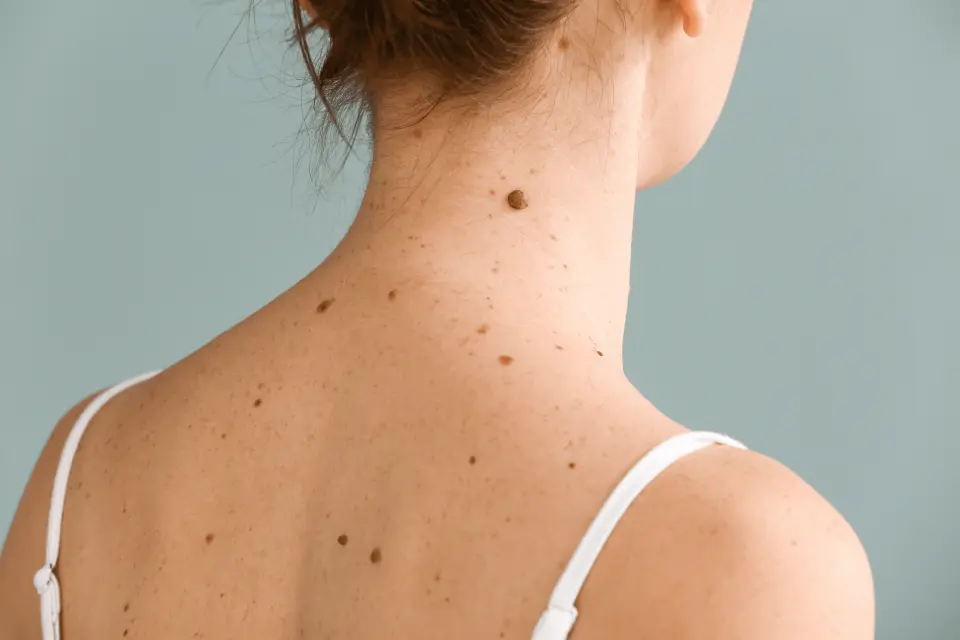
The primary differences between closed comedones and fungal acne lie in their appearance, location, and response to treatment. Closed comedones typically appear on the face, particularly the forehead and chin, while fungal acne more commonly develops on the chest, back, and shoulders.
Condition |
Treatment Options |
Key Characteristics |
|---|---|---|
Closed Comedones |
Salicylic acid, retinoids, gentle exfoliation |
Non-inflammatory, responds to traditional acne treatments |
Fungal Acne |
Antifungal medications, topical creams |
Itchy, uniform bumps, requires specific antifungal approach |
Preventing chest acne and other skin conditions requires a comprehensive approach. Maintain proper hygiene, wear breathable clothing, and use non-comedogenic skincare products to minimize the risk of both closed comedones and fungal acne.
Fungal acne is caused by an overgrowth of yeast, often triggered by humid environments, excessive sweating, and tight clothing.
Yes, if not properly managed, closed comedones can develop into more inflammatory types of acne.
Most fungal acne cases resolve within 2-3 weeks with proper treatment.
Avoid oil-based and heavy moisturizers that can potentially feed the yeast causing fungal acne.
Diet can play a role, particularly for closed comedones. Reducing dairy and high-glycemic foods may help manage skin health.
Understanding the nuanced differences between closed comedones and fungal acne is crucial for effective treatment. Ready to meet your AI doctor? Get started with Doctronic today.
Compare your treatment options
Chat Now