Treatment and Prevention
Cheek Acne Causes: Understanding and Treating Stubborn Breakouts
January 23, 2026
2 min read

Medically reviewed by Alan Lucks | MD, Alan Lucks MDPC Private Practice - New York on February 1st, 2026.
Published on January 23rd, 2026. Updated on April 30th, 2026.
Stress doesn't directly cause acne, but can worsen existing breakouts
Hormonal changes during stress increase skin oil production
Lifestyle disruptions can contribute to acne severity
Stress management techniques can help reduce skin inflammation
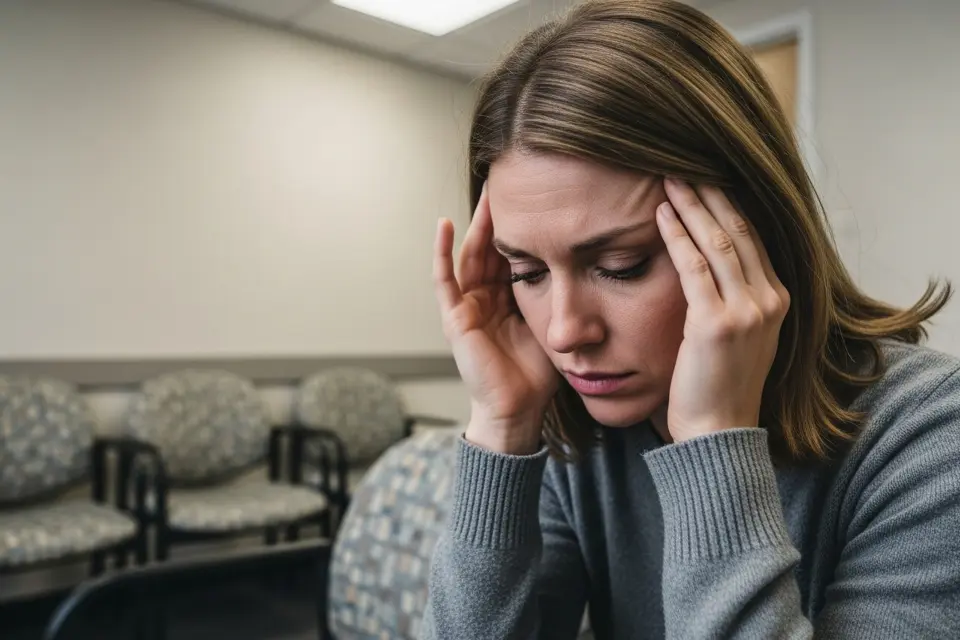
Acne is a complex skin condition that affects millions of people worldwide. While many believe stress is a direct cause of breakouts, the relationship is more nuanced. Stress can trigger physiological changes that exacerbate existing skin conditions, making acne so itchy? and more persistent.
The connection between stress and skin health is deeply rooted in our body's hormonal response. When we experience stress, our body releases hormones like cortisol and androgens that can significantly impact our skin's behavior. Understanding this mechanism is crucial for managing acne, prescribe acne, doctor prescribe effectively.
Stress triggers a complex hormonal response in the body. When you're under pressure, your adrenal glands release stress hormones that directly impact your skin's oil production. These hormones stimulate the sebaceous glands, causing them to produce more oil, which can lead to clogged pores and increased chest acne, causes chest acne, acne.
The inflammatory response triggered by stress can make existing acne more pronounced. Cytokines, small proteins released during stress, increase overall inflammation in the body. This inflammation can make acne lesions appear more red, swollen, and painful, potentially leading to more significant skin irritation.
Stress often disrupts healthy lifestyle habits that are crucial for maintaining clear skin. Poor sleep, unhealthy eating patterns, and decreased self-care can all contribute to acne scars naturally in, acne scars, naturally in more severe breakouts.
Stress Management Technique |
Skin Health Benefit |
|---|---|
Regular Exercise |
Reduces cortisol levels |
Meditation |
Decreases overall inflammation |
Balanced Diet |
Minimizes hormonal fluctuations |
Consistent Sleep Schedule |
Supports skin repair |
Hydration |
Helps flush toxins |
Prevention is key when it comes to managing stress-related skin issues. Developing a consistent skincare routine, practicing stress-reduction techniques, and maintaining a healthy lifestyle can significantly improve your skin's appearance and resilience.
Stress doesn't directly cause acne, but it can worsen existing breakouts by increasing oil production and inflammation.
Hormonal changes can impact skin within hours to days of experiencing significant stress.
Low-glycemic foods, rich in antioxidants and omega-3 fatty acids, can help reduce inflammation and support skin health.
Topical treatments and oral medications can help manage acne symptoms, but addressing the underlying stress is crucial.
With proper management of stress and skincare, stress-related acne can be effectively controlled and minimized.
Understanding the complex relationship between stress and acne is the first step to managing your skin health. Ready to meet your AI doctor? Get started with Doctronic today.
Get advice about acne
Chat Now
Join 50,000+ readers using Doctronic to understand symptoms, medications,
and next steps.
Add your phone number below to get health updates and exclusive VIP offers.
By providing your phone number, you agree to receive SMS updates from Company. Message and data rates may apply. Reply “STOP” to opt-out anytime. Read our Privacy Policy and Terms of Service for more details.
Save your consults. Talk with licensed doctors and manage your health history.