
Get Vocal Cord Dysfunction Treatment Online
Vocal cord dysfunction causes breathing difficulties that can feel alarming and disruptive. Doctronic connects you with licensed physicians who can assess your symptoms and recommend a treatment plan tailored to you, quickly and from wherever you are.


What Is Vocal Cord Dysfunction?
Vocal cord dysfunction (VCD) is a condition marked by involuntary, paradoxical closure of the vocal cords during breathing, most often during inhalation. It can trigger episodes of shortness of breath, throat tightness, stridor, and a choking sensation that are frequently mistaken for asthma. With the right treatment and support, most people with VCD can reduce episode frequency, improve breathing, and return to their normal daily activities.
- Affects breathing by causing the vocal cords to close instead of open during inhalation
- Get personalized guidance from doctor-trained AI
- Explore treatment and prescription options

Is Online Vocal Cord Dysfunction Treatment Right for You?
Doctronic evaluates adults who experience symptoms consistent with vocal cord dysfunction, including unexplained breathing difficulty, throat tightness, and stridor that do not fully respond to standard asthma therapy. Our licensed physicians can review your history, identify likely triggers, and coordinate an appropriate management plan.
Because vocal cord dysfunction often involves airway hypersensitivity and may co-occur with conditions such as gastroesophageal reflux, allergic rhinitis, or anxiety, your physician will consider your full respiratory and medical history when developing your personalized care plan.
- Diagnosed with vocal cord dysfunction or paradoxical vocal fold motion
- Get personalized guidance from AI and clinicians
- Explore treatment and prescription refill options
- Access care from home, often the same day

Medications We Prescribe for Vocal Cord Dysfunction

Singulair
Montelukast
A leukotriene receptor antagonist commonly used to reduce airway inflammation and hypersensitivity that can contribute to VCD episodes, especially when allergic triggers are involved.
Nexium
Esomeprazole
A proton pump inhibitor used to treat gastroesophageal reflux disease (GERD), one of the most common triggers of vocal cord dysfunction episodes.
Flonase
Fluticasone Nasal
An intranasal corticosteroid used to control allergic rhinitis and postnasal drip, which are recognized airway irritants that can provoke VCD episodes.
Atarax
Hydroxyzine Pamoate
An antihistamine with anxiolytic properties that may help manage anxiety-related triggers and allergic contributions to vocal cord dysfunction.
How Vocal Cord Dysfunction Treatment Works at Doctronic

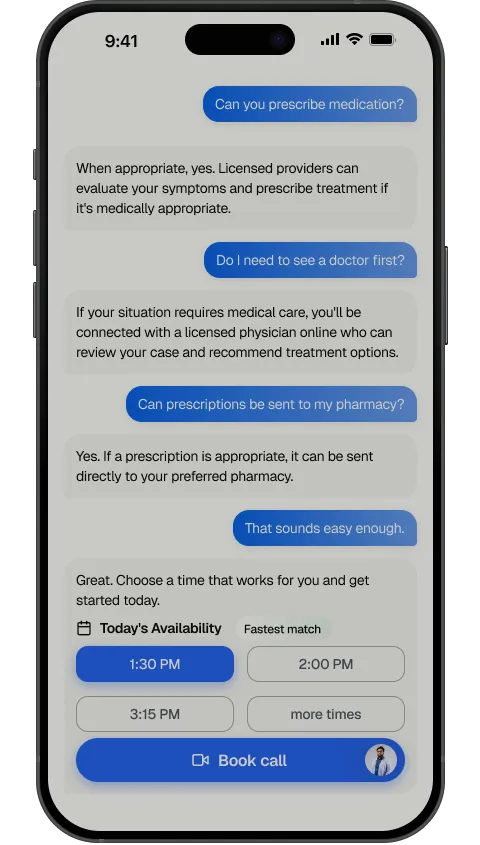
Chat With The #1 AI Doctor
Doctronic answers your health questions with personalized medical insights and helps our doctors create a better treatment plan for you.

Meet With a Licensed Doctor For Treatment
Book a $39 telehealth appointment (or copay) within 30 minutes. Our doctors create personalized treatment plans with prescriptions when needed.

Pick Up Your Prescription
Our doctors prescribe non-controlled medications in all 50 states and send prescriptions to your pharmacy for same-day pickup.
Pricing that won't make you sick
Chat for free, see an online doctor for $39/visit, or refill a prescription online for as low as $0
-
 Available in all 50 states + DC
-
 Insurance accepted

- 24/7 medical care Free
- Specialist referrals Free
- Lifelong health record Free
- Unlimited questions Free
- Prescription refills Starting as low as $0
- Video visit with real doctors $39/visit
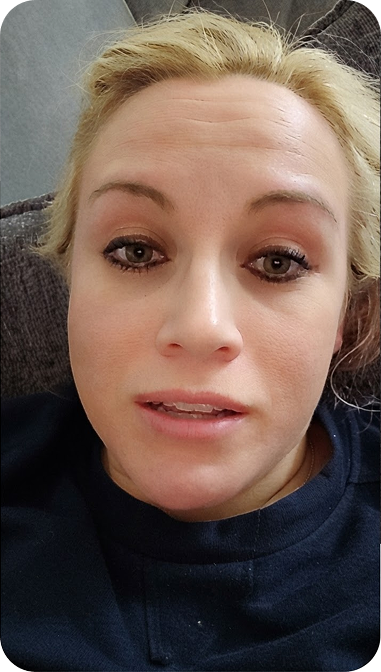
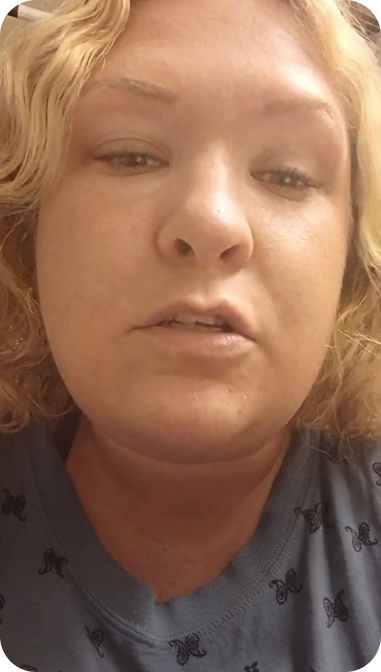
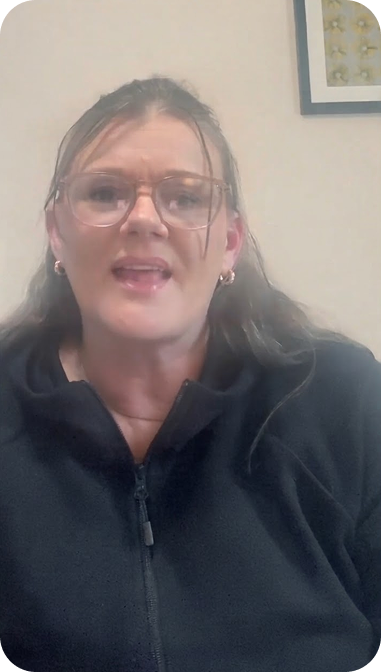
These are stories from real users who turned to Doctronic for answers when it mattered most.
- Preparing for a doctor visit
- Finding peace of mind
- Understanding a diagnosis
- Managing chronic illness
- Navigating healthcare
- A second opinion
- Improving health






Frequently asked questions
Vocal cord dysfunction (VCD) occurs when the vocal cords close abnormally during inhalation instead of opening, causing episodes of breathing difficulty, stridor, and throat tightness. Unlike asthma, which involves inflammation and narrowing of the lower airways, VCD originates at the level of the larynx. The two conditions can coexist, but VCD typically does not respond to bronchodilators the way asthma does.
Common triggers include gastroesophageal reflux disease (GERD), postnasal drip, airborne irritants such as smoke or strong odors, exercise, and psychological stress or anxiety. Identifying and managing your specific triggers is a central part of VCD treatment.
Medication addresses identifiable underlying triggers such as GERD, allergic rhinitis, and anxiety, which can significantly reduce VCD episodes. However, speech therapy with breathing retraining techniques is often considered the most effective long-term treatment. Your physician can help coordinate a comprehensive plan.
VCD episodes are rarely life-threatening, but they can be frightening and disabling. Episodes typically resolve on their own. If you experience severe or prolonged breathing difficulty, seek emergency care to rule out other causes such as airway obstruction or a severe asthma attack.
Diagnosis is most definitively confirmed by laryngoscopy performed during a symptomatic episode, which directly visualizes the paradoxical vocal cord movement. In clinical practice, diagnosis is often made based on history, symptom pattern, spirometry findings (flattened inspiratory loop), and response to treatment after excluding other causes.
Yes, exercise-induced VCD is a recognized subtype. Episodes typically occur during intense physical activity and resolve quickly with rest. Breathing techniques taught by a speech-language pathologist, along with treatment of any underlying triggers like reflux or allergies, can help reduce exercise-related episodes.
Doctronic uses an AI-guided evaluation to gather a detailed picture of your symptoms, triggers, and medical history. A licensed physician then reviews that information, confirms clinical appropriateness, and develops a personalized treatment plan. The entire process takes place online, so you can get care without leaving home.
Yes. Doctronic works exclusively with licensed physicians, and every treatment plan is doctor-reviewed and subject to ongoing clinical audit. The platform is HIPAA-aligned, protecting your personal health information at every step. Care is available to adults 18 and older in any U.S. state.
Top Conditions We Can Help With
People turn to Doctronic and our licensed medical team for support with all types of conditions.