Skin Cancer
Cancerous Moles vs. Normal Moles: A Visual Guide to Melanoma Warning Signs
April 17, 2026
6 min read

Medically reviewed by Lauren Okafor | MD, The Frank H Netter MD School of Medicine, Loyola University Medical Center on March 27th, 2026.
Published on February 17th, 2026. Updated on July 24th, 2026.
Heat rash develops when sweat ducts become blocked, causing small red bumps or blisters on facial skin
Hot, humid weather and heavy skincare products are common triggers for facial heat rash
Cool compresses and gentle cleansing provide immediate relief for irritated skin
Prevention involves staying hydrated, using breathable products, and avoiding excessive heat exposure
Heat rash on the face can be uncomfortable and frustrating, especially because facial skin is more sensitive and always visible. This condition happens when sweat gets trapped under the skin, leading to small bumps, irritation, or a prickly feeling. While it is usually not serious, it can feel bothersome and may require gentle care to avoid worsening symptoms.
Heat rash develops when sweat ducts become blocked, preventing sweat from reaching the surface of the skin. This trapped sweat irritates the surrounding tissue and leads to small bumps or a rash.
Common triggers include:
Hot and humid weather
Excess sweating
Wearing heavy skincare products that clog pores
Tight or non-breathable clothing or face coverings
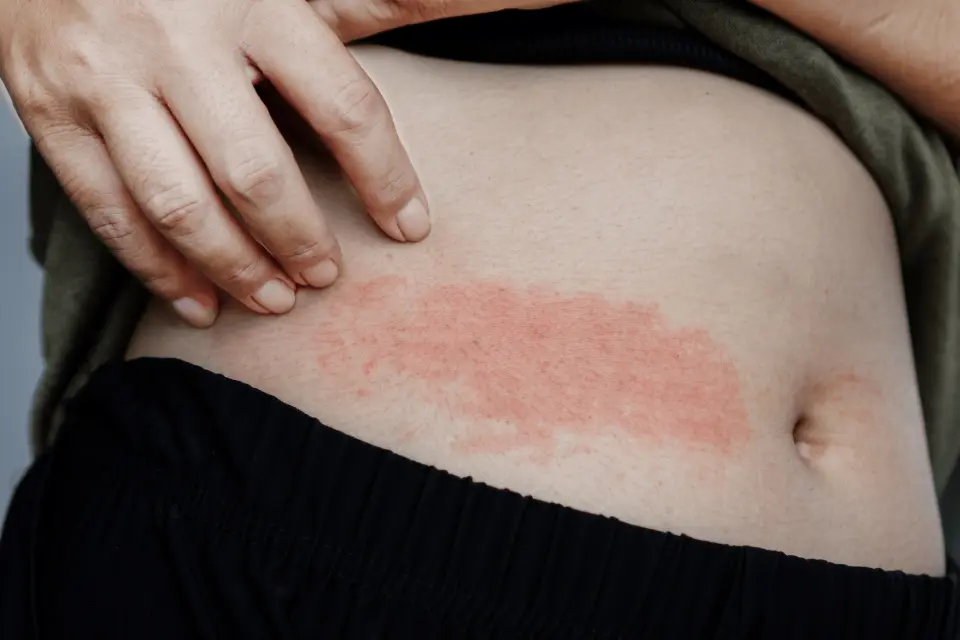
Facial heat rash may appear as:
Small red or skin-colored bumps
Mild swelling or irritation
Itching, tingling, or a prickly sensation
The symptoms are usually mild but can become more uncomfortable if the skin stays hot or sweaty.
Most cases improve with simple at-home care:
Keep your skin cool and dry
Wash your face gently with a mild cleanser
Avoid heavy or oily skincare products
Use lightweight, non-comedogenic moisturizers
Apply cool compresses to soothe irritation
Avoid scratching or picking at the rash, as this can lead to further irritation or infection.
To reduce your risk of facial heat rash:
Stay in cool, well-ventilated environments when possible
Use light, breathable skincare products
Wash away sweat promptly after exercise or heat exposure
Avoid heavy makeup in hot weather
Heat rash on the face is common and usually resolves with simple care. Keeping your skin cool, clean, and free of pore-clogging products can help it heal faster and prevent future flare-ups.
Facial heat rash develops when the body's natural cooling mechanism becomes compromised. The face contains numerous sweat glands that work continuously to regulate body temperature, but when these tiny ducts become blocked by dead skin cells, bacteria, or excess oil, sweat cannot reach the skin's surface properly. This blockage causes sweat to leak into surrounding skin layers, creating the characteristic bumps and irritation.
Several environmental and personal factors increase the risk of developing facial heat rash. Hot, humid climates create ideal conditions for excessive sweating and reduced evaporation, leading to prolonged moisture contact with the skin. Heavy skincare products, particularly thick moisturizers or oil-based cosmetics, can contribute to pore blockage by preventing proper skin ventilation. Got a Rash? Here's how to identify what's triggering your specific skin reaction.
Personal factors also play a significant role. People with naturally oily skin or those prone to acne may experience more frequent episodes due to existing pore congestion. Certain medications, hormonal changes, and stress-induced sweating can trigger facial heat rash episodes. Additionally, wearing tight-fitting hats, helmets, or face coverings that trap heat and moisture around the face creates an environment conducive to sweat duct blockage.
Facial heat rash manifests in several distinct forms, each requiring different approaches to treatment. The mildest form, miliaria crystallina, appears as tiny, clear, fluid-filled blisters that resemble dewdrops on the skin's surface. These blisters are typically painless and cause minimal discomfort, often resolving quickly once the underlying cause is addressed.
Miliaria rubra, commonly known as prickly heat, represents the most frequent type of facial heat rash. This form manifests as small, red, inflamed bumps accompanied by intense itching or prickling sensations. The affected facial areas may feel warm to the touch and appear flushed or irritated. This type can be particularly uncomfortable because facial movements during talking or eating can exacerbate the irritation.
The most severe form, miliaria profunda, involves deeper skin layers and presents as larger, flesh-colored bumps. While less common on the face, this type requires more intensive treatment and longer recovery periods. When trying to distinguish heat rash from other skin conditions, it's important to note that Folliculitis vs Herpes can sometimes present similar symptoms but require very different treatments.
Facial heat rash symptoms often worsen in specific areas where sweat tends to accumulate. The forehead, particularly along the hairline, frequently develops heat rash due to hair trapping moisture and heat. The area around the nose and mouth may be affected due to increased moisture from breathing, especially during physical activity or in humid conditions.
Treating facial heat rash requires a gentle, methodical approach that prioritizes skin healing while avoiding further irritation. The primary goal involves cooling the affected area and removing factors contributing to sweat duct blockage. Immediate relief can be achieved by moving to a cooler environment and gently cleansing the face with lukewarm water to remove excess sweat, oils, and potential irritants.
Cool compresses provide significant symptom relief for facial heat rash. Applying a clean, damp cloth soaked in cool water to affected areas for ten to fifteen minutes several times daily helps reduce inflammation and provides immediate cooling relief. Adding a small amount of baking soda to the water creates a mildly alkaline solution that can help reduce itching and restore the skin's natural pH balance.
Topical treatments should be chosen carefully due to facial skin sensitivity. Calamine lotion, applied sparingly, helps dry excess moisture while providing anti-inflammatory benefits. Aloe vera gel, preferably refrigerated for additional cooling effects, soothes irritated skin without clogging pores. Similar principles apply when learning How to Treat Road rash, where gentle care prevents further skin damage.
Prevention Method |
Effectiveness |
Implementation Tips |
|---|---|---|
Lightweight skincare products |
High |
Choose oil-free, non-comedogenic formulas |
Regular gentle cleansing |
High |
Use lukewarm water twice daily |
Environmental controls |
Medium |
Use fans, AC, seek shade during peak heat |
Breathable clothing/accessories |
Medium |
Avoid tight hats, choose natural fibers |
Hydration maintenance |
Medium |
Drink water regularly throughout the day |
Preventing facial heat rash requires understanding personal triggers and implementing lifestyle modifications to reduce risk factors. Staying adequately hydrated helps regulate body temperature and reduces excessive sweating that contributes to heat rash development. Wearing breathable, natural fiber clothing and avoiding tight-fitting headwear allows better air circulation around the face and head.
Skincare product selection plays a crucial role in prevention. Choosing lightweight, oil-free sunscreens and cosmetics prevents pore blockage while providing necessary protection. Regular cleansing with gentle, pH-balanced cleansers removes accumulated sweat, oils, and environmental pollutants. Understanding different skin conditions like Eczema Rash Pictures helps distinguish heat rash from other facial skin issues.
For individuals prone to recurrent facial heat rash, identifying personal triggers becomes essential. Keeping a diary of episodes, including weather conditions, activities, and products used, can help identify patterns. Just as Lupus Rash vs Rosacea requires careful observation to distinguish, tracking heat rash triggers helps prevent future occurrences.
Most facial heat rash resolves within a few days to a week with proper care. Mild cases may clear up within 24-48 hours once the skin is cooled and kept dry, while more severe cases may take longer to heal completely.
It's best to avoid makeup during active heat rash episodes as cosmetics can worsen pore blockage and irritation. If makeup is necessary, use lightweight, non-comedogenic products and remove them gently as soon as possible.
Consult a healthcare provider if the rash persists beyond a week, shows signs of infection (pus, increased redness, warmth), or is accompanied by fever. Recurrent episodes may also warrant professional evaluation.
No, heat rash is not contagious. It's a mechanical blockage of sweat ducts caused by environmental factors and personal skin characteristics, not by bacteria or viruses that can spread between people.
Yes, children are more susceptible to heat rash because their sweat ducts are smaller and less developed, making blockages more likely. Their skin is also more sensitive to temperature changes and environmental irritants.
Facial heat rash, while uncomfortable and sometimes embarrassing, is a manageable condition with proper understanding and care. The key to successful treatment lies in prompt cooling measures, gentle skincare practices, and avoiding factors that worsen the condition. Prevention strategies focusing on temperature regulation, appropriate product selection, and environmental awareness can significantly reduce the frequency and severity of facial heat rash episodes. While most cases resolve independently with proper care, persistent or severe symptoms warrant professional medical evaluation to rule out other skin conditions and receive specialized treatment recommendations. Get started with Doctronic today.
Mayo Clinic. Heat rash (miliaria). https://www.mayoclinic.org/diseases-conditions/heat-rash/symptoms-causes/syc-20373276
Get personalized health advice
Chat Now
Join 50,000+ readers using Doctronic to understand symptoms, medications,
and next steps.
Add your phone number below to get health updates and exclusive VIP offers.
By providing your phone number, you agree to receive SMS updates from Company. Message and data rates may apply. Reply “STOP” to opt-out anytime. Read our Privacy Policy and Terms of Service for more details.
Save your consults. Talk with licensed doctors and manage your health history.