
Get Postpartum Thyroiditis Treatment Online
Postpartum thyroiditis can cause confusing swings between hyperthyroid and hypothyroid symptoms in the months after delivery. Doctronic connects you with licensed physicians who can evaluate your thyroid function and create a personalized treatment plan from home.


What Is Postpartum Thyroiditis?
Postpartum thyroiditis is an autoimmune condition marked by inflammation of the thyroid gland occurring within the first year after childbirth. It can cause alternating phases of overactive and underactive thyroid function, leading to fatigue, mood changes, heart palpitations, and weight fluctuations. With the right treatment and support, most women recover normal thyroid function within 12 to 18 months.
- Affects an estimated 5 to 10 percent of women in the first year after delivery
- Get personalized guidance from doctor-trained AI
- Explore treatment and prescription options

Is Online Postpartum Thyroiditis Treatment Right for You?
We can evaluate women experiencing postpartum thyroiditis or thyroid-related symptoms following childbirth, including those in the hyperthyroid or hypothyroid phase of the condition. Our licensed physicians can review your thyroid lab results and symptom history to recommend appropriate management.
Because postpartum thyroiditis involves the thyroid and immune system, we take a thorough look at your hormonal history, autoimmune background, and any prior thyroid conditions. This helps us provide the safest and most effective care for your thyroid health after pregnancy.
- Diagnosed with postpartum thyroiditis or abnormal thyroid labs after delivery
- Get personalized guidance from AI and clinicians
- Explore treatment and prescription refill options
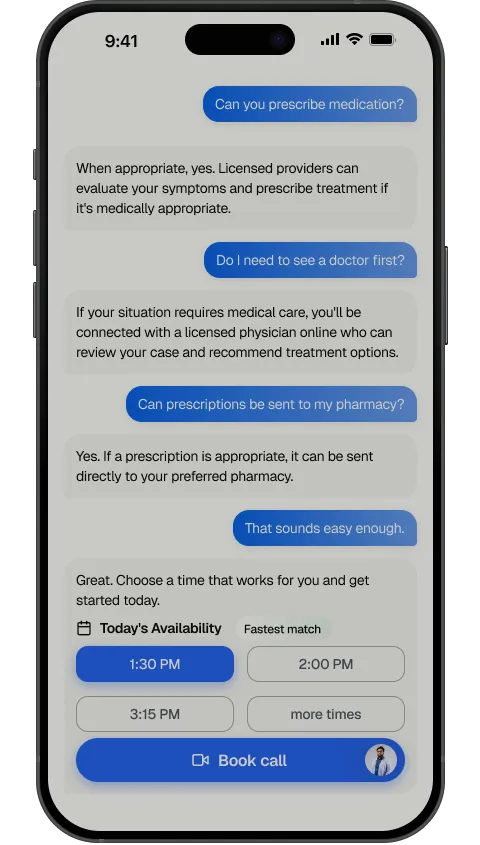
- Access care from home, often the same day

Medications We Prescribe for Postpartum Thyroiditis

Synthroid
Levothyroxine
A synthetic thyroid hormone replacement used to treat the hypothyroid phase of postpartum thyroiditis by restoring normal T4 levels.
Tapazole
Methimazole
An antithyroid medication that reduces thyroid hormone production, used when postpartum thyroiditis causes a significant hyperthyroid phase requiring treatment.
Inderal
Propranolol HCl ER
A beta-blocker used to relieve symptomatic relief of palpitations, tremor, and anxiety during the hyperthyroid phase of postpartum thyroiditis.
Selenium
Selenium
A trace mineral supplement that may support thyroid autoimmune modulation; sometimes used adjunctively in autoimmune thyroid conditions.
How Postpartum Thyroiditis Treatment Works at Doctronic

Chat With The #1 AI Doctor
Doctronic answers your health questions with personalized medical insights and helps our doctors create a better treatment plan for you.

Meet With a Licensed Doctor For Treatment
Book a $39 telehealth appointment (or copay) within 30 minutes. Our doctors create personalized treatment plans with prescriptions when needed.

Pick Up Your Prescription
Our doctors prescribe non-controlled medications in all 50 states and send prescriptions to your pharmacy for same-day pickup.
Pricing that won't make you sick
Chat for free, see an online doctor for $39/visit, or refill a prescription online for as low as $0
-
 Available in all 50 states + DC
-
 Insurance accepted

- 24/7 medical care Free
- Specialist referrals Free
- Lifelong health record Free
- Unlimited questions Free
- Prescription refills Starting as low as $0
- Video visit with real doctors $39/visit
These are stories from real users who turned to Doctronic for answers when it mattered most.
- Preparing for a doctor visit
- Finding peace of mind
- Understanding a diagnosis
- Managing chronic illness
- Navigating healthcare
- A second opinion
- Improving health









Frequently asked questions
Postpartum thyroiditis is an autoimmune inflammation of the thyroid gland that occurs in the first year after delivery. Unlike postpartum depression, it is driven by thyroid hormone imbalance and can cause physical symptoms such as heart palpitations, weight changes, and heat or cold intolerance alongside mood changes. A thyroid blood test can distinguish the two.
The condition typically has a hyperthyroid phase lasting one to four months, during which the damaged thyroid releases stored hormone, causing anxiety, palpitations, and weight loss. This is often followed by a hypothyroid phase with fatigue, weight gain, depression, and cold intolerance. Some women experience only one phase.
Physicians typically order TSH (thyroid-stimulating hormone), Free T4, and sometimes Free T3 levels. Thyroid peroxidase antibodies (TPO antibodies) are also commonly measured, as they are elevated in most women with postpartum thyroiditis and indicate autoimmune involvement.
For most women, thyroid function returns to normal within 12 to 18 months after delivery without permanent treatment. However, approximately 20 to 30 percent of women develop permanent hypothyroidism and will require long-term thyroid hormone replacement therapy.
Many treatments used for postpartum thyroiditis can be compatible with breastfeeding, but this depends on the specific medication and dose. Levothyroxine is generally considered safe during breastfeeding. Propranolol and methimazole require a physician's guidance. Always inform your doctor that you are breastfeeding so they can tailor your treatment appropriately.
Women with positive TPO antibodies before or during pregnancy, a personal or family history of autoimmune thyroid disease, type 1 diabetes, or a prior episode of postpartum thyroiditis are at higher risk. The condition affects approximately 5 to 10 percent of postpartum women overall.
Doctronic uses an AI-guided evaluation to gather your symptoms, medical history, and any recent lab results. A licensed physician then reviews your information and develops a personalized treatment plan, which may include a prescription, lab orders, or follow-up recommendations. Everything is done online for your convenience.
Yes. Doctronic connects you with fully licensed physicians who review and approve every treatment plan. All consultations are HIPAA-aligned, and our clinical processes are regularly audited to ensure safety and accuracy. Care is available to adults 18 and older in any U.S. state.
Top Conditions We Can Help With
People turn to Doctronic and our licensed medical team for support with all types of conditions.