Skin Cancer
Cancerous Moles vs. Normal Moles: A Visual Guide to Melanoma Warning Signs
April 17, 2026
6 min read

Medically reviewed by Alan Lucks | MD, Alan Lucks MDPC Private Practice - New York on April 30th, 2026.
Published on July 24th, 2024. Updated on April 30th, 2026.
Rising global temperatures increase heat-related deaths by 250,000 annually by 2030-2050, with adults over 65 and children under 5 facing the highest risk during heat waves above 95°F.
Air pollution from fossil fuels causes 7 million premature deaths yearly, worsening asthma attacks by 40% on high-smog days and increasing cardiovascular disease risk in urban populations.
Vector-borne diseases like malaria and dengue fever are expanding their geographic range, with tick-borne Lyme disease cases rising 25% in northern regions as warmer winters allow ticks to survive longer.
Extreme weather events trigger acute stress reactions in 20-40% of exposed populations, while prolonged droughts and flooding create food insecurity affecting 828 million people globally.
Household carbon footprint reduction through walking/cycling instead of driving, eating 2-3 plant-based meals weekly, and using programmable thermostats can cut emissions by 20-30% while improving personal health outcomes.
Climate change and personal health may seem like separate issues, but they are more closely connected than you might think. As our planet warms due to increased levels of human-made carbon dioxide in the atmosphere, we are witnessing the direct impact on human health in many parts of the world, including the United States.
As temperatures rise, we face numerous health risks, such as:
Coastal flooding, leading to homelessness, the spread of infectious diseases, and psychological trauma
Unstable weather patterns, including more frequent and severe storms, droughts, heat waves, and forest fires
Food insecurity due to droughts and damage to marine life
These consequences disproportionately affect less affluent people and impoverished nations, exacerbating poverty, malnutrition, and armed conflicts.
Climate change can alter the patterns and territories of infectious diseases, making it harder for healthcare systems to contain them. Some examples include:
Diseases carried by animals and insects, such as Lyme disease, West Nile virus, and Zika
Waterborne infections, like cholera and other gastrointestinal illnesses
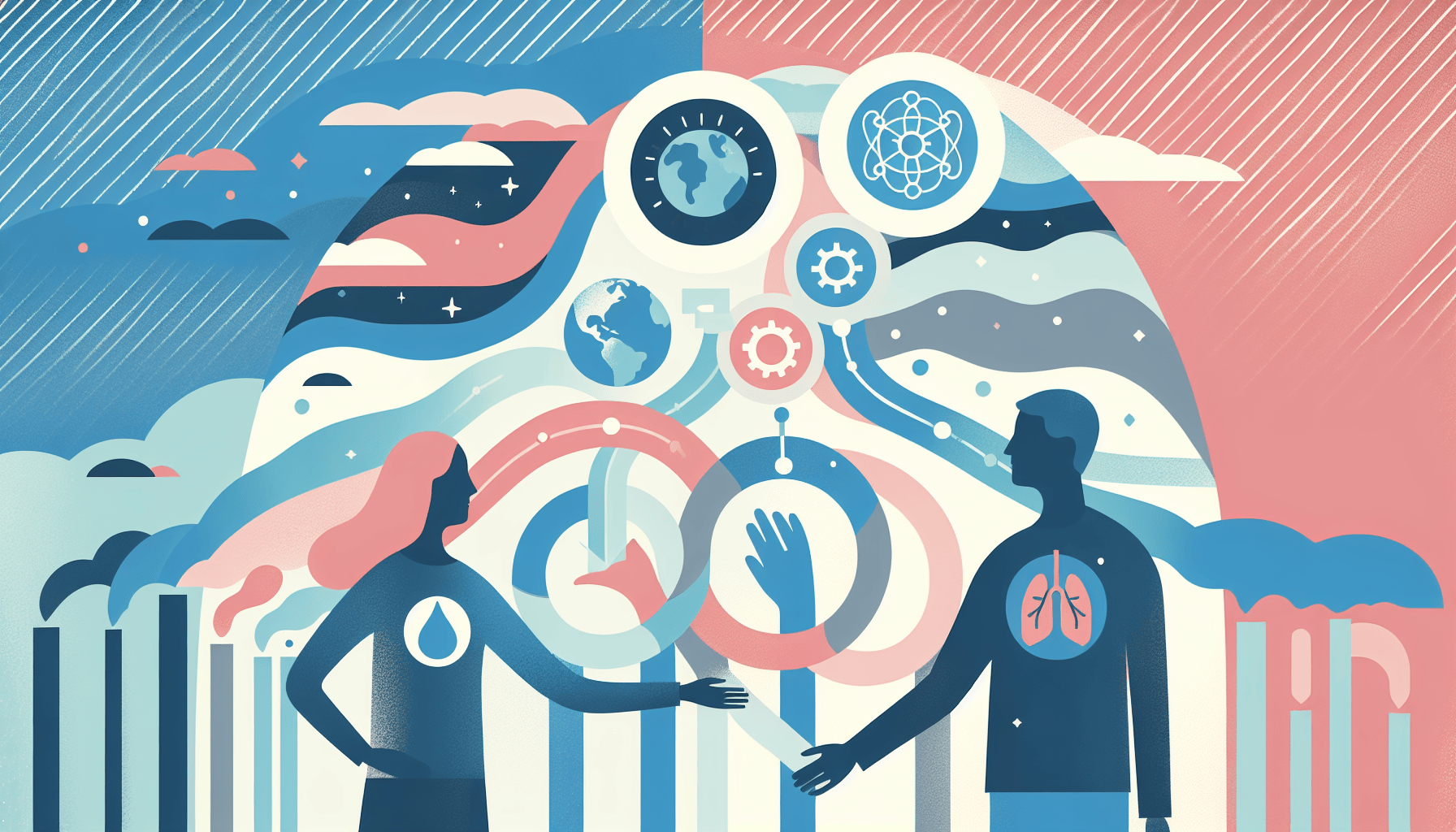
Fortunately, there are steps you can take to reduce your carbon footprint and improve your health simultaneously:
Walk or bike instead of driving to avoid burning fossil fuels and get exercise
Eat less red meat, which is linked to a lower risk of heart disease and certain cancers
Grow and consume local produce to foster a sense of community and eat more vegetables
Use renewable energy to reduce air pollution and lower the risk of asthma and lung cancer
Remember, environmental health is human health. By taking action to combat climate change, you are not only protecting the planet but also safeguarding your own well-being. To learn more about the connection between climate change and health, visit the World Health Organization, Centers for Disease Control and Prevention, and National Institute of Environmental Health Sciences.
Climate change creates both immediate health risks through extreme weather and long-term threats via air quality and disease patterns that disproportionately affect vulnerable populations. Personal protective measures like heat safety planning and air quality monitoring, combined with sustainable lifestyle choices, provide dual benefits for individual and planetary health. If you're experiencing respiratory symptoms, heat-related illness, or climate anxiety, Doctronic can help you understand your symptoms and find appropriate care.
Get personalized health advice
Chat Now
Join 50,000+ readers using Doctronic to understand symptoms, medications,
and next steps.
Add your phone number below to get health updates and exclusive VIP offers.
By providing your phone number, you agree to receive SMS updates from Company. Message and data rates may apply. Reply “STOP” to opt-out anytime. Read our Privacy Policy and Terms of Service for more details.
Save your consults. Talk with licensed doctors and manage your health history.