
Saxenda Dosage Guide: How Much to Take and When (With Chart)

Medically reviewed by Alan Lucks | MD, Alan Lucks MDPC Private Practice - New York on January 2nd, 2026.
Published on December 31st, 2025. Updated on July 24th, 2026.
Key takeaways
Saxenda is a prescription medication used for weight management, containing liraglutide as its active ingredient.
The dosage of Saxenda starts low and gradually increases over several weeks to minimize side effects.
Typical adult dosing begins at 0.6 mg daily, increasing weekly until reaching 3.0 mg daily.
It is administered as a once-daily subcutaneous injection, preferably at the same time each day.
Adjustments may be necessary for certain medical conditions, and missed doses should be handled carefully.
Consulting with a healthcare provider or using telehealth services like Doctronic.ai can help tailor Saxenda dosage safely.
Understanding Saxenda Uses and Dosages
Saxenda helps with weight loss by copying a natural hormone called GLP-1. This hormone helps control hunger and makes you feel full sooner. Because of this, Saxenda can help you eat less, make healthier food choices, and stick to your weight loss plan. It can also support better metabolic health, which is helpful for people with obesity or weight-related health problems.
For best results, Saxenda should be used along with healthy eating and regular physical activity. Eating balanced meals and staying active can make the medication work even better. Many healthcare providers suggest setting small, realistic goals and tracking progress to stay motivated. Using apps, journals, or support groups can also help you stay on track.
Getting the Saxenda dosage right is very important. Treatment usually starts at a low dose of 0.6 mg per day. The dose is increased by 0.6 mg each week until reaching the full dose of 3.0 mg per day. This gradual increase helps reduce side effects such as nausea or stomach upset.
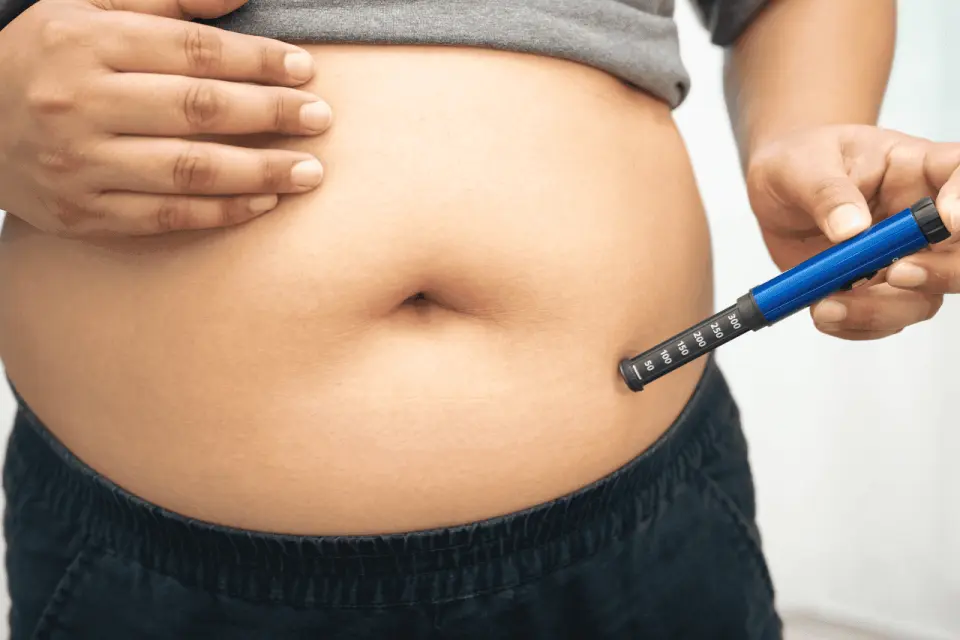
Saxenda is given as a daily injection under the skin, usually in the stomach, thigh, or upper arm. Try to take it at the same time every day. If you miss a dose, take it when you remember, unless it’s close to the next dose. Never take two doses at once.
Saxenda Dosage Chart
Form |
Strength |
Typical Adult Dose |
Typical Children’s Dose |
Frequency |
Route |
Maximum Daily Dose |
|---|---|---|---|---|---|---|
Injection |
6 mg/mL (pre-filled pen) |
Start at 0.6 mg, increase weekly to 3.0 mg |
Not typically recommended |
Once daily |
Subcutaneous |
3.0 mg/day |
Saxenda Dosage by Condition
Weight Management in Adults
Saxenda is primarily prescribed to adults with obesity or overweight conditions who have at least one weight-related health problem, such as type 2 diabetes or high blood pressure. Dosing starts at 0.6 mg daily for 1 week to help your body adjust and reduce side effects such as nausea.
Each week, the dose increases by 0.6 mg until reaching the maintenance dose of 3.0 mg daily, usually by week five. This gradual increase helps improve tolerance and maximizes the medication's effectiveness.
Use in Children and Adolescents
Saxenda is generally not recommended for children under 18 years old for weight management. Safety and efficacy have not been established in this population. Always consult a healthcare provider for pediatric weight concerns.
What is the Typical Saxenda Dose For Adults?
The typical adult dose starts at 0.6 mg injected subcutaneously once daily. After one week, increase to 1.2 mg daily, then 1.8 mg, 2.4 mg, and finally 3.0 mg daily over the subsequent weeks. This titration schedule helps reduce gastrointestinal side effects.
The maximum recommended dose is 3.0 mg daily. Staying consistent with the timing of your injection each day can help maintain steady medication levels.
What to Do If You Miss a Dose of Saxenda?
If you miss a dose of Saxenda, take it as soon as you remember on the same day. If it is close to the time for your next dose, skip the missed dose and resume your regular schedule. Do not double up doses to make up for a missed one.
Maintaining a consistent daily schedule is important for the medication to work effectively.
How to Adjust Your Saxenda Dose For Certain Medical Conditions
Kidney or Liver Issues
Patients with moderate to severe kidney or liver impairment should use Saxenda cautiously. Dose adjustments may be necessary, but this should only be done under medical supervision.
Gastrointestinal Disorders
Since Saxenda can cause nausea and vomiting, individuals with a history of gastroparesis or other gastrointestinal conditions should discuss risks with their doctor before starting treatment.
Saxenda Overdose and Warnings
An overdose of Saxenda can cause severe nausea, vomiting, hypoglycemia, or other serious side effects. If an overdose is suspected, seek emergency medical attention immediately.
Do not exceed the prescribed dose or frequency. Always follow your healthcare provider's instructions carefully.
Tips For Taking Saxenda Safely
Inject Saxenda under the skin of your abdomen, thigh, or upper arm using the pre-filled pen.
Rotate injection sites to avoid irritation.
Store the medication in the refrigerator until first use; after opening, it can be kept at room temperature for up to 30 days.
Monitor for side effects and report any severe or persistent symptoms to your healthcare provider promptly.
Use telehealth services like Doctronic.ai to get personalized advice and connect with doctors who can help adjust your dose safely.
Get Saxenda online today
A licensed doctor can review your symptoms and, if appropriate, send a prescription for Saxenda to your pharmacy, often the same day.
- $39 video visit
- Insurance accepted
- 4.8 on Trustpilot
Related medications we prescribe
- Saxenda liraglutide 3 mg
- Wegovy semaglutide 2.4 mg
- Zepbound tirzepatide 15 mg
- Mounjaro tirzepatide 10 mg
- Zepbound Injector
Learn More About Saxenda Dosage With Doctronic
Getting the right Saxenda dosage can be complex, especially if you have other health conditions or experience side effects. Doctronic.ai offers a convenient way to get personalized medical guidance from licensed doctors without leaving your home.
Doctronic’s AI-powered platform remembers your health history and provides tailored recommendations based on the latest medical research. Whether you have questions about dosage adjustments, side effects, or how to combine Saxenda with other treatments, Doctronic can assist you quickly and affordably.
The Bottom Line About Saxenda Dosages
Saxenda dosing involves a careful, stepwise increase from 0.6 mg to 3.0 mg daily to optimize weight loss benefits while minimizing side effects. It is important to follow your healthcare provider’s instructions and maintain consistent injection times.
For anyone starting or adjusting to Saxenda, professional guidance is key. Telehealth platforms like Doctronic.ai provide accessible, expert support to ensure your treatment is safe and effective.
Frequently Asked Questions
Combining Saxenda with other weight loss drugs should only be done under medical supervision to avoid adverse interactions.
Weight loss results typically begin within a few weeks but may take several months to become noticeable.
Mild nausea or digestive discomfort is common. If severe, consult your healthcare provider, who may suggest slowing the dose increase.
Yes, but dosing and monitoring should be managed carefully due to potential effects on blood sugar levels.
Stopping Saxenda may lead to weight regain. Discuss long-term plans with your doctor before discontinuing.
Related articles

Get Saxenda dosing guidance
Chat Now