Mental Health
How to Calm an Anxiety Attack: Techniques That Work in the Moment
April 17, 2026
6 min read

Medically reviewed by Jerome Albert Ecker | MD, Assistant Professor of Medicine, Duke University - Durham, NC on October 25th, 2023.
Published on October 25th, 2023. Updated on August 11th, 2026.
Derived from Piper methysticum root, this Pacific island plant contains kavalactones that bind to GABA receptors, producing anxiolytic effects comparable to low-dose benzodiazepines in clinical studies.
Hepatotoxicity occurs in approximately 1 in 17,000 to 1 in 125,000 users, with cases ranging from reversible enzyme elevation to fulminant liver failure requiring transplantation.
Traditional aqueous preparations appear safer than alcohol or acetone extracts; recommended dosing is 60-120mg of kavalactones daily for maximum 3 months with 2-week breaks.
Contraindications include existing liver disease, pregnancy, concurrent use of hepatotoxic medications (acetaminophen, statins), and any alcohol consumption during treatment periods.
Withdrawal symptoms including anxiety rebound, tremors, and sleep disturbance can occur after 6+ weeks of regular use, requiring gradual tapering under medical supervision.
Kava kava, also known simply as kava, is an herbal remedy derived from the roots of the Piper methysticum plant, native to the islands of the Pacific Ocean. For centuries, people in Fiji, Tonga, and other Pacific islands have used kava in social gatherings and traditional medicine. The roots are typically dried or crushed into a powder, then mixed with water to create a drinkable mixture.
Kava contains compounds called kavapyrones, which act on the brain in a manner similar to alcohol, promoting feelings of calmness, relaxation, and happiness. Additionally, kava is believed to have pain-relieving, anti-seizure, and muscle-relaxing properties. Some of the conditions kava has been used to treat include:
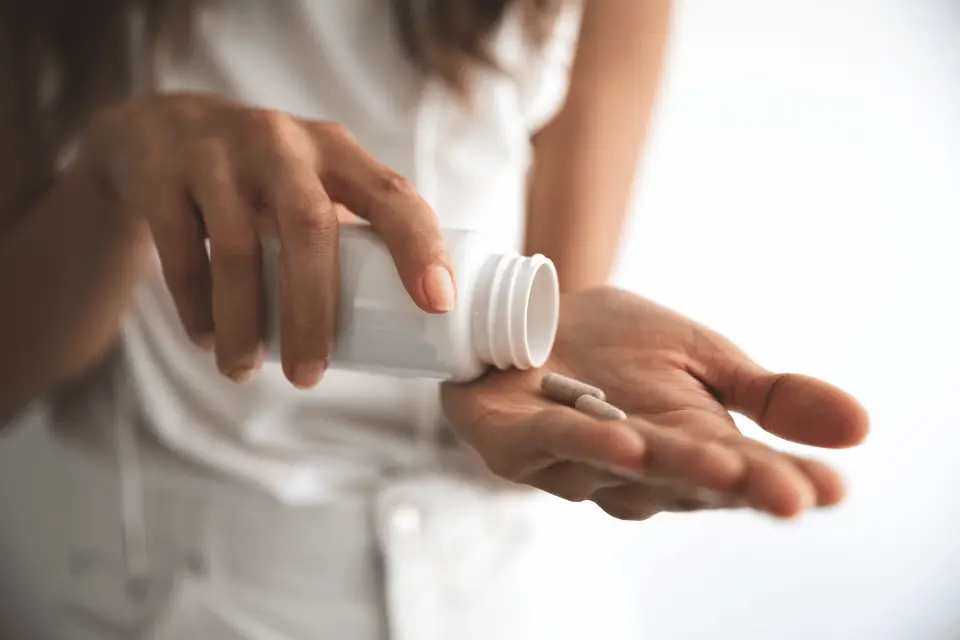
Kava is available as an herbal supplement in various forms, such as capsules, tablets, and tinctures (dissolved in alcohol). It can be purchased online and in health food stores.

The safe dosage and duration of kava use are not well-established. If your doctor approves its use, it is advisable to take the lowest possible dose and not exceed three months of continuous use. Avoid drinking alcohol while using kava, as it may compound the effects.
Kava can cause side effects, including:
The most serious concern associated with kava is the potential for liver damage. In 2002, the FDA issued a consumer advisory warning about the risk of liver disease linked to kava supplements. Some cases of liver damage, including cirrhosis, hepatitis, and liver failure, have been reported in individuals taking kava. However, it is unclear whether kava was the sole cause of the damage or if other medications or herbs contributed to the problem. Most cases of liver damage improved within months of discontinuing kava use.
Due to the potential liver risks, some countries, such as France and Canada, have banned kava. However, it remains available for purchase in the United States and online. There are also concerns about the potential for addiction, although this has not been conclusively proven.
Before taking kava, consult your doctor and inform them about all medications you are currently taking. Kava can interact with certain drugs, including:
Avoid using kava if you have liver disease, are pregnant or breastfeeding, or have been diagnosed with depression or bipolar disorder.
If you experience any signs of liver damage while taking kava, such as tiredness, nausea, vomiting, yellowing of the skin and eyes (jaundice), stomach pain, or loss of appetite, contact your doctor immediately.
For more information on the potential benefits and risks of kava, consult reputable sources such as the National Center for Complementary and Integrative Health and the Mayo Clinic.
While effective for anxiety reduction, the supplement carries significant hepatotoxicity risks that outweigh benefits for most users given safer alternatives available. Monitor for jaundice, dark urine, or right upper quadrant pain during any use period. If you're experiencing potential liver-related symptoms after using this supplement, Doctronic can help evaluate your symptoms quickly.
Get personalized health advice
Chat Now
Join 50,000+ readers using Doctronic to understand symptoms, medications,
and next steps.
Add your phone number below to get health updates and exclusive VIP offers.
By providing your phone number, you agree to receive SMS updates from Company. Message and data rates may apply. Reply “STOP” to opt-out anytime. Read our Privacy Policy and Terms of Service for more details.
Save your consults. Talk with licensed doctors and manage your health history.