
Chlamydia Rash on Inner Thigh in Females: Causes, Symptoms, and Treatment

Medically reviewed by Alan Lucks | MD, Alan Lucks MDPC Private Practice - New York on February 1st, 2026.
Published on January 23rd, 2026. Updated on September 11th, 2026.
Key takeaways
Chlamydia can cause skin rashes and irritation in the inner thigh area
Not all inner thigh rashes are sexually transmitted
Early detection and treatment are crucial for preventing complications
Professional medical consultation is essential for accurate diagnosis
Sexually transmitted infections (STIs) can manifest in various ways, and chlamydia is no exception. While many people associate chlamydia with genital discharge or urinary symptoms, skin rashes can also be a potential indicator of this common bacterial infection. Understanding the nuanced presentation of what causes a rash on the stomach and other skin conditions is critical for proper diagnosis and treatment.
Chlamydia is a bacterial infection that primarily affects the reproductive system but can also impact other parts of the body. When it comes to rashes on the inner thigh, women may experience a range of symptoms that can be both uncomfortable and concerning. Herpes vs herpes symptoms can sometimes overlap, which is why professional medical assessment is crucial.
Understanding Chlamydia-Related Skin Symptoms
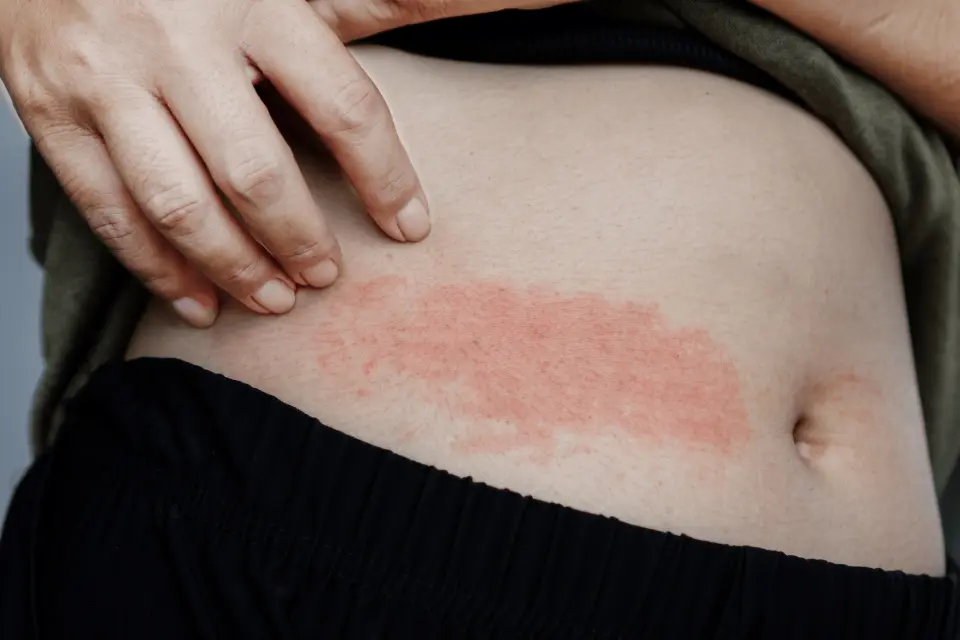
Chlamydia can cause skin manifestations that extend beyond typical genital symptoms. The inner thigh rash associated with this infection might appear as small, red, or irritated patches that can be itchy or slightly raised. These rashes are often a result of the body's inflammatory response to the bacterial infection.
Diagnostic Considerations
Not every rash on the inner thigh is directly related to chlamydia. Eczema rash pictures can sometimes look similar, which is why professional medical evaluation is essential. Factors such as skin sensitivity, recent sexual activity, and overall health play significant roles in determining the underlying cause.
Transmission and Risk Factors
Chlamydia is primarily transmitted through sexual contact. Women who are sexually active, particularly those with multiple partners or those who do not consistently use protection, are at higher risk. The bacteria can spread through vaginal, anal, and oral sexual activities.
Treatment and Management
Chlamydia is typically treated with antibiotics. A healthcare provider will prescribe a specific course of treatment based on individual circumstances. Natural eczema treatment remedies might help manage skin irritation, but they are not a substitute for medical treatment of STIs.
Potential Complications
If left untreated, chlamydia can lead to serious health issues, including:
Complication |
Description |
Potential Impact |
|---|---|---|
Pelvic Inflammatory Disease |
Infection of reproductive organs |
Fertility problems |
Chronic Pelvic Pain |
Persistent discomfort |
Reduced quality of life |
Ectopic Pregnancy |
Pregnancy outside the uterus |
Serious health risk |
Prevention Strategies
Practice safe sex
Get regular STI screenings
Communicate openly with sexual partners
Use barrier protection consistently
Frequently Asked Questions
Symptoms can appear within 1-3 weeks after exposure, but some people may be asymptomatic.
While possible, it's uncommon. Most people experience additional symptoms like discharge or pain.
Yes, chlamydia is completely treatable with antibiotics when diagnosed early.
Many clinics and services offer confidential at-home testing options.
Untreated chlamydia can lead to significant reproductive health complications.
The Bottom Line
Understanding the complexities of sexually transmitted infections requires professional medical insight. Ready to meet your AI doctor? Get started with Doctronic today.
Related articles

Cancerous Moles vs. Normal Moles: A Visual Guide to Melanoma Warning Signs

Can Allergies Make You Feel Sick? Spring Allergy Symptoms That Mimic Illness

Pain in the Back of Your Knee: What's Causing It and What to Do
Medial Knee Pain: Causes, Diagnosis, and Treatment for Active People
Types of Eczema: Identifying Which One You Have and How to Treat It

Physical Symptoms of Anxiety: When Your Body Keeps the Score
Lymphoma Rash: What It Looks Like and When to Get Checked
Check your symptoms
Chat Now