
Natural Eczema Treatment: Remedies That Really Work

Medically reviewed by Alan Lucks | MD, Alan Lucks MDPC Private Practice - New York on December 20th, 2025.
Published on December 19th, 2025. Updated on July 23rd, 2026.
Key takeaways
Eczema can be managed effectively with natural remedies that soothe inflammation and restore skin barrier function.
Moisturizing regularly with gentle, fragrance-free products is essential for controlling eczema flare-ups.
Identifying and avoiding personal triggers such as allergens, irritants, and stress helps reduce symptoms.
Natural treatments like oatmeal baths, coconut oil, and aloe vera provide relief without harsh chemicals.
Telehealth services like Doctronic.ai offer convenient access to expert advice for personalized eczema care.
Understanding Eczema and Why Natural Treatments Matter
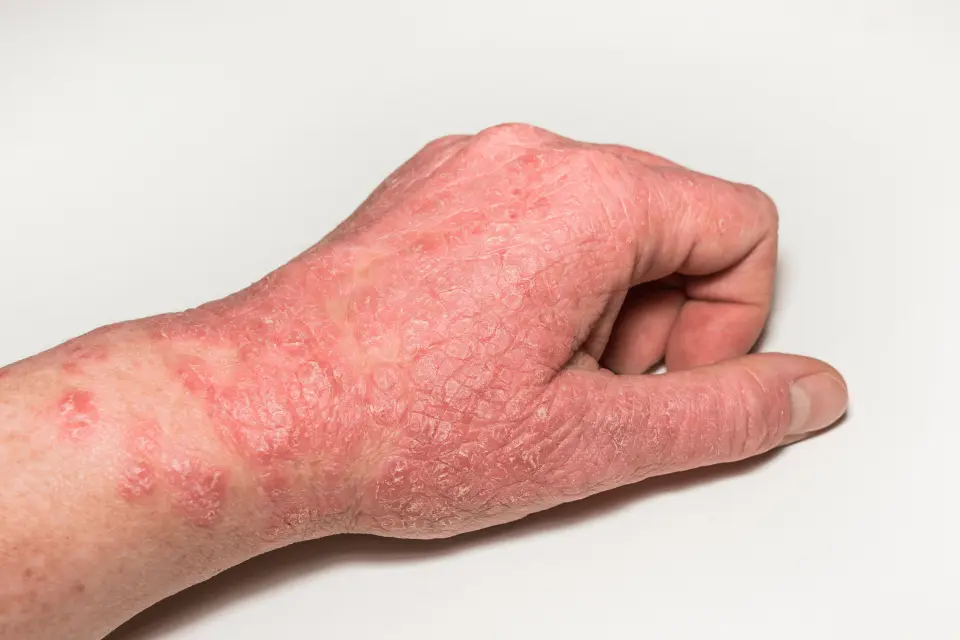
Eczema is a common skin condition characterized by dry, itchy, and inflamed patches of skin. It affects millions worldwide and can range from mild irritation to severe discomfort. While prescription medications are often used, many people seek natural eczema treatments to avoid side effects and support long-term skin health.
Natural remedies focus on calming inflammation, repairing the skin barrier, and preventing flare-ups. These approaches work well alongside medical advice and can be tailored to individual needs. Using natural treatments also helps reduce exposure to harsh chemicals that may worsen eczema symptoms.
One popular natural treatment for eczema is the use of essential oils, such as lavender and chamomile, known for their soothing properties. These oils can be diluted in a carrier oil and applied topically to help alleviate itching and promote healing. Incorporating omega-3 fatty acids into the diet, found in foods like flaxseeds and walnuts, can support skin health from the inside out by reducing inflammation and improving hydration levels in the skin.
Another effective strategy involves the use of natural moisturizers, such as coconut oil and shea butter, which not only hydrate the skin but also form a protective barrier to lock in moisture. Regularly applying these products can significantly improve skin texture and resilience, making it less susceptible to irritants. Lifestyle changes, such as maintaining a consistent skincare routine and managing stress through mindfulness practices, can play a crucial role in controlling eczema flare-ups and enhancing overall skin health.
Daily Skincare Habits to Manage Eczema Naturally
Gentle Cleansing and Moisturizing
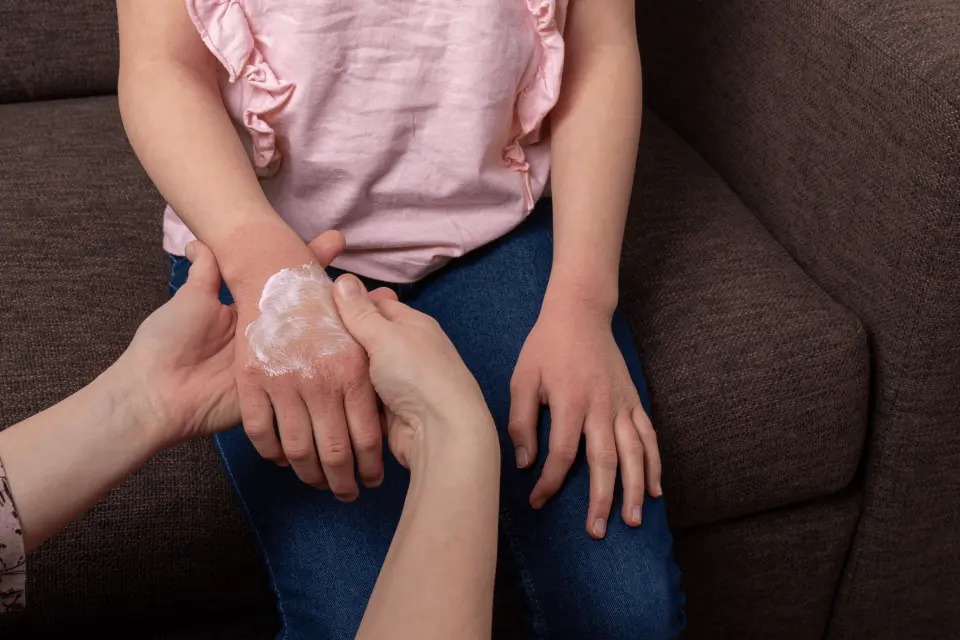
Keeping skin clean without stripping its natural oils is crucial. Use mild, fragrance-free cleansers and avoid hot water, which can dry out the skin. After bathing, gently pat skin dry and immediately apply a rich moisturizer to lock in moisture. This helps maintain the skin’s protective barrier and prevents cracking and irritation. Consider using a humidifier in your living space, especially during dry seasons. This can help maintain moisture levels in the air, which in turn can prevent your skin from becoming overly dry and irritated.
Choosing the Right Moisturizers
Look for ointments or creams that contain natural ingredients like shea butter, ceramides, or sunflower oil. These ingredients support skin hydration and barrier repair. Avoid lotions with fragrances, dyes, or alcohol, as they can trigger eczema flare-ups. Applying moisturizer multiple times a day, especially after washing hands or showering, is key to managing symptoms effectively. It may also be beneficial to choose products that are specifically labeled as hypoallergenic or formulated for sensitive skin, as these are often gentler and less likely to provoke a reaction.
Oatmeal Baths for Soothing Relief
Colloidal oatmeal baths are a time-tested remedy that helps reduce itching and inflammation. The finely ground oatmeal forms a protective barrier on the skin, locking in moisture and calming irritation. Adding oatmeal to bathwater for 10 to 15 minutes can provide immediate comfort during flare-ups. For an enhanced soothing experience, consider adding a few drops of lavender or chamomile essential oils, known for their calming properties. Always ensure that any added ingredients are safe for sensitive skin and do not contain potential irritants.
Incorporating Anti-Inflammatory Foods
In addition to topical treatments, your diet can play a significant role in managing eczema symptoms. Incorporating anti-inflammatory foods such as fatty fish rich in omega-3 fatty acids, leafy greens, and nuts can help reduce inflammation from within. Foods high in antioxidants, like berries and sweet potatoes, can also support skin health. Staying hydrated by drinking plenty of water is equally important, as it helps maintain skin elasticity and overall hydration, potentially reducing the severity of flare-ups.
Mindfulness and Stress Management
Stress can be a significant trigger for eczema flare-ups, making mindfulness and stress management techniques essential components of a holistic skincare routine. Practices such as yoga, meditation, or deep-breathing exercises can help reduce stress levels and promote a sense of calm. Engaging in regular physical activity can improve circulation and overall skin health. Finding time to unwind, whether by reading, spending time in nature, or pursuing a hobby, can also provide mental relief and support better skin management.
 Natural Ingredients That Help Soothe Eczema
Coconut Oil
Coconut oil is rich in fatty acids that nourish the skin and have antimicrobial properties. Applying virgin coconut oil to affected areas can reduce dryness and prevent bacterial infections that sometimes accompany eczema. It also helps soothe itching and inflammation.
Aloe Vera
Aloe vera gel is known for its cooling and anti-inflammatory effects. It can be applied directly to eczema patches to relieve redness and irritation. Look for pure aloe vera products without added fragrances or alcohol to avoid further irritation.
Honey
Raw honey has natural antibacterial and healing properties. Applying a thin layer to eczema-affected skin may help speed healing and reduce infection risk. Honey also keeps the skin moist, which is beneficial for eczema management.
Identifying and Avoiding Eczema Triggers
Common Environmental Triggers
Many eczema flare-ups are linked to environmental factors. Common triggers include harsh soaps, detergents, wool or synthetic fabrics, pollen, pet dander, and extreme temperatures. Keeping a diary of flare-ups alongside daily activities and exposures can help identify personal triggers to avoid.
Stress Management
Stress is a well-known factor that can worsen eczema symptoms. Incorporating stress-reducing techniques such as meditation, yoga, or deep breathing exercises can improve skin health. Prioritizing sleep and regular physical activity also supports overall well-being and reduces flare-ups.
When to Seek Professional Help and How Telehealth Can Assist
While natural remedies can be highly effective, some eczema cases require medical evaluation and treatment. If symptoms worsen, become infected, or do not improve with home care, consulting a healthcare provider is important.
Telehealth platforms like Doctronic.ai make it easy to get expert advice without leaving home. Doctronic offers AI-powered doctor visits and telehealth video consultations with licensed physicians 24/7 across all 50 states. This service provides quick, affordable access to personalized care and treatment recommendations tailored to your eczema needs.
Get eczema treatment online today
A licensed doctor can review your symptoms and send a prescription to your pharmacy, often the same day.
- $39 video visit
- Insurance accepted
- 4.8 on Trustpilot
Related medications we prescribe
- Eucrisa crisaborole
- Cutivate fluticasone topical
- Desowen desonide
- Aclovate alclometasone dipropionate
- Locoid hydrocortisone butyrate
- Alclometasone
- Desonide
Maintaining Long-Term Skin Health
Consistency is key when managing eczema naturally. Establishing a daily routine that includes gentle cleansing, moisturizing, and trigger avoidance helps keep flare-ups under control. Regularly using natural remedies like oatmeal baths and coconut oil supports skin healing and comfort.
Staying informed about new treatments and monitoring your skin’s response is important. If you notice changes or new symptoms, consider consulting a healthcare professional through telehealth services to adjust your care plan promptly.
Finding Relief and Confidence in Natural Eczema Care
Managing eczema naturally involves a combination of gentle skincare, identifying triggers, and using soothing remedies that support the skin’s healing process. These approaches empower individuals to take control of their condition without relying solely on medications.
With advances in telehealth, expert guidance is more accessible than ever. Doctronic.ai offers personalized, AI-powered consultations and video visits with doctors anytime you need. This blend of natural care and professional support can help you achieve healthier, more comfortable skin.
Frequently Asked Questions
Eczema is a chronic condition without a permanent cure, but natural remedies can effectively manage symptoms and reduce flare-ups. Combining natural treatments with professional medical advice often yields the best results.
Most people tolerate coconut oil well, but some may experience irritation or allergic reactions. It is best to test a small skin area first and discontinue use if redness or itching occurs.
Moisturizing at least twice daily is recommended, especially after bathing or hand washing. Applying moisturizer more frequently during flare-ups can provide additional relief.
Avoid products with fragrances, alcohol, or harsh chemicals, as they can worsen eczema. Some essential oils may also cause irritation, so use them cautiously and consult a healthcare provider if unsure.
Yes, telehealth platforms like Doctronic.ai provide convenient access to medical professionals who can diagnose eczema, recommend treatments, and offer ongoing care from home.
Related articles
Explore treatment options
Chat Now