Mental Health
How to Calm an Anxiety Attack: Techniques That Work in the Moment
April 17, 2026
6 min read

Medically reviewed by Oghenefejiro Okifo | MD, Harvard Medical School | Henry Ford Hospital - Detroit, MI on July 23rd, 2026.
Published on March 14th, 2024. Updated on July 23rd, 2026.
This breathing disorder affects 2-3% of children and can cause up to 70 breathing interruptions per hour, with pauses lasting longer than two complete breath cycles.
Enlarged tonsils and adenoids are the primary culprits in most pediatric cases, making surgical removal (adenotonsillectomy) successful in curing 80-90% of patients.
Warning signs include loud snoring with gasping sounds, excessive night sweating, morning headaches, and behavioral changes like hyperactivity or difficulty concentrating during the day.
Obesity significantly increases risk, as does exposure to secondhand smoke, having a small jaw or unusually large tongue, and family history of sleep-disordered breathing.
CPAP therapy remains an option when surgery isn't suitable, though compliance can be challenging in younger children compared to the high success rates of tonsil removal.
Childhood sleep apnea, or obstructive sleep apnea (OSA), is a sleep-related breathing disorder that affects around 2% to 3% of children of all ages, even newborns, according to the National Sleep Foundation. It occurs when a child's breathing is temporarily paused during sleep for longer than two breath cycles, which can happen up to 70 times an hour.
If you suspect your child may have sleep apnea, look out for these common symptoms:
Loud snoring, often accompanied by gasping, choking, and snorts
Long pauses in breathing while sleeping (longer than two breath cycles)
Excessive sweating at night due to the strain of trying to breathe
Waking up with headaches and experiencing daytime sleepiness, irritability, hyperactivity, and difficulty concentrating
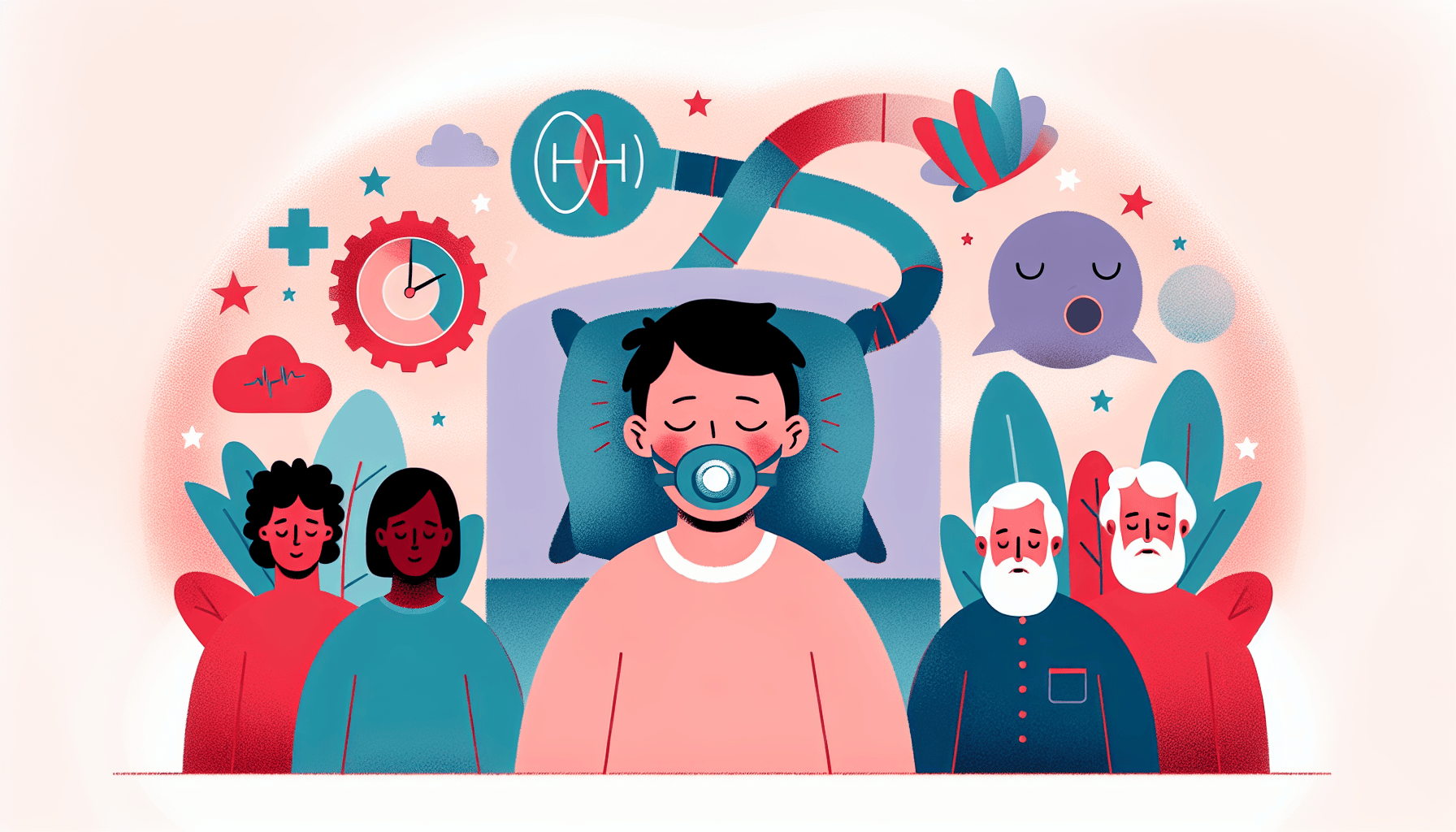
Several factors can increase a child's risk of developing sleep apnea, including:
Having enlarged tonsils and/or adenoids (lymph nodes in the throat behind the nose)
Being obese
Having a small jaw or midface, or a larger-than-usual tongue
Exposure to tobacco smoke
Having less muscle tone (such as in children with Down syndrome, cerebral palsy, and/or neuromuscular disorders)
Family history of sleep apnea
Treatment for childhood sleep apnea depends on the underlying cause and severity of the condition. In some cases, children may outgrow OSA as their throats get larger and airways stiffen. For those with enlarged tonsils and adenoids, surgery (adenotonsillectomy) may be recommended, which typically cures 80% to 90% of children, according to Dr. Dennis Rosen, associate medical director of the Center for Pediatric Sleep Disorders at Boston Children's Hospital.
If surgery is not successful or appropriate, other treatment options may include:
Continuous positive airway pressure (CPAP) therapy
Oral appliances to help keep the airway open during sleep
Weight management for children who are obese
Medications to help with daytime sleepiness or other symptoms
If you suspect your child has sleep apnea, consult a pediatric sleep specialist for an accurate diagnosis and appropriate treatment plan. With proper management, children with sleep apnea can experience improved sleep quality, daytime alertness, and overall health. For more information on childhood sleep apnea, visit the American Academy of Pediatrics website.
Early recognition and treatment of pediatric sleep apnea is critical since untreated cases can impair growth, learning, and behavior development. Surgical intervention offers the highest cure rate when enlarged tonsils and adenoids are the cause. If your child shows signs of sleep-disordered breathing, Doctronic can help you understand next steps and connect with appropriate specialists.
Check symptoms of childhood sleep apnea
Chat Now
Join 50,000+ readers using Doctronic to understand symptoms, medications,
and next steps.
Add your phone number below to get health updates and exclusive VIP offers.
By providing your phone number, you agree to receive SMS updates from Company. Message and data rates may apply. Reply “STOP” to opt-out anytime. Read our Privacy Policy and Terms of Service for more details.
Save your consults. Talk with licensed doctors and manage your health history.