COVID-19
New Treatments for Long COVID in 2026: Latest Medical Breakthroughs
May 17, 2026
7 min read

Medically reviewed by Lauren Okafor | MD, The Frank H Netter MD School of Medicine, Loyola University Medical Center on February 28th, 2026.
Published on February 27th, 2026. Updated on July 23rd, 2026.
Lower back pain affects 30-60% of elite athletes at least once during their careers
Combat sports athletes face the highest risk, with 50-70% experiencing back pain
Core stability training and proper warm-up protocols significantly reduce injury risk
Red flag symptoms like numbness or bladder changes require immediate medical attention
Graduated return-to-play protocols prevent re-injury and support long-term spinal health
Questions about back pain?
Free. Anonymous. Built by doctors.
Talk to our AI doctor for a clear, personalized read on your situation.
Athletes push their bodies to the limit, and the spine often pays the price. Lower back pain affects 30-60% of elite athletes at least once, making it one of the most common performance-limiting conditions in sports. The spine absorbs shock, transfers power, and stabilizes movement patterns across every athletic discipline. When back pain strikes, training stops, competition suffers, and careers can stall. Understanding how to prevent and treat back pain in athletes separates those who compete at their peak from those sidelined by chronic discomfort. Doctronic.ai helps athletes access medical guidance quickly, providing AI-powered assessments that can identify concerning symptoms before they become serious problems.
Most athletic back injuries don't happen in a single dramatic moment. They develop gradually through thousands of repeated movements that stress the same spinal structures. Runners absorb impact forces equal to two to three times their body weight with every stride. Swimmers rotate their lumbar spine hundreds of times per practice session. These microtraumas accumulate until tissues break down faster than they can repair.
Direct blows, falls, and collisions cause immediate spinal damage. Football tackles, hockey checks, and gymnastics landings can herniate discs, fracture vertebrae, or strain ligaments in an instant. These acute injuries often require imaging and extended recovery periods before safe return to competition.
Different sports stress the spine in unique ways. Combat sports athletes face the highest risk, with 50-70% experiencing back pain due to throwing, grappling, and absorbing strikes. Golfers and baseball players create tremendous rotational forces through the lumbar spine. Weightlifters compress vertebral discs under heavy loads. Understanding your sport's specific demands helps target prevention strategies effectively.
The transverse abdominis, multifidus, and pelvic floor muscles form an internal corset that protects the spine during movement. These deep stabilizers activate milliseconds before any arm or leg movement begins. Weak deep core muscles force superficial muscles to compensate, creating inefficient movement patterns and increased injury risk. Training these muscles requires specific exercises like dead bugs, bird dogs, and diaphragmatic breathing drills.
The glutes, hamstrings, and spinal erectors work together to extend the hip and protect the lower back. Athletes with weak glutes often hyperextend their lumbar spine to generate power, placing excessive stress on vertebral joints and discs. Hip thrusts, Romanian deadlifts, and glute bridges build the posterior chain strength needed for safe athletic performance.
Identifying movement dysfunctions before they cause injury saves athletes significant pain and lost training time. The Functional Movement Screen and similar assessments reveal asymmetries, mobility restrictions, and stability deficits. Athletes who address these issues through corrective exercise reduce their back pain risk substantially. Doctronic.ai can help athletes understand their movement screening results and recommend appropriate next steps.
Static stretching before exercise can temporarily reduce maximal power output but does not significantly increase overall injury risk when performed moderately. Dynamic warm-ups that progressively increase heart rate, body temperature, and range of motion prepare the spine for athletic demands far more effectively. Leg swings, hip circles, and torso rotations prime the neuromuscular system for performance.
Sleep deprivation impairs tissue repair and increases inflammation throughout the body, including spinal structures. Athletes need seven to nine hours of quality sleep for optimal recovery. Anti-inflammatory nutrition patterns featuring omega-3 fatty acids, colorful vegetables, and adequate protein support disc and ligament health. Chronic dehydration reduces disc height and shock-absorbing capacity.
 Diagnostic Approaches and Symptom Management
Identifying Red Flag Symptoms
Most back pain resolves with conservative treatment, but certain symptoms demand immediate medical attention. Numbness or weakness in the legs, loss of bladder or bowel control, fever with back pain, or pain following significant trauma all require urgent evaluation. Elite athletes face a higher risk of serious back injury due to extensive training and mechanical strain, making symptom awareness critical.
Not every back pain episode requires an MRI. Physical examination often provides sufficient diagnostic information to guide treatment. Imaging becomes necessary when symptoms persist beyond four to six weeks, red flags are present, or surgical intervention is being considered. Over-reliance on imaging can lead to unnecessary worry about findings that don't correlate with symptoms.
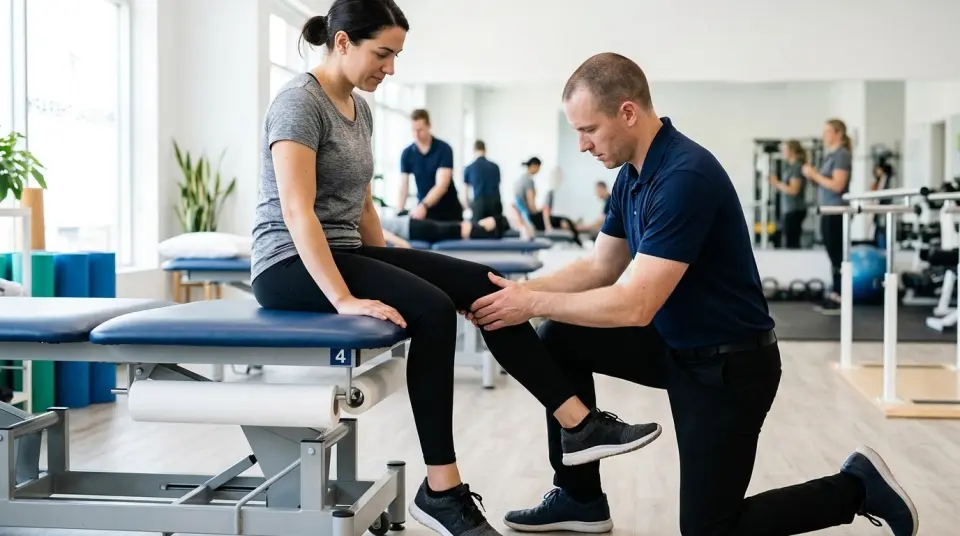
Physical therapy remains the gold standard for athletic back pain treatment. Skilled therapists identify movement dysfunctions, prescribe targeted exercises, and progress athletes through rehabilitation safely. Manual techniques combined with therapeutic exercise produce better outcomes than either approach alone.
Spinal manipulation and soft tissue mobilization can provide rapid pain relief for certain back conditions. These treatments work best when combined with active rehabilitation rather than used as standalone interventions. Athletes should seek providers experienced in sports-related conditions who emphasize patient education and self-management.
Over-the-counter anti-inflammatory medications help manage acute pain episodes but shouldn't become long-term solutions. Muscle relaxants may provide short-term relief for severe spasms. Athletes should discuss medication use with their healthcare providers, as some substances may be prohibited in competition or mask symptoms that require attention.
Returning too quickly almost guarantees re-injury. Effective return-to-play protocols progress through stages: pain-free daily activities, then low-intensity training, sport-specific drills, full practice participation, and finally competition. Each stage requires meeting specific criteria before advancement. Rushing this process extends total recovery time.
Athletes who fear re-injury often move differently, creating compensatory patterns that increase stress on healing tissues. Confidence in the body's recovery matters as much as physical healing. Visualization, gradual exposure to challenging movements, and working with sports psychologists help athletes overcome fear-avoidant behaviors that limit performance.
Most acute back pain episodes resolve within two to six weeks with appropriate treatment. Chronic pain lasting longer than three months requires a comprehensive evaluation and often indicates underlying issues needing targeted intervention.
Modified training that avoids painful movements often continues safely during recovery. Complete rest typically produces worse outcomes than active rehabilitation. Work with healthcare providers to identify safe training modifications.
Seek immediate evaluation for numbness, weakness, bladder changes, or pain after trauma. For persistent pain lasting more than two weeks without improvement, a professional assessment helps identify the cause and appropriate treatment.
Stretching alone provides limited protection. Comprehensive programs combining dynamic warm-ups, core stability training, and strength development offer far greater injury prevention benefits than stretching in isolation.
Back pain doesn't have to end athletic careers. With proper prevention strategies, early symptom recognition, and evidence-based treatment, athletes can protect their spines and maintain peak performance. For quick access to medical guidance about back pain or any health concern, Doctronic.ai offers low-cost AI-supported triage and telehealth consultations with licensed physicians available 24/7 across the U.S.
Explore treatment options
Chat Now