Diseases and Conditions
Omeprazole Side Effects Timeline: Week by Week Guide
May 17, 2026
5 min read

Medically reviewed by Oghenefejiro Okifo | MD, Harvard Medical School | Henry Ford Hospital - Detroit, MI on May 20th, 2026.
Published on March 25th, 2026. Updated on July 23rd, 2026.
Squamous cell carcinoma is the second most common skin cancer, with approximately 1.8 million cases diagnosed in the U.S. each year
Early warning signs include rough, scaly patches, open sores that won't heal, and raised growths with central depressions
UV exposure from sunlight and indoor tanning significantly increases SCC risk
When caught early, SCC has a cure rate exceeding 95%
Regular self-examinations and prompt medical attention for suspicious skin changes can save lives
Have a suspicious skin spot you want checked? Doctronic.ai offers free AI doctor visits to help assess concerning skin changes before scheduling a specialist appointment
Telehealth may not be appropriate for every medication or condition. Doctronic can help you understand your options and determine the appropriate next step.
A small, rough patch on your skin that won't go away might seem harmless. Many people ignore these spots for months, assuming they're just dry skin or minor irritations. This delay can be dangerous. Squamous cell carcinoma develops from the flat cells in the outer layer of the skin, and recognizing its early signs can make the difference between a simple outpatient procedure and a more serious medical situation. The good news is that this cancer responds extremely well to treatment when found early. Understanding what to look for, knowing your personal risk factors, and acting quickly when something seems wrong gives you the best chance at a positive outcome. This guide breaks down everything you need to spot SCC early and protect your long-term health.
Squamous cells are thin, flat cells found in the outer layer of skin called the epidermis. When these cells grow abnormally and out of control, they form squamous cell carcinoma. Unlike melanoma, which develops from pigment-producing cells, SCC originates from the skin's structural cells. The cancer typically grows slowly and stays localized, but left untreated, it can spread to nearby lymph nodes and other organs.
SCC ranks as the second most common form of skin cancer after basal cell carcinoma. Each year, approximately 1.8 million cases of squamous cell carcinoma are diagnosed in the United States alone. These numbers continue rising as the population ages and cumulative sun exposure takes its toll. Non-melanoma skin cancers now affect more Americans than all other cancers combined, making awareness and early detection essential public health priorities.
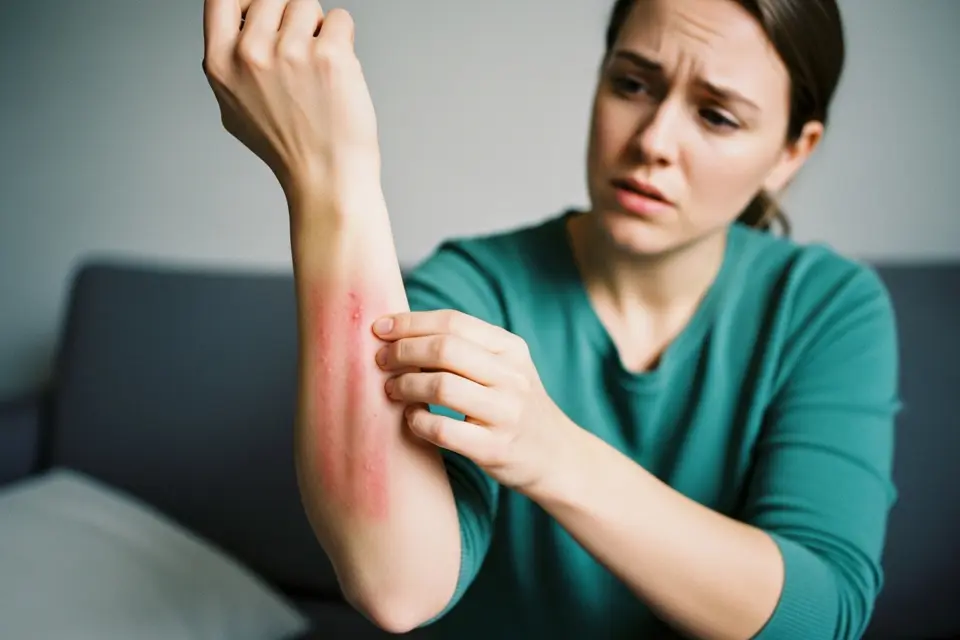
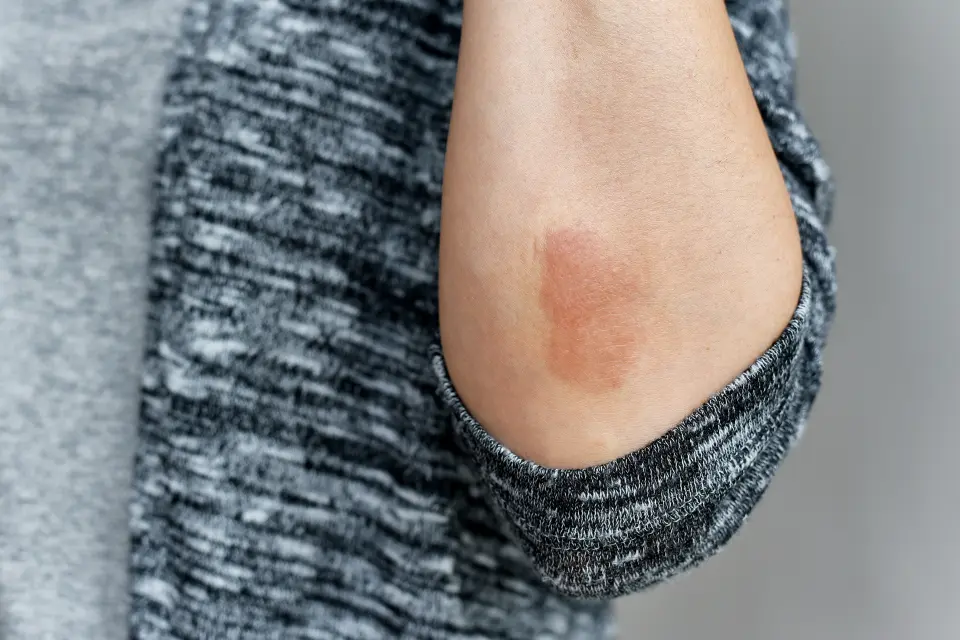
SCC presents in several distinct ways. The most common appearance is a firm, red nodule that feels rough or scaly to the touch. Some lesions look like flat patches with a crusty or scaly surface. Others appear as open sores that bleed, crust over, then reopen repeatedly over weeks or months. A wart-like growth that crusts and occasionally bleeds should also raise concern. The texture often feels sandpaper-like, and the borders may be irregular or poorly defined.
Sun-exposed areas carry the highest risk. The face, ears, neck, scalp, hands, and forearms have the highest incidence of SCC. The lower lip is particularly vulnerable, especially in people who spend significant time outdoors. That said, SCC can develop anywhere on the body, including areas that rarely see sunlight. People with suppressed immune systems sometimes develop SCC in unexpected locations, making full-body awareness important regardless of sun exposure patterns.
Pay attention to any skin spot that changes over time. A mole or patch that grows larger, changes color, or develops irregular borders warrants examination. Persistent itching, tenderness, or pain in a specific area can signal abnormal cell activity. Any sore lasting more than three weeks without healing needs professional evaluation. Doctronic.ai can help you assess whether your symptoms warrant an in-person dermatology visit.
Ultraviolet radiation from sunlight is the primary cause of SCC. Cumulative lifetime exposure matters most, meaning damage accumulates over decades. People who work outdoors, live in sunny climates, or have experienced multiple severe sunburns face an elevated risk. Indoor tanning poses equal or greater danger due to concentrated UV exposure. Research shows that more than 419,000 cases of skin cancer in the U.S. each year are linked to indoor tanning, including about 168,000 SCCs. Having ever used a tanning bed increases the risk of SCC by 67%.
Fair-skinned individuals with light hair and eyes face the highest risk of SCC. Skin that burns easily and rarely tans lacks the protective melanin that darker skin provides. Genetic conditions like xeroderma pigmentosum dramatically increase susceptibility. Family history of skin cancer also elevates personal risk, suggesting inherited factors in DNA repair mechanisms and skin cell behavior.
People taking immunosuppressive medications after organ transplants face SCC rates 65 to 250 times higher than the general population. HIV/AIDS, chronic lymphocytic leukemia, and other conditions affecting immune function also increase risk. Previous radiation therapy to any body area can trigger SCC development years later. A personal history of any skin cancer, including basal cell carcinoma, makes future SCC more likely.
Timing determines outcomes with SCC. When caught early, SCC has a cure rate of over 95%, making prompt attention to suspicious spots literally life-saving. Delays allow the cancer to grow deeper into the skin layers and potentially spread to the lymph nodes. Any new growth, non-healing sore, or changing spot deserves professional evaluation within two to four weeks of discovery.
Before your appointment, note when you first noticed the spot and any changes since then. Document whether it bleeds, itches, or causes pain. Know your personal and family history of skin cancer. Wear loose clothing that allows easy examination of the affected area. Ask a family member to photograph hard-to-see areas, such as your back and scalp, for reference.
Diagnosis requires a tissue sample. Dermatologists typically perform a shave biopsy, excisional biopsy, or punch biopsy depending on the lesion's characteristics. The procedure takes minutes under local anesthesia. A pathologist examines the sample under a microscope to confirm SCC and determine how deeply the cancer has grown. Results usually return within one to two weeks.
Most SCC cases require surgical removal. Mohs micrographic surgery offers the highest cure rate by removing cancer layer by layer while preserving healthy tissue. Standard excision works well for less complex cases. Non-surgical options include cryotherapy, topical chemotherapy creams, radiation therapy, and photodynamic therapy. Treatment choice depends on tumor size, location, depth, and patient health factors. Doctronic.ai can help explain treatment options and prepare questions for your specialist consultation.
Daily sun protection remains the most effective prevention strategy. Apply broad-spectrum SPF 30 or higher sunscreen to all exposed skin, reapplying every two hours during outdoor activities. Wear protective clothing, wide-brimmed hats, and UV-blocking sunglasses. Seek shade during peak sun hours between 10 AM and 4 PM. Avoid indoor tanning entirely. Perform monthly self-examinations using mirrors to check your entire body. Schedule annual professional skin checks, especially if you have risk factors. Maintain adequate vitamin D through diet or supplements rather than sun exposure.
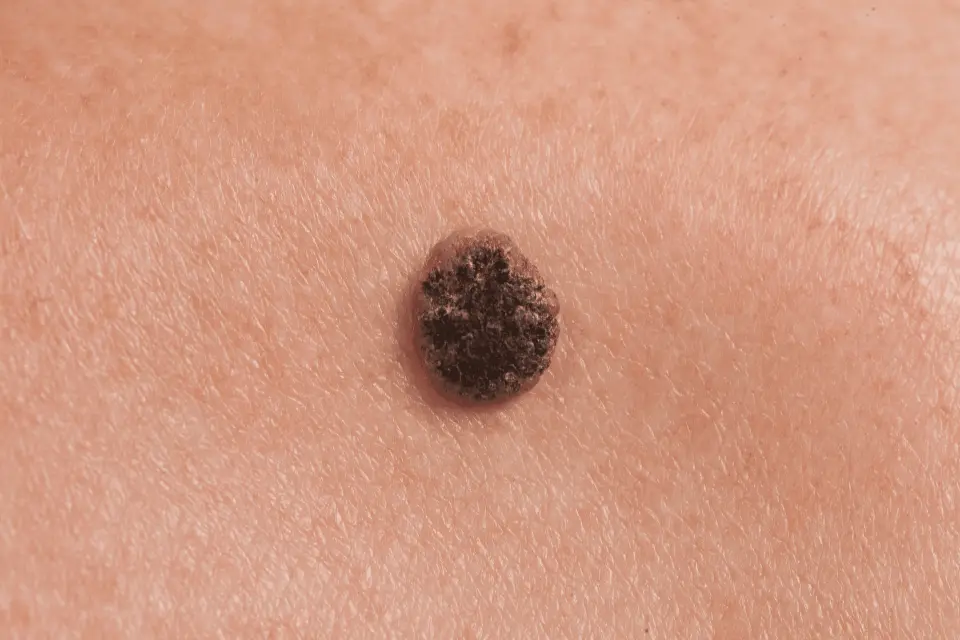
SCC typically grows slowly over months to years. Some aggressive variants can grow rapidly over weeks. Growth rate depends on location, immune status, and tumor characteristics. Any rapidly changing lesion requires urgent evaluation.
Yes, when detected early and treated appropriately. The cure rate exceeds 95% for localized SCC caught in early stages. Even advanced cases often respond well to treatment, though outcomes depend on spread extent.
Genetic factors influence SCC risk, particularly genes controlling skin pigmentation and DNA repair. Having a first-degree relative with skin cancer increases your risk. Regular screening becomes especially important with family history.
Untreated SCC continues growing, eventually invading deeper tissues, nerves, and potentially spreading to lymph nodes and distant organs. Advanced SCC becomes harder to treat and can be life-threatening. Early treatment prevents these complications.
Squamous cell carcinoma is highly treatable when caught early, making awareness of warning signs and risk factors essential for everyone. Regular self-examinations, sun protection, and prompt medical attention for suspicious skin changes offer the best protection against serious outcomes. For quick answers about concerning skin spots or help deciding whether to see a dermatologist, visit Doctronic.ai for a free AI doctor consultation available 24/7.
Explore treatment options
Chat Now
Join 50,000+ readers using Doctronic to understand symptoms, medications,
and next steps.
Add your phone number below to get health updates and exclusive VIP offers.
By providing your phone number, you agree to receive SMS updates from Company. Message and data rates may apply. Reply “STOP” to opt-out anytime. Read our Privacy Policy and Terms of Service for more details.
Save your consults. Talk with licensed doctors and manage your health history.